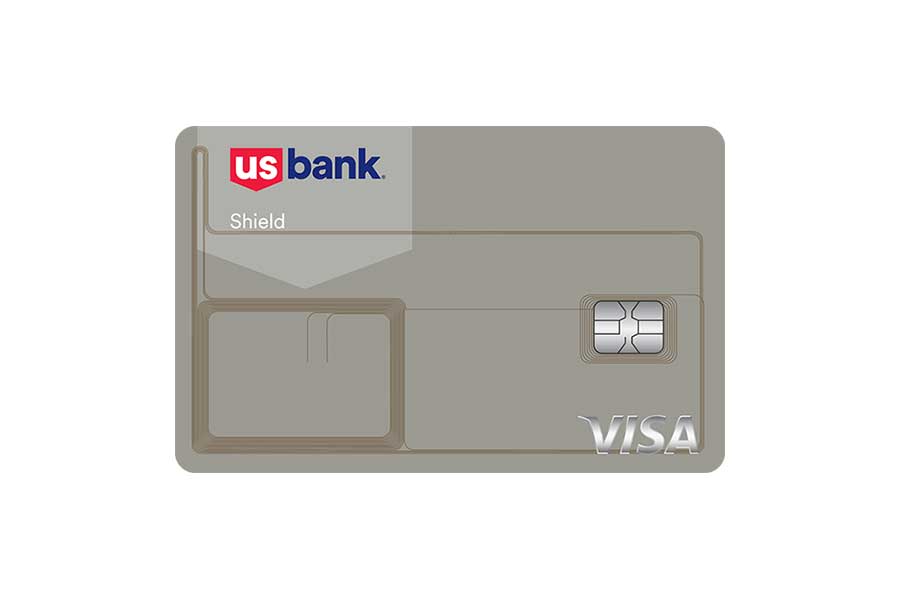
The U.S. Bank Shield® Visa® Card is designed for people who want extra time to pay off a large purchase or transferred balance. Its long introductory annual percentage rate period can reduce interest costs, but the card generally targets applicants with established credit histories.
U.S. Bank reviews more than the number attached to your credit score. Your payment history, debt levels, income, recent applications, and current credit card balances can all affect the decision.
What Credit Score Do You Need for the U.S. Bank Shield Card?
U.S. Bank states that its credit cards generally target customers with credit scores in the good to excellent range. The bank doesn’t publish an exact minimum credit score for the Shield Card.
A credit score of at least 670 is a reasonable starting point, though applicants with credit scores above 700 may have stronger approval odds.
| Credit Score Range | Estimated Approval Outlook |
|---|---|
| 740 or higher | Strong, subject to the full application |
| 700 to 739 | Competitive |
| 670 to 699 | Possible with a solid financial profile |
| 640 to 669 | Approval may be difficult |
| Below 640 | A secured credit card may be more realistic |
These ranges are estimates rather than official U.S. Bank requirements. No specific credit score guarantees approval.
An applicant with a 690 credit score, low credit card balances, and no recent late payments may present less risk than someone with a 730 credit score. That person has high debt and several recent applications.
Is a 700 Credit Score Enough for the U.S. Bank Shield Card?
A credit score of 700 may be enough to qualify for the U.S. Bank Shield Card, but the rest of your application still matters.
U.S. Bank may look more closely at recent late payments, high balances, short credit history, or several newly opened accounts. A credit score above 700 can’t offset every weakness on a credit report.
Applicants near 700 may improve their position when they have:
- Low credit utilization: Credit card balances use only a small portion of total credit limits.
- Clean recent history: Credit reports show no recent late payments or collection accounts.
- Stable income: Reported income supports existing obligations and a possible new payment.
- Limited new credit: The applicant has few recent hard inquiries or newly opened accounts.
- Established accounts: Older accounts show a longer record of responsible credit use.
The credit score shown by a bank or credit monitoring app may not match the credit score U.S. Bank checks. Different credit scoring models and credit bureau data can produce different results.
Not sure where to start with your credit?
Answer a few simple questions and get a free step-by-step plan to rebuild your credit.
What Else Does U.S. Bank Consider for Approval?
U.S. Bank may evaluate several parts of your financial profile before it approves or denies the application.
- Income: U.S. Bank needs to determine whether you can manage another credit account.
- Existing debt: Large monthly obligations can leave less room for a new payment.
- Payment history: Late payments, charge-offs, and collection accounts can reduce approval odds.
- Credit utilization: High credit card balances may signal greater lending risk.
- Recent inquiries: Several applications within a short period can weaken your profile.
- Credit history length: Older accounts provide more information about how you manage credit.
- Current U.S. Bank relationship: Existing accounts may give the bank more information, but they do not guarantee approval.
The amount of credit already extended to you may also affect the result. U.S. Bank can approve the application with a lower credit limit than you expected.
How to Check Your Approval Odds Before Applying
U.S. Bank lets consumers check for preapproved Shield Card offers without affecting their credit scores. A preapproval offer doesn’t guarantee final approval, but it can help you assess your chances before a formal application.
Follow these steps before you apply:
- Check for a preapproved U.S. Bank Shield Card offer.
- Review your Equifax, Experian, and TransUnion credit reports.
- Check the balances shown on your open credit cards.
- Confirm that your income information is accurate.
- Review recent hard inquiries and newly opened accounts.
A formal application may result in a hard inquiry. Apply only after you have reviewed the current card terms and your complete credit profile.
How to Improve Your U.S. Bank Shield Approval Odds
You may not need a large credit score increase to strengthen your application. A few targeted changes can address common concerns.
- Pay down credit card balances: Lower balances can reduce your credit ratio and monthly obligations.
- Pay before the statement closes: An early payment may lower the balance sent to the credit bureaus.
- Make every payment on time: A new late payment can cause significant damage before you apply.
- Correct credit report errors: Dispute accounts, balances, or payment records that are inaccurate.
- Pause other applications: Several hard inquiries can reduce your approval chances.
- Keep older accounts open: Older accounts can support credit history length and total available credit.
- Report eligible income accurately: Include income that the application permits you to report and that you can reasonably access.
The common 30% credit utilization guideline isn’t an ideal target. Lower credit usage is generally better. Balances below 10% of your total credit limits may support a stronger application.
Credit bureau disputes should address information that is inaccurate, incomplete, or not yours. Accurate negative information can’t usually be removed simply because it hurts your credit score.
What Are the Current U.S. Bank Shield Card Benefits?
The U.S. Bank Shield Card currently offers a low introductory annual percentage rate on purchases and balance transfers for 21 billing cycles. Balance transfers must be completed within 60 days of account opening, and a 5% transfer fee applies, with a $5 minimum.
The card also includes:
- No annual fee: You can keep the card without a yearly ownership cost.
- Travel rewards: The card earns 4% cash back on eligible prepaid air, hotel, and car reservations booked through the U.S. Bank Travel Center.
- Annual statement credit: Cardholders can receive a $20 statement credit after 11 consecutive months of purchases.
- Cell phone protection: The card may reimburse up to $600 for eligible theft or damage when you pay your monthly cellular bill with the card.
- Free credit score access: U.S. Bank customers can view an educational TransUnion VantageScore credit score through online banking or the mobile app.
These benefits and promotional terms can change. Review the application page before you submit your information.
How to Use the 0% Introductory APR Period
A 0% introductory annual percentage rate can save money, but you still need a payoff plan.
Divide your planned balance by the number of billing cycles in the promotional period. A $6,000 balance paid across 21 billing cycles would require payments of about $286 per month.
Any balance left after the introductory period can begin collecting interest at the regular variable annual percentage rate. U.S. Bank explains that interest begins after the promotional period ends.
Balance transfers also carry an upfront cost. A 5% fee on a $6,000 transfer would equal $300. Compare that charge with the interest you expect to save before you move the debt.
You can’t transfer a balance from another U.S. Bank account to the Shield Card.
What to Do if U.S. Bank Denies Your Application
U.S. Bank should send an adverse action notice after a denial. The notice should state the main reasons for the decision and identify the credit bureau that supplied the credit report.
Review the listed reasons before you apply again. Common issues may include high balances, limited credit history, recent late payments, excessive inquiries, or debt levels that appear high compared with income.
Check the named credit report for inaccurate information. Submit a dispute directly to the credit bureau when you find a confirmed error.
Avoid another immediate application. The same unresolved issues may produce another denial and another hard inquiry.
Ready to take action on your credit?
Get your personalized plan in 30 seconds. Free, no credit check.
Is the U.S. Bank Shield Card Worth Applying For?
The U.S. Bank Shield Card can make sense when you need time to pay down a large purchase or transferred balance. Its long introductory annual percentage rate period and lack of an annual fee create a clear use case.
The card is less attractive as an everyday rewards card. Most purchases don’t earn standard cash back, and the balance transfer fee reduces some of the potential interest savings.
Aim for a credit score of at least 670 before you apply. A credit score above 700 may provide better approval odds, but income, existing debt, payment history, credit usage, and recent applications remain important.
The U.S. Bank Visa Platinum Card is no longer open to new applicants. The Shield Card is the current U.S. Bank option for consumers who want a long introductory annual percentage rate period.