If you’re buying silver to hold for years instead of flipping it next month, the type of silver you buy matters more than most people think. Two ounces can carry the same metal content but behave very differently when it’s time to sell.
This guide is written for people who already want silver and now want to choose the right coins to hold long term. That means coins dealers recognize, buyers trust, and markets absorb without friction. It avoids hype and short-term price chatter.
The method is straightforward. We look at liquidity, recognition, premiums, and resale behavior over time. From there, we narrow the list to silver coins that tend to stay easy to sell instead of becoming a problem later.
The Goal of Long-Term Silver Holding
Long-term silver holding is not about squeezing profit out of short price moves. It’s about keeping purchasing power and knowing you can exit cleanly when you decide to sell.
Many mistakes happen when people buy silver without defining their goal. A trader focuses on timing and volatility. A long-term holder focuses on trust, market depth, and how fast a buyer shows up.
Wealth Preservation vs. Short-Term Trading
People holding silver long term usually care more about reliability than perfect pricing. Coins that trade every day at thousands of dealers behave more predictably than obscure products, even when markets get tight. Paying slightly more upfront often reduces friction later.
Physical Silver vs. Paper Exposure
This article focuses only on physical silver you can hold directly. Products that track silver prices behave differently because they depend on counterparties, rules, and access. Long-term holders often prefer physical silver because resale does not depend on account access or issuer stability.
What Makes a Silver Coin Ideal for Long-Term Holding
Not all silver coins behave the same once you move beyond the purchase. Long-term holders care less about novelty and more about how easily a coin can be sold years later.
A strong long-term silver coin usually shares a few traits. These traits reduce friction at resale and keep pricing closer to spot when it matters.
Government Minted vs. Private Minted Coins
Government-minted coins tend to trade more smoothly than privately minted products. Dealers recognize them instantly, pricing is consistent, and buyer demand stays steady even when conditions tighten. Private mint products can still sell, but pricing depends more on the dealer and the brand.
Purity and Weight Standards
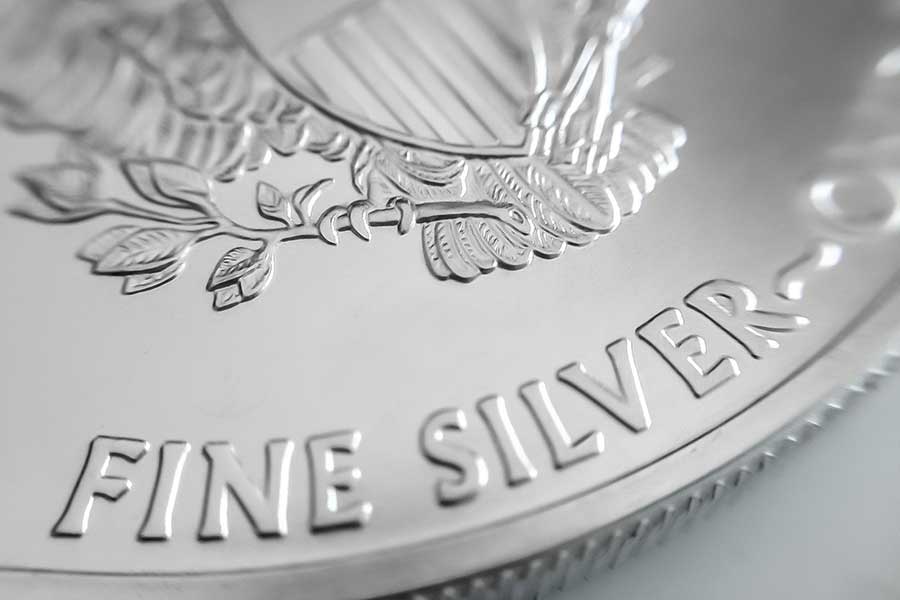
Most long-term holders stick with coins made from .999 fine silver in standard weights. One troy ounce coins remain the easiest to price and sell because buyers already know what they are getting. Nonstandard weights often slow down resale.
Liquidity and Market Recognition
Liquidity matters more than the design or the story behind a coin. Coins that trade daily across many dealers tend to hold tighter spreads between buy and sell prices. Recognition reduces questions, delays, and price adjustments.
Premiums Today vs. Resale Behavior Later
Paying a higher premium does not always mean better long-term results. Some premiums stay strong because demand stays strong. Others fade quickly. Long-term holders usually focus on coins with a history of steady resale demand rather than chasing the lowest price.
5 Best Silver Coins for Long-Term Holding
The coins below show up again and again in dealer inventories and buyback lists. They are widely recognized, easy to price, and supported by deep secondary markets.
These are not rare or exotic choices. That is exactly why they work well for long-term holding.
1. American Silver Eagle
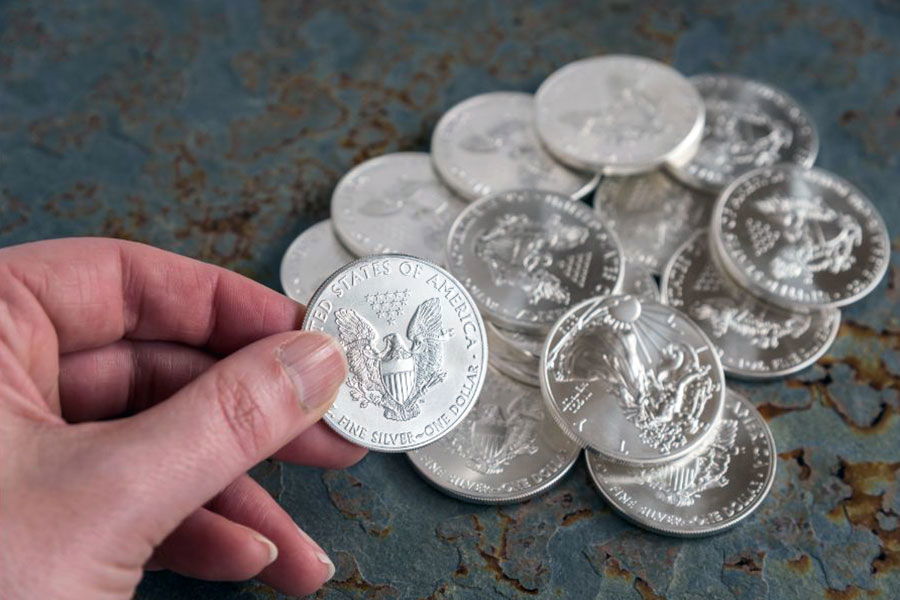
The American Silver Eagle remains one of the most recognized silver coins in the United States. Dealers buy them quickly, and pricing is transparent across most markets. Premiums tend to run higher than other coins, but resale demand often offsets that cost. For U.S.-based holders who expect to sell domestically, liquidity is the main advantage.
2. Canadian Silver Maple Leaf
The Canadian Silver Maple Leaf offers .9999 fine silver and strong global recognition. Security features added in recent years have increased dealer confidence and buyer trust. Premiums are often lower than American Silver Eagles, making them appealing to cost-conscious long-term holders who still want a government-minted coin.
3. Austrian Silver Philharmonic
The Austrian Silver Philharmonic is widely traded across Europe and accepted by dealers worldwide. It carries a consistent one troy ounce weight and clear purity markings. For holders who value international resale flexibility, this coin often earns a spot alongside North American options.
4. British Silver Britannia
The British Silver Britannia has gained popularity due to updated security features and consistent production standards. Modern issues tend to trade more smoothly than older versions. Demand has grown outside the United Kingdom, making it a reasonable option for long-term holders seeking diversification within government coins.
5. Australian Silver Kangaroo
The Australian Silver Kangaroo is known for low premiums relative to other government coins. It carries .9999 fine silver and strong dealer acceptance. This coin often appeals to buyers who want government backing without paying top-tier premiums.
See also: 5 Best Ways to Buy Silver in 2026
Junk Silver Coins (Constitutional Silver)
Junk silver occupies a different role than modern bullion coins. It trades based on silver content rather than collector appeal, and pricing usually references face value instead of weight. For many long-term holders, it serves as a practical complement to one-ounce coins.
What Junk Silver Is (And Is Not)
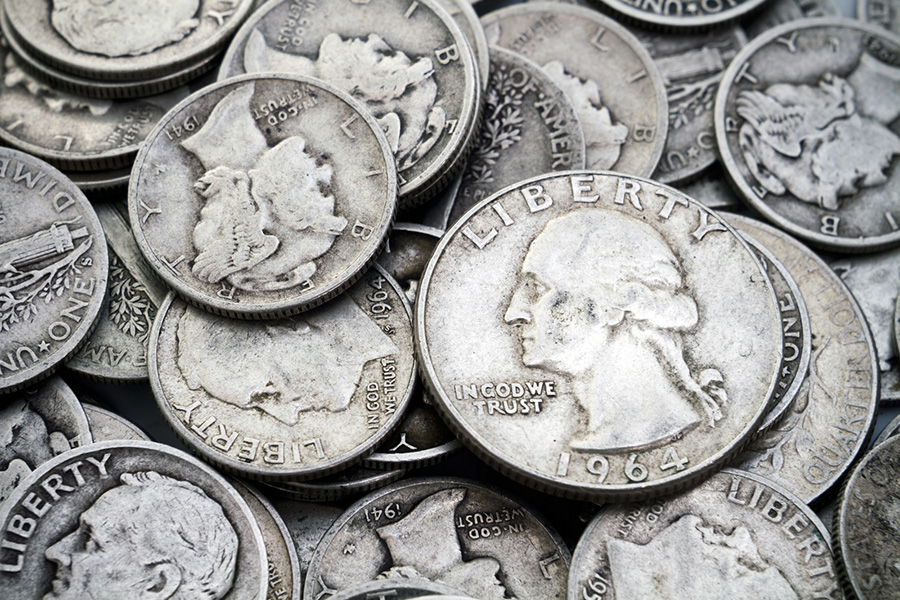
Junk silver refers to U.S. dimes, quarters, and half dollars minted before 1965. These coins contain 90 percent silver and no numismatic focus in typical circulated condition.
The term “junk” does not reflect quality. It simply means the coins carry no collectible premium and trade for their silver content.
Why Long-Term Holders Like Junk Silver
Junk silver offers flexibility that modern bullion coins do not. Smaller denominations make it easier to sell or trade partial amounts without cutting bars or paying extra fabrication costs.
Dealers across the United States are familiar with these coins, which keeps resale straightforward and fast.
Downsides to Be Aware Of
Junk silver contains less silver per coin than .999 bullion, which increases storage volume. It also weighs more per ounce of silver. Outside the United States, demand drops because buyers are less familiar with U.S. constitutional coinage.
Who Junk Silver Makes Sense For
Junk silver often fits holders focused on domestic resale and flexibility. It also appeals to buyers who want fractional silver without paying high premiums.
Silver Rounds for Long-Term Holding
Silver rounds sit between government coins and bars in terms of trust and pricing. They offer straightforward silver exposure without the legal tender status of coins issued by national mints.
For long-term holders, rounds usually play a supporting role. They can lower average cost while still remaining easy to sell when chosen carefully.
What Silver Rounds Are
Silver rounds are privately minted silver products with no face value. Most are struck in one troy ounce weights and contain .999 fine silver.
Unlike bars, rounds resemble coins in shape and size. That familiarity helps with resale, especially when the mint is well known.
Common Silver Rounds Long-Term Holders Choose
Not all rounds trade equally. Certain designs and mints show up repeatedly on dealer buy lists and tend to resell with less friction.
- Buffalo Rounds: Modeled after the classic Buffalo nickel design, these are among the most recognized private-mint rounds in the United States. Many dealers treat them as generic bullion, which keeps pricing simple and resale fast.
- Scottsdale Mint Rounds: Known for consistent quality and clean strikes, Scottsdale rounds often carry slightly higher premiums than generic rounds but maintain strong dealer demand.
- Sunshine Mint Rounds: These rounds are widely accepted by dealers and include security features on some issues. Recognition remains strong across U.S. bullion markets.
Pros of Silver Rounds
Silver rounds appeal to buyers who want silver weight without paying top-tier premiums. When sourced from known mints, resale tends to remain smooth.
- Lower premiums: Compared to government-issued coins, rounds usually cost less per ounce.
- Simple silver exposure: Weight and purity are clearly marked and easy to verify.
- Efficient stacking: Uniform size makes storage straightforward.
Cons of Silver Rounds
Rounds do not carry government backing, which affects buyer behavior in certain market conditions. Demand also depends more heavily on the mint and design.
Dealer pricing can vary more than with sovereign coins. In stressed markets, buyers often gravitate first toward national mint products.
When Silver Rounds Make Sense
Rounds tend to fit buyers focused on lowering average cost rather than maximizing recognition. They also work well for holders who plan to sell directly to established bullion dealers.
For many long-term holders, rounds make sense as a secondary holding rather than the foundation of a silver position.
Coins and Silver Products to Be Careful With
Some silver products look attractive at purchase but create friction later. Long-term holders usually avoid items that depend on collector interest or niche demand. These products may still sell, but pricing and timing become less predictable.
- High-Premium Collectible Coins: Coins priced mainly for rarity or design rely on collector demand. That demand can disappear quickly during broader market stress, which weakens resale outcomes.
- Obscure Private Mint Products: Unknown brands often trade at deeper discounts when selling. Even with correct weight and purity, dealer interest varies widely.
- Poorly Stored or Damaged Silver: Condition affects trust. Coins with heavy wear, corrosion, or damage often sell below typical dealer pricing, even when silver prices rise.
Building a Practical Long-Term Silver Mix
Once you know the strengths and limits of each silver type, the next step is deciding how to combine them. A mix helps balance recognition, flexibility, and cost without adding complexity.
Long-term holders usually keep things simple. Too many product types make storage, tracking, and resale harder than necessary.
A Simple Allocation Approach
Most long-term silver holders center their stack around coins that sell quickly and price consistently. Other silver types play supporting roles rather than leading ones.
- Core holdings: Government-minted one-ounce coins with strong dealer demand
- Flexibility layer: Junk silver for smaller resale amounts and domestic use
- Cost control: Well-known silver rounds to lower average cost per ounce
Matching the Mix to Likely Buyers
The right mix depends on where and how you expect to sell. U.S.-based sellers often lean heavier on American Silver Eagles and junk silver. Those expecting international resale may favor globally recognized coins like Maple Leafs or Philharmonics.
The key is choosing silver that your future buyer already wants, not silver that requires explanation.
Storage Choices That Protect Long-Term Value
Storage affects resale more than many people expect. Poor storage can turn otherwise desirable silver into a harder sell.
Long-term holders focus on condition, accessibility, and security rather than complicated setups.
Home Storage vs. Third-Party Storage
Home storage offers direct access and no ongoing fees. It also places full responsibility on the owner for security and condition.
Third-party storage reduces personal risk but adds counterparty exposure and recurring costs. Some long-term holders avoid it for the same reasons they prefer physical silver in the first place.
Keeping Silver in Sellable Condition
Condition matters even for bullion. Coins with heavy scratches, corrosion, or residue often sell at discounts.
Using proper tubes, capsules, or sealed containers helps preserve appearance and trust. Minimal handling also reduces wear over time.
Buying Strategy for Long-Term Holders
Timing the market perfectly matters less than buying consistently and choosing the right products. Long-term holders focus on discipline rather than prediction. The goal is steady accumulation without chasing headlines.
Lump Sum Buying vs. Periodic Buying
Lump sum buying works best when you already hold cash and want immediate exposure. Periodic buying spreads purchases over time and reduces stress tied to price swings. Both approaches work. Consistency usually matters more than the method.
Watching Premiums Instead of Headlines
Spot price moves attract attention, but premiums often tell a clearer story. When premiums spike, supply tightens. When premiums fall, availability improves. Long-term holders often wait for calmer periods to add, even if spot prices remain elevated.
Final Thoughts
Long-term silver holding works best when the focus stays on simplicity and resale clarity. The silver that feels exciting to buy is not always the silver that sells easily years later.
Coins with strong recognition, steady demand, and clear pricing history tend to create fewer problems. Junk silver and rounds can support that core when used with purpose instead of impulse.
If your silver is easy to explain, easy to price, and easy to sell, you are already ahead of most buyers.