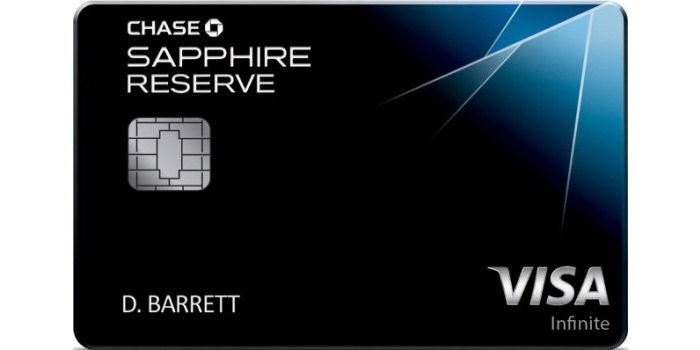
The Chase Sapphire Preferred sits at the center of Chase’s travel card lineup for a reason. It earns transferable Ultimate Rewards points and comes with a substantial welcome bonus. It carries a $95 annual fee that most active cardholders recoup quickly through the card’s travel protections and point redemption value.
For applicants building a serious travel rewards strategy, it’s often the first card worth acquiring before moving toward the more premium Sapphire Reserve.

Chase holds applicants to a firm standard for this card, and there’s one rule that disqualifies more people than any credit score issue does. Here’s what you’ll need, what Chase evaluates, and how to position yourself before you apply.
Recommended Credit Score for the Chase Sapphire Preferred
Most approved applicants carry a credit score of 720 or higher, with successful applicants clustering toward 740 and above. The original article’s 700 floor is technically possible but describes the minimum more than the typical approval. A credit score of 700 with an otherwise strong profile can get through, but 720 is the more reliable benchmark to target before submitting an application.
The Sapphire Preferred is a premium travel card with a meaningful annual fee and significant welcome bonus. Chase evaluates applicants accordingly, and the credit score expectation reflects that positioning.
The 5/24 Rule Comes Before Everything Else
Before Chase reviews your credit score, income, or payment history, they check your 5/24 status. If you’ve opened five or more credit cards from any issuer in the past 24 months, Chase will deny your application automatically. This rule applies to the Sapphire Preferred without exception and without reconsideration.
Pull your credit report and count every new credit card account opened in the last two years before you apply. Store cards, secured cards, and authorized user accounts can all contribute to the count depending on how they’re reported. If you’re at five or above, no amount of credit score preparation changes the outcome until enough accounts age past that window.
The 5/24 rule also interacts with Chase’s one-Sapphire-at-a-time policy. You can only hold one Sapphire card, either the Preferred or the Reserve, at any given time. And the 48-month bonus rule means you can only earn the Sapphire Preferred welcome bonus once every 48 months. Plan your application timing around all three of these rules simultaneously.
What Else Does Chase Look At?
With 5/24 cleared and a qualifying credit score, these factors shape the final decision:
- Income: Chase wants confirmation that your income supports the credit line and the spending required to earn the welcome bonus. Including all legitimate income sources, not just salary, strengthens the application.
- Existing Chase relationship: Applicants who already hold Chase accounts in good standing benefit from that established history. Chase has direct visibility into how those accounts have been managed, which adds credibility that external credit report data alone can’t replicate.
- Recent payment history: A late payment in the past twelve months raises concerns at this card tier. Chase expects a clean recent record from Sapphire applicants.
- Total credit utilization: High balances relative to your available credit limits across all accounts suggest financial strain. Keeping total usage below 30% strengthens any Chase application.
- Existing credit history length: Chase favors applicants with established credit histories. Thin profiles with short track records present more uncertainty even when the credit score is in range.
What the Chase Sapphire Preferred Actually Delivers
The card earns 3x points on dining and 2x on all other travel purchases, with 1x on everything else. Points are worth 25% more when redeemed for travel through Chase’s portal compared to cash redemptions, bringing the effective value to 1.25 cents per point on that path. The more compelling redemption option is transferring points to Chase’s airline and hotel partners at a 1:1 ratio, where the value per point can exceed 2 cents depending on how you redeem.
The welcome bonus is the card’s most immediate value driver. The spending threshold to earn it is set at a level most applicants can reach through normal spending within the three-month window. Travel protections include trip cancellation insurance, primary auto rental coverage, and baggage delay insurance, which add real value for frequent travelers beyond the points earning.
Using the Sapphire Preferred as Part of a Larger Chase Strategy
The Sapphire Preferred becomes more powerful when paired with no-annual-fee Chase cards. Points earned on the Chase Freedom Unlimited and Chase Freedom Flex can be transferred to a Sapphire account and redeemed at the higher travel value or transferred to airline and hotel partners. That combination, often called the Chase trifecta, maximizes the earning potential of everyday spending without the annual fees of holding multiple premium cards.
Building toward that strategy means planning your Chase applications carefully within the 5/24 limit. Acquiring the no-annual-fee cards first and then adding the Sapphire Preferred once your profile is strong enough is a more efficient path than reaching for the Sapphire immediately.
The Reconsideration Line
If Chase denies your application and you believe the decision was borderline, calling Chase’s reconsideration line at 1-888-270-2127 gives you a chance to speak with an analyst who can manually review the decision. This works best when you have a specific, addressable explanation for the weak spot in your profile.
A temporarily high credit usage ratio that has since dropped, or a recently paid-off debt that didn’t appear on your report at the time of application, are situations where reconsideration can help. These are the kinds of circumstances that can change the outcome.
Reconsideration won’t help if the denial stems from 5/24 or a genuinely thin credit profile. But for borderline credit score or income situations, it’s worth the call before accepting the denial as final.
How to Strengthen Your Application Before Applying
These steps address the factors Chase weighs most heavily:
- Check your 5/24 count before anything else: Count every new credit card account from the past 24 months across all issuers. This is the only factor that eliminates a Chase application before anything else is reviewed.
- Get your credit score to 720 before applying: Paying down revolving balances is the fastest reliable path. Focus on accounts closest to their limits first for the largest credit score improvement in the shortest time.
- Build your Chase relationship first: If you don’t hold any Chase accounts, starting with a no-annual-fee Chase card establishes a direct relationship that supports a future Sapphire application.
- Protect your recent payment record: Six to twelve months of on-time payments across all accounts sends a strong signal to Chase regardless of what your credit report shows before that window.
- Dispute errors on all three credit reports: Pull your credit reports from Equifax, Experian, and TransUnion separately and flag inaccurate items with each bureau directly.
Ready to take action on your credit?
Get your personalized plan in 30 seconds. Free, no credit check.

Bottom Line
The Chase Sapphire Preferred is within reach for applicants with a credit score around 720 or higher and a clear 5/24 count. It’s the strongest entry point into Chase’s travel rewards ecosystem and the foundation of one of the most effective multi-card strategies available from any single issuer.
Clear your 5/24 count, build your Chase relationship if you don’t already have one, and apply when your credit score and recent payment history are both in strong shape. The welcome bonus alone typically covers several years of the annual fee for applicants who use the travel protections and point transfers effectively.