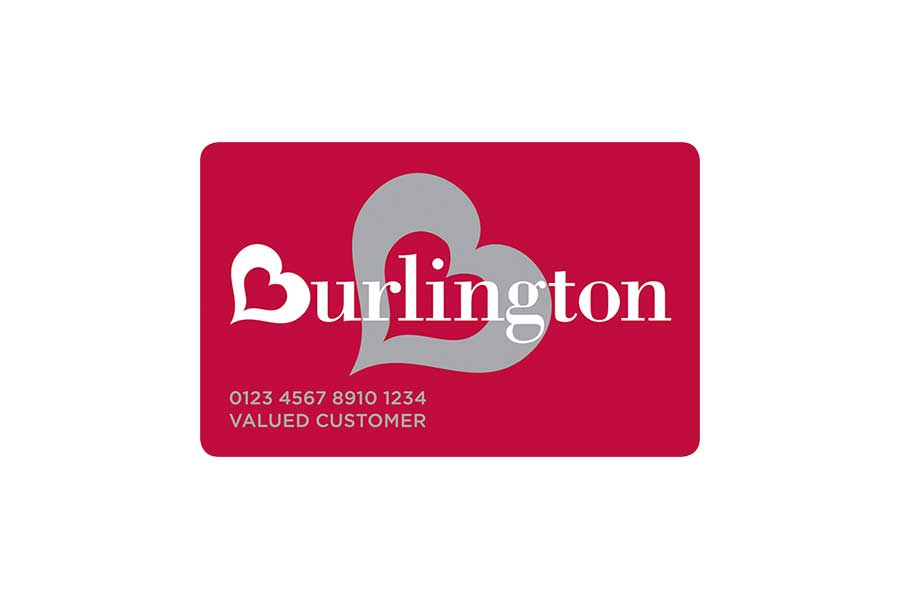
Burlington is a discount retailer known for off-price clothing, home goods, and accessories. The Burlington credit card, issued by Comenity Bank, gives frequent shoppers a way to earn rewards and access exclusive cardholder promotions. If Burlington is already a regular stop in your shopping routine, the card can add value without an annual fee eating into those savings.
Unlike some of the other Comenity retail cards, the Burlington card has a few characteristics worth knowing before you apply. Here’s what credit score you’ll need, what Comenity evaluates, and what makes this application different from a standard retail card.
Credit Score Requirements for a Burlington Credit Card
Most approved applicants have a credit score of at least 630, placing the card in the fair credit tier. That’s consistent with Comenity Bank’s positioning across most of its retail card portfolio, but the Burlington card sits at the lower end of their typical approval range.
One thing that sets Burlington applications apart slightly is that Comenity tends to weight recent account behavior more heavily for discount retail cards than for furniture or appliance financing cards. An applicant with a 640 credit score and a spotless twelve-month payment record often fares better than one with a 660 credit score and a recent late payment. The recency of your financial behavior matters more here than the headline number.
What Else Does Comenity Bank Look At?
Beyond your credit score, these factors shape the approval decision for the Burlington card:
- Spending pattern relative to income: Comenity looks at whether your income comfortably supports your existing debt obligations and leaves room for a new account. A tight budget with multiple open credit lines raises more concern than a moderate income with few obligations.
- Account age mix: A credit profile made up entirely of recently opened accounts carries more risk than one with a mix of older and newer accounts. Comenity looks more favorably on applicants whose oldest account has been open for at least two to three years.
- Derogatory mark recency: The age of negative items on your credit report matters significantly at this credit tier. A bankruptcy from five years ago carries far less weight than a collection account opened six months ago.
- Prior Comenity relationship: Comenity maintains internal records separate from the three major credit bureaus. A previous Comenity account in good standing works in your favor, while a prior denial or negative account can affect this application even if your credit report has improved.
What Do You Get with the Burlington Credit Card?
The card earns rewards on Burlington purchases and provides access to exclusive cardholder promotions and special savings events throughout the year. There’s no annual fee, and the rewards structure is designed around Burlington’s discount retail model, where the savings stack on top of the already reduced prices in the store.
Because the card works exclusively at Burlington locations and their website, it functions as a dedicated loyalty tool rather than an everyday spending card. That closed-loop limitation is also what keeps the approval threshold accessible for fair credit applicants. Comenity carries less exposure on a card that can only be used at one retailer.
A Note on Burlington’s Discount Retail Model
Burlington operates differently from traditional department stores. Inventory changes constantly, prices are already marked down significantly, and there’s no layaway or financing on merchandise the way you’d find at a furniture or appliance retailer. This means the Burlington card’s value proposition is built almost entirely around rewards accumulation and cardholder-exclusive promotions rather than deferred interest financing.
That distinction matters when you’re deciding whether the card fits your shopping habits. If you visit Burlington sporadically, the rewards won’t accumulate fast enough to be meaningful. If you shop there consistently across multiple seasons, the cardholder promotions and rewards certificates can translate into genuine savings over the course of a year.
How to Improve Your Odds Before Applying
Given that Comenity weights recent behavior heavily for this card, these steps are particularly effective in the two to three months before you apply:
- Prioritize on-time payments above everything else: A single missed payment in the three to six months before applying can outweigh a credit score improvement of 20 to 30 points. Set up autopay across every account before you submit an application.
- Pay down your most utilized account: The credit card closest to its limit suppresses your credit score more than any other single balance. Reducing that specific account produces a faster credit score improvement than spreading payments evenly.
- Let your oldest account keep aging: Closing an old account you’re not using shortens your credit history and raises your utilization ratio simultaneously. Both outcomes work against you with Comenity.
- Resolve any Comenity-specific issues first: If you’ve had a previous Comenity account go negative, that internal record can affect this application. Addressing it before applying gives you a cleaner starting point with this issuer specifically.
- Space this application away from others: Hard inquiries cluster on your credit report. Submitting the Burlington application at least 90 days after your last credit application gives Comenity a more settled picture of your credit behavior.
Ready to take action on your credit?
Get your personalized plan in 30 seconds. Free, no credit check.

Bottom Line
The Burlington Credit Card makes the most sense for shoppers who visit Burlington consistently enough to accumulate meaningful rewards across multiple trips. A credit score around 630 or above gets you in range, but recent payment behavior carries more weight here than it does with many other store cards at this credit tier.
If you’ve had a prior Comenity account, check that history before applying. And if your recent payment record has any blemishes, a few months of clean behavior will do more for your approval odds than a credit score improvement of similar magnitude.