Having a lower credit score can make borrowing more expensive and limit your options. But your score doesn’t have to stay where it is.
With consistent steps, you can improve your credit and qualify for loans, credit cards, and better rates. Below, we explain what a 585 credit score means—and how to start building stronger credit.
Is 585 a good credit score?
Credit scores typically range from 300 to 850, with higher scores making it easier to qualify for loans and credit. As you can see below, a 585 credit score is considered Fair. For context, the average credit score in America is 718.
| Credit Score | Credit Rating | % of population[1] |
| 300 – 579 | Poor | 16% |
| 580 – 669 | Fair | 17% |
| 670 – 739 | Good | 21% |
| 740 – 799 | Very Good | 25% |
| 800 – 850 | Exceptional | 21% |
585 Credit Score Credit Card & Loan Options
Many lenders are cautious about lending to borrowers with Fair credit scores. As a result, your financing options will be somewhat limited. With a score of 585, your focus should be on building your credit history and raising your credit scores before applying for any loans.
A quick way to build credit is by becoming an authorized user on someone’s credit account if they have good credit. You could also ask someone with strong credit to cosign for you, but it can hurt their credit score if you miss payments or default on the loan.
585 Credit Score: Qualifying for Credit Cards
With a fair credit score, getting approved for an unsecured credit card is tough. However, secured credit cards are made for building credit, and most people can qualify by providing a security deposit. You may also be able to get a “starter” credit card from a credit union, but these unsecured cards typically come with a low credit limit and higher interest rate.
Once you have a credit card, focus on making your payments on time and keeping your balance as low as possible.
See also: 8 Best Secured Credit Cards
585 Credit Score: Personal Loan Approval
Very few lenders will approve a personal loan for someone with a 585 credit score. Some lenders do work with lower credit scores, but their personal loans usually have high interest rates.
Avoid payday loans and other high-interest options, as they can trap you in debt and damage your credit further.
To build credit, applying for a credit builder loan may be a suitable option. Instead of giving you the cash, the money is simply placed in a savings account. Once you pay off the loan, you get access to the money plus any interest accrued.
See also: 10 Best Personal Loans for Bad Credit
Qualifying for a Mortgage With a 585 Credit Score
The minimum credit score required by most conventional mortgage lenders is around 620.
However, for those interested in applying for an FHA loan, applicants are only required to have a minimum FICO score of 500 to qualify for a down payment of around 10%. Those with a credit score of 580 can qualify for a down payment as low as 3.5%.
See also: 8 Best Mortgage Loans for Bad Credit
Getting an Auto Loan With a 585 Credit Score
Some auto lenders will not lend to someone with a 585 score. If you manage to get approved for a car loan with a 585 score, it could be expensive. Improving your credit score makes qualifying for a car loan much easier.
See also: 7 Best Auto Loans for Bad Credit
How to Improve a 585 Credit Score
A Fair credit score often indicates a history of credit mistakes or errors. For example, you may have some late or missed payments, charges offs, foreclosures, and even bankruptcies showing up on your credit report.
Here are five ways to improve your 585 credit score:
1. Dispute Negative Accounts on Your Credit Report
Start by reviewing your free credit report from all three major credit bureaus, Equifax, Experian, and TransUnion. If you spot errors, you can dispute them directly with the credit bureaus at no cost.
For negative items that are harder to challenge, there are companies that specialize in disputing them on your behalf. They can work to get inaccurate items like late payments, collections, charge-offs, judgments, and more removed from your credit report.
2. Take Out a Credit Builder Loan
Credit builder loans are installment loans designed to help people build or rebuild their credit history. They don’t require a credit check and are one of the easiest, most affordable ways to build your credit scores.
With credit builder loans, the money sits in a savings account until you’ve completed all your monthly payments. The loan payments are reported to at least one credit bureau, which gives your credit scores a boost.
See also: 8 Best Credit Builder Loans
3. Get a Secured Credit Card
Getting a secured credit card is a great way to establish credit. Secured credit cards work like regular credit cards, but they require a security deposit that also acts as your credit limit. If you miss payments or fail to pay your balance, the credit card issuer keeps your deposit.
4. Become an Authorized User
If you are close to someone who has excellent credit, becoming an authorized user on their credit account, is the fastest way to raise your credit scores. Their account information gets added to your credit report, which can help raise your credit scores right away.
5. Build Credit by Paying Your Rent
Most rent and utility payments aren’t reported to the three credit bureaus by default. However, for a small fee, rent reporting services will add your payments to your credit report, which will help you improve your credit scores.
How Your FICO® Score Is Calculated
Your FICO® score is based on several key factors. Some have a much bigger impact than others, so focusing on the right habits can make a meaningful difference over time.
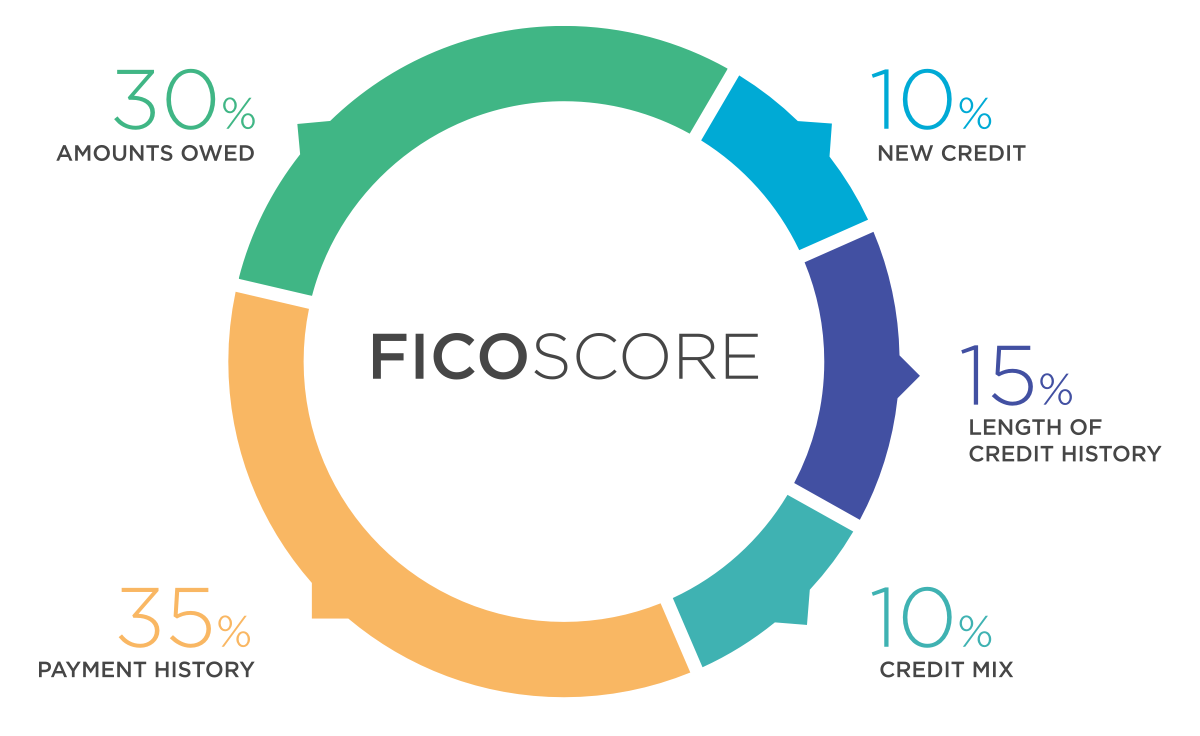
- Payment history (35%): Your history of on-time payments has the biggest impact on your FICO® score. Late payments, collections, and defaults can lower your credit scores quickly.
- Credit utilization (30%): This measures how much of your available credit you are using. Lower balances are generally better for your credit scores.
- Length of credit history (15%): Older credit accounts can help your credit profile. Lenders often prefer borrowers with a longer track record of responsible credit use.
- Credit mix (10%): Having different types of credit accounts, such as credit cards and installment loans, may help strengthen your credit profile.
- New credit inquiries (10%): Applying for several credit accounts within a short period can hurt your credit scores and may signal higher risk to lenders.
What Matters Most Going Forward
Your current credit scores do not define your financial future. Credit scores can change over time, and even small improvements can make it easier to qualify for better financial products and lower interest rates.
The key is staying consistent. Positive payment history, responsible credit usage, and avoiding new negative marks can gradually help strengthen your credit profile month after month.
The sooner you start building positive credit habits, the sooner you can qualify for better credit cards, lower interest rates, and more financial opportunities.
Take the free Credit Comeback Quiz to get a personalized plan based on your current credit situation and the fastest steps to move forward.

Jake is a personal finance writer with a background in consumer lending and credit counseling. He specializes in credit education, debt management, and helping readers understand the financial systems that affect their daily lives. His goal is simple: cut through the jargon and give people the information they actually need.