PayPal and Synchrony Bank don’t publish a minimum credit score for the PayPal Cashback Mastercard. That makes any exact number you see online an estimate rather than an official approval requirement.
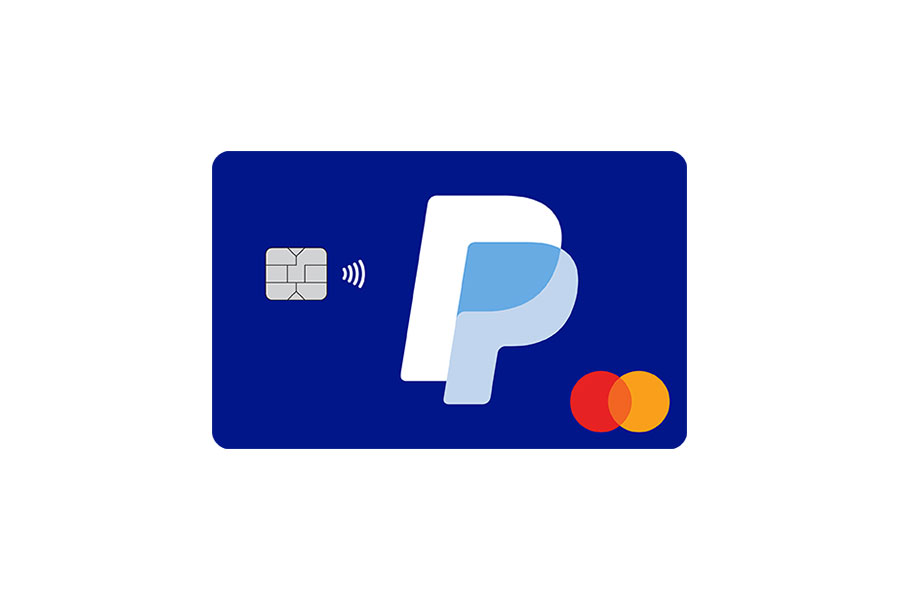
A credit score in the high 600s or better can put you in a stronger position, but applicants with fair credit may also qualify. Your income, existing debt, payment history, credit utilization, and recent credit activity can affect the decision too.
The application also has an unusual feature that can reduce some of the risk of checking your eligibility. PayPal says a denied application won’t affect your credit score. An approved application results in a hard inquiry on your credit report.
There Is No Published PayPal Cashback Mastercard Credit Score Requirement
Neither PayPal nor Synchrony Bank identifies a minimum credit score for approval.
Third-party estimates vary considerably. Some place the card within reach for applicants with fair credit, while others recommend a credit score near 690 or higher. That disagreement is another reason not to treat 700 as a firm approval line.
A 680 credit score doesn’t automatically mean you’ll be denied. A 720 credit score doesn’t guarantee approval either.
If you want to improve your position before you apply, a credit score in the upper 600s or above is a reasonable target. The rest of your credit profile still matters.
Synchrony Bank issues the PayPal Cashback Mastercard, so PayPal account activity doesn’t replace the credit review required for a credit card application.
Not sure where to start with your credit?
Answer a few simple questions and get a free step-by-step plan to rebuild your credit.
A Denied Application Won’t Hurt Your Credit Score
The application process is one of the card’s more useful features.
PayPal states that there’s no impact to your credit score if Synchrony Bank declines your application. If Synchrony Bank approves the application, a hard inquiry will appear on your credit report and may affect your credit score.
That distinction matters if you aren’t sure whether your credit profile is strong enough.
You can submit the application without taking on a hard inquiry on your credit report simply to receive a denial. The hard inquiry comes after approval.
This doesn’t mean you should apply without checking your credit profile first. It does remove one downside that comes with many credit card applications.
What You Need Before You Apply
Your credit score isn’t the only basic requirement. PayPal has several eligibility and application requirements that you should know before you start.
- PayPal account: You need an active PayPal account in good standing to apply for and manage the PayPal Cashback Mastercard.
- Age: You must be at least 18 years old.
- Residency: You must live in the United States or a U.S. territory.
- Personal information: The application asks you to confirm your name, address, phone number, and date of birth.
- Income: PayPal asks for your annual income after taxes.
- Social Security number: The application asks for the last four digits of your Social Security number.
If Synchrony Bank approves you, PayPal automatically links the card to your PayPal account. In many cases, PayPal also provides a temporary credit line that lets you use the card for PayPal purchases before the physical card arrives.
What Synchrony Bank May Consider Beyond Your Credit Score
Synchrony Bank doesn’t publish a formula that shows how much weight it gives each part of an application. Credit card issuers generally review several pieces of financial and credit information before they extend a new credit line.
For the PayPal Cashback Mastercard, pay close attention to these areas:
- Payment history: Recent late payments can weaken your application even when your credit score has recovered.
- Credit utilization: High credit card balances can raise your credit utilization and reduce the strength of your overall credit profile.
- Existing debt: Large monthly debt obligations can affect how an issuer views your capacity for another account.
- Income: Synchrony Bank asks for income as part of the application and can consider whether that income supports another credit line.
- Recent applications: Several recent hard inquiries on your credit reports can show that you’ve been seeking multiple new accounts.
- Length of credit history: A longer record of responsible account management gives an issuer more information about how you handle credit.
There isn’t a published rule that says one weak area automatically results in a denial. Synchrony Bank can consider the full application.
When It May Make Sense to Apply Now
You don’t need to wait until your credit score reaches 700 simply because that number appears on other websites.
Your application may be worth considering now if your credit score is in the upper 600s or better, your payments are current, your credit card balances are manageable, and you haven’t submitted several recent applications.
The card’s application process also changes the calculation. A denial won’t affect your credit score, so someone with a borderline credit profile doesn’t face the same downside that comes with an application that creates a hard inquiry before the issuer makes a decision.
You may still want to wait if your credit reports show problems that you can fix first. High credit utilization, inaccurate negative information, or a recent missed payment can give you a reason to improve your credit profile before you apply.
How to Put Your Credit Profile in Better Shape
You don’t need to overhaul your entire credit history. Focus on problems that can affect the application and that you can realistically improve.
- Check your credit reports: Review your credit reports from Equifax, Experian, and TransUnion. Look for inaccurate late payments, incorrect balances, unfamiliar accounts, and other factual errors.
- Lower credit card balances: Lower revolving balances can reduce credit utilization and may help your credit score after the new balances reach the credit bureaus.
- Keep every payment current: Pay every account by its due date. A new late payment can hurt an otherwise improving credit profile.
- Avoid unnecessary applications: Hold off on other credit card applications if your credit reports already show several recent hard inquiries.
- Dispute inaccurate information: Contact the credit bureau that displays an error and dispute information that is incomplete or incorrect.
You don’t need to carry a credit card balance or pay interest to improve your credit profile.
The PayPal Cashback Mastercard No Longer Earns 2% Everywhere
The rewards have changed, so older descriptions of the card can be misleading.
The PayPal Cashback Mastercard currently earns:
- 3% cash back: Earn unlimited 3% cash back when you check out with PayPal and select the PayPal Cashback Mastercard as your payment method.
- 1.5% cash back: Earn unlimited 1.5% cash back on other eligible purchases wherever Mastercard is accepted.
- No annual fee: The card has a $0 annual fee.
- No rotating categories: You don’t have to activate quarterly cash back categories.
- No earnings cap: PayPal doesn’t cap the amount of eligible cash back you can earn.
The old 2% cash back rate on non-PayPal purchases is no longer available. That makes the card much more dependent on how often you use PayPal checkout.
How PayPal Cashback Rewards Are Redeemed
Rewards become available after eligible purchases post to your credit card account. You can redeem your cash back at any time, and PayPal doesn’t require a minimum redemption amount.
If you have a PayPal Balance account, you can transfer rewards to your PayPal balance. You can then use the money for purchases, send it through PayPal, or transfer it to a linked bank account.
If you don’t have a PayPal Balance account, PayPal says you can transfer cash rewards to an eligible linked bank account or debit card.
That gives the card more redemption flexibility than the old article suggested. Your rewards don’t have to remain inside PayPal.
Ready to take action on your credit?
Get your personalized plan in 30 seconds. Free, no credit check.
Does the PayPal Cashback Mastercard Make Sense for Your Spending?
The card is more attractive for frequent PayPal users than it is as a general-purpose cash back card.
A 1.5% rate on purchases outside PayPal is easy to beat with credit cards that earn 2% on most or all purchases. The PayPal Cashback Mastercard makes up for that with its 3% PayPal rate.
The math is fairly simple. If at least one-third of your eligible spending earns 3% through PayPal and the rest earns 1.5%, your average cash back rate reaches at least 2%.
If very little of your spending goes through PayPal, a 2% flat-rate card may earn more with less effort. If you regularly use PayPal checkout for online purchases, travel, subscriptions, and other expenses, the 3% rate can make the PayPal Cashback Mastercard more competitive.
From an approval standpoint, don’t focus too heavily on reaching one exact credit score. PayPal and Synchrony Bank don’t publish a minimum. Review your full credit profile, take advantage of the no-impact-if-declined application process, and decide whether the card’s current rewards fit how you actually spend.