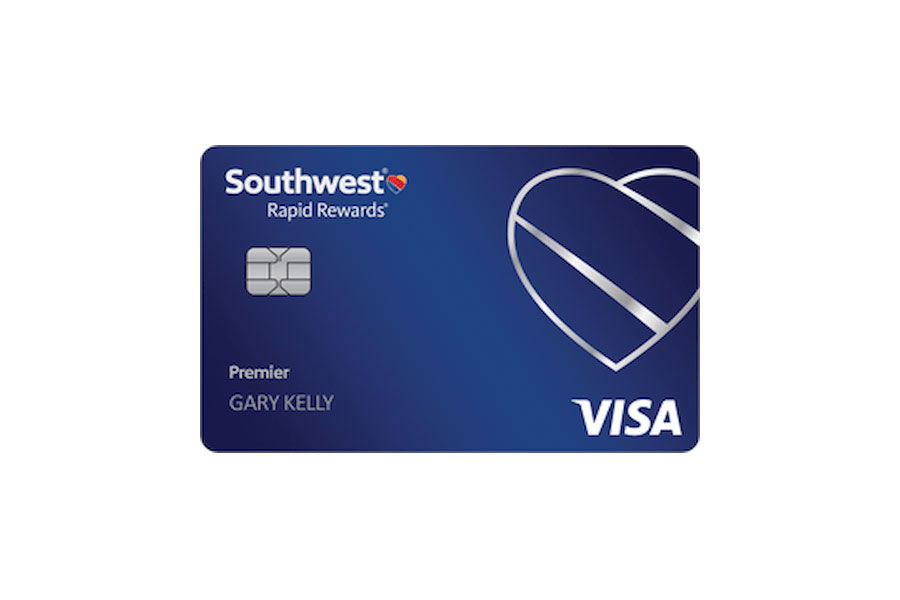
Chase issues three personal Southwest Rapid Rewards credit cards, each targeting a different type of Southwest traveler. The gap in benefits and annual fees between the Plus and the Priority is substantial. Which card you’re targeting should be the first decision you make before thinking about your credit score.
Applying for the right card at the right time is more efficient than applying for a higher-tier card before your profile supports it. Here’s how the three cards break down, what credit score Chase requires, and the one rule that eliminates more Southwest applicants than any credit score issue does.
The Three Southwest Personal Cards
The annual fees run from $99 to $229, and the earning rates, anniversary bonuses, and status benefits scale accordingly. Here’s what each card delivers before you decide which one to target.
Southwest Rapid Rewards Plus, $99 Annual Fee
The entry point into the personal lineup. New cardholders can earn 50,000 bonus points after spending $1,000 in the first three months. The card earns 2x points on Southwest purchases, at gas stations, and at grocery stores on the first $5,000 in combined purchases per year, and 1x on everything else.
Anniversary benefits include 3,000 bonus points and a 10% annual flight discount promo code. First checked bag is free for the cardholder and up to eight additional passengers on the same reservation.
Southwest Rapid Rewards Premier, $149 Annual Fee
A step up in earning and anniversary value. New cardholders can earn 55,000 bonus points after spending $1,500 in the first three months. The card earns 3x points on Southwest purchases, 2x at grocery stores and restaurants on the first $8,000 combined per year, and 2x at gas stations.
Anniversary benefits increase to 6,000 points and a 15% flight discount. The Premier also earns 1,500 A-List tier qualifying points per $5,000 spent annually toward Southwest’s elite status program.
Southwest Rapid Rewards Priority, $229 Annual Fee
The premium personal card built for frequent Southwest flyers. New cardholders can earn 60,000 bonus points after spending $2,000 in the first three months. The card earns 4x points on Southwest purchases, 2x at restaurants and gas stations, and 1x everywhere else.
Anniversary benefits jump to 7,500 points, and the card adds preferred seat selection at booking and an upgrade to extra legroom seats within 48 hours of departure when available. The Priority earns 2,500 A-List tier qualifying points per $5,000 spent annually.
All three cards include no foreign transaction fees, 25% back on inflight purchases, Group 5 boarding, and a 10,000 Companion Pass qualifying points boost each year.
Credit Score Requirements for a Southwest Credit Card
Most approved applicants carry a credit score of 670 or higher across all three cards. That puts the Southwest lineup in the good credit tier, consistent with Chase’s general expectations for travel rewards cards.
The Plus is the most accessible of the three, and applicants with credit scores in the mid-600s occasionally report approvals when the rest of their profile is particularly clean. The Premier and Priority, with their higher annual fees and more substantial benefits, tend to see approvals clustering closer to 700 and above. A stronger credit score also tends to produce a higher starting credit limit, which matters if you’re planning significant spending to earn the welcome bonus.
The 5/24 Rule Is the Real Gatekeeper
Before Chase looks at your credit score, income, or payment history, they check your 5/24 status. If you’ve opened five or more credit cards from any issuer in the past 24 months, Chase will automatically deny your application regardless of your credit score. This rule applies to all three Southwest personal cards without exception.
Pull your credit report and count every new credit card account opened in the last 24 months before you apply. Store cards, secured cards, and authorized user accounts can all contribute to the count depending on how they’re reported. If you’re at five or above, no amount of credit score improvement changes the outcome until enough accounts age past that window.
The 5/24 rule also interacts with the Southwest one-bonus-per-24-months policy. You can only earn the new cardmember bonus on a Southwest personal card if you don’t currently hold one. Additionally, you must not have received a new cardmember bonus on a Southwest personal card in the past 24 months. Plan your application timing around both rules simultaneously.
What Else Does Chase Look At?
With 5/24 cleared and a qualifying credit score, these factors shape the final decision:
- Income relative to existing debt: Chase wants confirmation that your monthly obligations leave room for a new credit line and the spending required to earn the welcome bonus.
- Recent payment record: A late payment in the past twelve months raises concerns at any Chase card tier. Clean recent behavior carries more weight than your overall lifetime record.
- Existing Chase relationship: Applicants who already hold Chase accounts in good standing benefit from that established history. Chase has direct visibility into those accounts that external credit report data can’t replicate.
- Total credit utilization: High balances relative to your available credit limits across all accounts raise concerns regardless of your credit score. Keeping total usage below 30% strengthens any Chase application.
Matching the Right Card to Your Travel Habits
The Companion Pass is the most valuable benefit in the Southwest ecosystem, and all three cards contribute to it. Every point you earn, including the welcome bonus, counts toward the 135,000 points needed to earn a Companion Pass. That means the card with the largest welcome bonus accelerates your path to the Pass most efficiently.
For occasional Southwest flyers who want a low-cost entry point, the Plus delivers the core benefits at the lowest annual fee. For travelers who fly Southwest regularly enough to value A-List status acceleration and higher anniversary points, the Premier makes more sense. The Priority is built for frequent Southwest flyers who can extract full value from the preferred seating, higher anniversary bonus, and status-building earning rate.
How to Strengthen Your Application Before Applying
These steps address the factors Chase weighs most heavily:
- Check your 5/24 count before anything else: This is the only factor that eliminates a Chase application before anything else is reviewed. Count every new credit card account from the past 24 months across all issuers.
- Match your target card to your credit score: Applying for the Priority with a 675 credit score is a harder sell than starting with the Plus. Let your current profile guide the decision.
- Pay down revolving balances: Getting total utilization below 30% across all accounts strengthens both your credit score and the overall profile Chase reviews before making a decision.
- Protect your recent payment record: Six to twelve months of on-time payments across all accounts is a strong signal to Chase regardless of what your credit report shows before that window.
- Dispute errors on all three credit reports: Pull your credit reports from Equifax, Experian, and TransUnion separately and flag inaccurate items with each bureau directly.
Ready to take action on your credit?
Get your personalized plan in 30 seconds. Free, no credit check.
Bottom Line
The Southwest Rapid Rewards cards give loyal Southwest flyers a structured path from entry-level point earning to Companion Pass qualification and A-List status acceleration. The right card depends on how often you fly Southwest and whether the annual fee pays for itself through the benefits and points you’d realistically earn.
Clear your 5/24 count, match your application to your current credit score, and time your application around the 24-month bonus eligibility window. Get those three things right and you’ll be in the strongest possible position to start earning toward your next Southwest flight.