Silver tends to heat up when inflation worries rise, markets feel shaky, or commodities start running. When that happens, many investors end up asking the same question: should you own physical silver, or should you buy a silver ETF instead?

This article walks through how each option works, what you actually own, and where the trade-offs show up in real life. You will see clear comparisons, practical examples, and situations where one choice makes more sense than the other.
The goal here is simple. By the end, you should know which option fits your priorities, your risk tolerance, and the reason you want silver in the first place.
What Physical Silver Means for Investors
Physical silver refers to real, tangible metal that you can hold, store, and sell directly. There is no financial product wrapper and no intermediary standing between you and the asset itself. That direct ownership shapes how physical silver behaves as an investment.
Forms of Physical Silver You Can Own
Physical silver comes in several common forms, each with trade-offs related to price, liquidity, and premiums. Most investors focus on bullion products rather than collectibles.
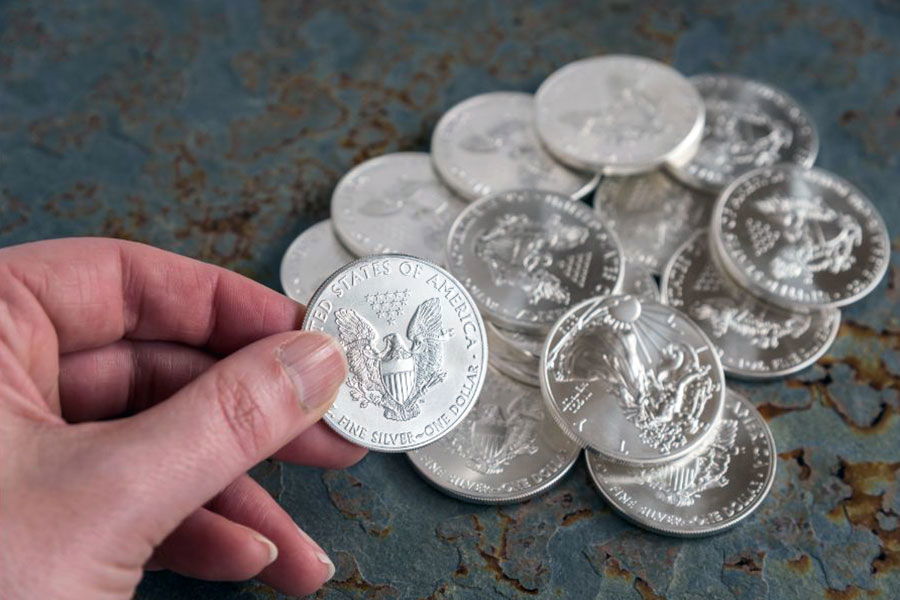
- Silver Coins: Government-minted silver coins such as American Silver Eagles or Canadian Maple Leafs, often carrying higher premiums but strong resale demand.
- Silver Bars: Rectangular bars that range from one ounce to 100 ounces, usually offering lower premiums per ounce as size increases.
- Silver Rounds: Privately minted pieces that resemble coins but lack legal tender status, often priced closer to spot.
How Physical Silver Is Bought and Sold
Buying and selling physical silver involves a dealer, whether online or in person. Pricing never matches the spot price exactly, since fabrication and distribution add costs.
- Where You Buy: Local coin shops and online bullion dealers serve as the main sources.
- Premiums Over Spot: Buyers pay above spot when purchasing and usually sell below spot when exiting.
- Liquidity Conditions: Normal markets support easy resale, while stressed markets can create delays or wider spreads.
What You Actually Own
With physical silver, ownership stays simple and direct. There is no paper claim or financial promise involved.
- Direct Ownership: You hold legal title to the metal itself.
- No Counterparty Exposure: Your ownership does not depend on a fund sponsor, custodian, or clearing system.
See also: 5 Best Ways to Buy Silver in 2026
What Silver ETFs Are and How They Work
Silver ETFs offer price exposure through a financial product that trades on a stock exchange. They aim to track silver prices without requiring storage or handling by the investor. Convenience drives their appeal.
How Silver ETFs Track Price
Not all silver ETFs work the same way. The structure affects risk, tracking accuracy, and behavior during market stress.
- Physically Backed ETFs: Funds that hold silver bars in vaults and issue shares tied to those holdings.
- Futures-Based ETFs: Funds that use silver futures contracts, which can introduce roll costs and price drift.
- Mining ETFs: Funds holding silver mining stocks, which respond to business factors beyond silver prices.
What You Own With a Silver ETF
ETF ownership does not grant direct claim to silver bars. Investors hold shares that reflect exposure rather than possession.
- Share Ownership: You own shares of a fund, not metal in hand.
- Financial Intermediaries: Custodians, trustees, and exchanges sit between you and the underlying exposure.
How Silver ETFs Are Bought and Sold
Silver ETFs trade like stocks and fit easily into brokerage accounts. Speed and flexibility stand out as their main advantages.
- Brokerage Access: ETFs trade during market hours through standard investment accounts.
- Intraday Liquidity: Shares can be bought or sold instantly at market prices.
- No Storage Needs: There is no requirement to store, insure, or transport metal.
Physical Silver vs. Silver ETFs: Side-By-Side Comparison
The core differences between physical silver and silver ETFs become clearer when placed side by side. Each solves a different problem and serves a different type of investor.
Core Comparison Table
| Feature | Physical Silver | Silver ETFs |
|---|---|---|
| Ownership | Direct ownership of metal | Shares representing price exposure |
| Counterparty Risk | None | Present |
| Storage | Required | Not required |
| Liquidity | Moderate | Very high |
| Trading Speed | Slower | Instant |
| Minimum Investment | Higher upfront cost | Low entry point |
| Ongoing Costs | Storage and insurance | Expense ratios |
| Use During Market Stress | Strong | Limited |
Costs That Actually Matter Over Time
Costs affect silver returns more than most people expect. Some costs are obvious upfront, while others show up slowly and quietly in the background. Looking at total cost rather than headline pricing gives a clearer picture.
Costs Associated With Physical Silver
Physical silver carries upfront and ongoing expenses tied to handling real metal. These costs vary based on where you buy, how you store, and when you sell.
- Dealer Premiums: Buyers pay above spot price to cover minting, distribution, and dealer margins.
- Storage Expenses: Home safes, bank boxes, or third-party vaults each add cost.
- Insurance Costs: Insuring silver adds another layer of expense, especially for larger holdings.
- Selling Spreads: Dealers usually buy back below spot, which affects exit pricing.
Costs Associated With Silver ETFs
Silver ETFs appear inexpensive on the surface, but their costs compound over time. These expenses reduce returns gradually rather than upfront.
- Expense Ratios: Annual fees are deducted from fund assets each year.
- Tracking Differences: Price exposure may drift slightly from spot over long periods.
- Brokerage Fees: Trading commissions may apply depending on the account.
Long-Term Cost Comparison
| Cost Type | Physical Silver | Silver ETFs |
|---|---|---|
| Upfront Cost | Higher | Very low |
| Ongoing Fees | Optional | Continuous |
| Price Tracking | Direct | Indirect |
| Exit Costs | Dealer spread | Market spread |
Risk Differences You Should Not Ignore
Risk shows up in different ways depending on how silver is owned. Some risks feel obvious, while others stay hidden until markets become stressed.
Risks Specific to Physical Silver
Owning tangible metal brings responsibility along with control. These risks depend largely on storage and personal handling.
- Theft Or Loss: Improper storage increases exposure.
- Liquidity Delays: Selling quickly may require accepting lower prices.
- Storage Errors: Poor storage conditions can damage metal over time.
Risks Specific to Silver ETFs
ETF risks stem from reliance on financial systems and counterparties. These risks tend to stay invisible during calm markets.
- Custodian Dependence: Fund assets rely on third-party custodians.
- Structural Risk: Shareholders do not control underlying silver directly.
- Market Access Risk: Trading halts or closures can limit exits during volatility.
Tax Treatment Differences That Affect Returns
Taxes can meaningfully change net outcomes, especially for long-term holders. The structure of ownership determines how gains are taxed.
How Physical Silver Is Taxed
Physical silver receives special tax treatment under federal rules. This often surprises first-time buyers.
- Collectible Classification: Gains face higher long-term capital gains rates.
- Manual Reporting: Owners must track purchase and sale details.
How Silver ETFs Are Taxed
ETF taxation depends on fund structure. Some funds follow the same rules as physical silver.
- Structure-Based Treatment: Physically backed ETFs may also face collectible tax rates.
- Simplified Reporting: Brokerages handle most documentation.
Tax Comparison Snapshot
| Tax Factor | Physical Silver | Silver ETFs |
|---|---|---|
| Long-Term Rate | Higher | Varies |
| Reporting Ease | Manual | Automated |
| Retirement Accounts | Not allowed | Allowed |
When Physical Silver Makes More Sense
Physical silver works best when the goal goes beyond short-term price movement. It appeals to investors focused on ownership and independence.
- System Risk Protection: Direct ownership avoids financial intermediaries.
- Long-Term Holding: Tangible assets suit extended time horizons.
- Emergency Preparedness: Physical metal functions outside electronic systems.
- Wealth Storage: No reliance on account access or platforms.
When Silver ETFs Make More Sense
Silver ETFs fit investors who prioritize flexibility and efficiency. They serve tactical or convenience-driven strategies.
- Short-Term Exposure: Easy entry and exit support active positioning.
- Small Starting Amounts: Fractional shares lower barriers.
- Retirement Accounts: ETFs integrate with tax-advantaged plans.
- Ease Of Use: No storage or handling requirements.
Using Both: A Practical Middle Ground
Many investors combine physical silver and silver ETFs to balance control and convenience. Each plays a different role within the same strategy.
Physical silver can serve as long-term insurance, while ETFs handle liquidity and trading needs. This approach spreads risk without overcommitting to one structure.
Quick Decision Guide
If choosing feels unclear, matching silver ownership to priorities simplifies the choice.
| Priority | Better Fit |
|---|---|
| Speed And Liquidity | Silver ETFs |
| Direct Ownership | Physical Silver |
| No Counterparty Exposure | Physical Silver |
| Retirement Investing | Silver ETFs |
| Long-Term Wealth Storage | Physical Silver |
Final Thoughts
Physical silver and silver ETFs are not interchangeable, even though they track the same metal. One emphasizes control and ownership, while the other focuses on convenience and flexibility.
The right choice depends on why silver belongs in your portfolio. Once that purpose is clear, the decision usually becomes obvious.