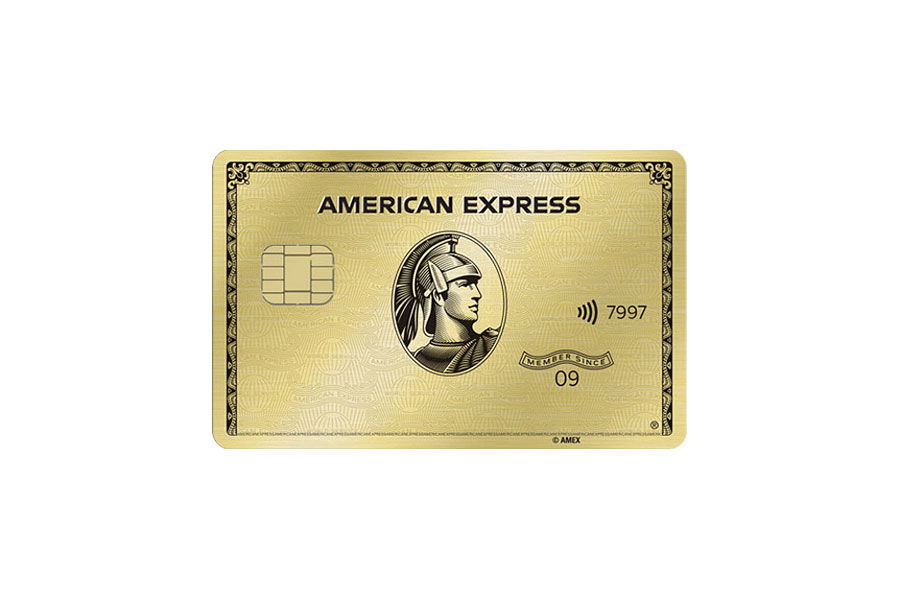
The Blue Cash Everyday Card from American Express is a cash back card built around three everyday spending categories: U.S. supermarkets, U.S. gas stations, and U.S. online retail. Each earns 3% cash back up to $6,000 per year in that category, then drops to 1%. There’s no annual fee.
Unlike the store cards Amex issues with retail partners, this is a genuine mainstream Amex product, which means approval standards are stricter than anything you’d see from a Synchrony or Comenity card. Your credit score matters, and so does your overall relationship with credit.

Here’s what score you actually need, how Amex evaluates applications, and what to do if your score falls short.
Credit Score Requirements for the Blue Cash Everyday Card
Amex positions the Blue Cash Everyday Card for applicants with good credit or better. Most approved applicants have a credit score of at least 670, with the average landing around 700.
Applicants above 720 move through Amex underwriting more smoothly and typically receive higher starting credit lines. Scores below 670 can still get approved, but usually only when the rest of the financial profile is strong enough to offset the lower score.
Amex uses its own proprietary underwriting model in addition to FICO and VantageScore. That means two applicants with identical credit scores can see different outcomes based on how their overall history reads through Amex’s internal review.
How Amex Evaluates Applications Differently
American Express underwrites credit cards differently than most issuers, and those differences can work for or against you depending on your profile. Here are the factors that carry the most weight:
- Payment history on existing accounts: Amex looks at your entire payment record, not just the last year. A single 30-day late from two years ago carries less weight than a recent one, but historical patterns matter.
- Existing Amex relationship: If you already hold an Amex card in good standing, your application benefits from that history. A previously charged-off Amex account, even from years ago, is one of the hardest obstacles to overcome.
- Income relative to requested line: Amex uses income heavily in credit line sizing. Report all legitimate household income including self-employment and regular side income.
- Recent credit activity: Multiple hard inquiries or new accounts in the past six months signal risk. Amex tends to weigh this more heavily than some bank issuers.
- Credit utilization: High balances on existing cards suggest limited capacity. Paying down balances before applying strengthens both your score and your overall profile.
What You Get with the Blue Cash Everyday Card
The cash back structure earns 3% on three U.S. categories: supermarkets, online retail, and gas stations. Each category caps at $6,000 per year in purchases before dropping to 1%, and all other spending earns 1% baseline.
That $6,000 cap matters. If you spend $500 a month on groceries, you’ll hit the cap in year one and earn 1% for the rest of the year. For most households the three categories combined still produce meaningful cash back, but the caps should factor into whether this is your primary card or a category-specific addition.
Beyond the cash back, the card includes a few benefits worth knowing about:
- Welcome offer: Up to $200 cash back after spending $2,000 in the first 6 months of card membership. Actual welcome offers vary by applicant.
- Intro APR: 0% on purchases and balance transfers for 15 months, then 19.49% to 28.49% variable APR depending on creditworthiness.
- Disney streaming credit: Up to $84 per year in statement credits ($7 monthly) for a Disney streaming subscription. Enrollment required.
- Plan It feature: Split purchases of $100 or more into fixed monthly installments with a set fee rather than variable interest.
- No annual fee: The card costs nothing to keep long-term.
One limitation worth flagging: the foreign transaction fee is 2.7%, which makes this a poor choice for international travel. Pair it with a no-foreign-fee card if you travel abroad.
How to Strengthen Your Application Before Applying
These steps address what Amex actually weighs in its underwriting:
- Check your prior Amex history first: If you’ve had any Amex product in the past that closed negatively, address it before applying. Amex’s internal records go back years and affect new applications regardless of credit score improvements.
- Pay down revolving balances: Lower utilization strengthens both your credit score and the credit line Amex will approve. This has outsized impact at the good-credit tier where many applications get borderline decisions.
- Space out hard inquiries: Avoid other credit applications in the 60 to 90 days before applying. Amex treats recent inquiry activity as a meaningful risk signal.
- Report full household income: Include all legitimate income sources. Amex uses income heavily in credit line decisions, and higher reported income translates to better terms.
- Use Amex’s pre-qualification tool: Amex offers pre-qualification through its site using a soft credit pull. Running it first tells you your likely outcome without affecting your credit score.
Ready to take action on your credit?
Get your personalized plan in 30 seconds. Free, no credit check.

What to Do if Your Application Is Denied
Amex accepts reconsideration calls for denied applications, which is unusual among credit card issuers. If you’re denied, you can call the reconsideration line at 1-800-567-1083 to request a second review.
Reconsideration works best when you have specific information to add that the initial review didn’t capture. That might include updated income, a recently paid-off loan, or context around a credit report item that’s since been resolved. A blanket request for reconsideration without new information rarely changes the outcome.
Before calling, pull your credit reports to understand what Amex may have seen, and have your reasons for reconsideration ready. The conversation is short and the underwriter’s decision is usually final.
Bottom Line
The Blue Cash Everyday Card is a solid cash back option for applicants with good credit who spend regularly at U.S. supermarkets, gas stations, and online retailers. The no-annual-fee structure makes it easy to hold long-term, and the 0% intro APR gives some flexibility for new cardholders who need to finance a larger purchase.
A credit score of 670 or above, paired with steady income and a clean recent payment record, puts you in reasonable position with Amex. Scores of 700 or higher typically result in better terms and higher credit lines.
Pay down revolving balances before applying, report full household income, and use Amex’s pre-qualification tool to see your likely outcome before submitting a hard application. Those three moves address the most common pitfalls for Amex rewards card applications.