The Target Circle™ Credit Card is built for shoppers who want immediate savings rather than points that must be redeemed later. Cardholders receive a discount on eligible Target purchases, free shipping benefits, and extra time for many returns.
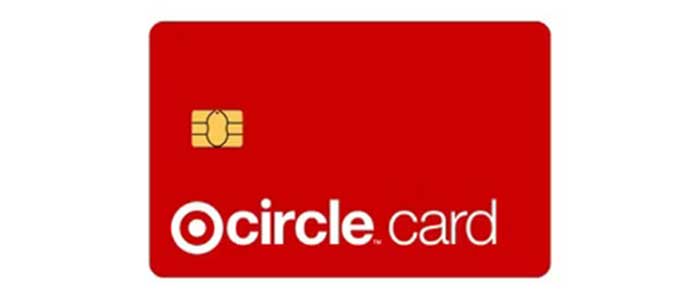
A single application can lead to one of two credit cards. TD Bank considers you for the Target Mastercard first. If you don’t qualify, the bank then considers you for the store-only Target Circle Credit Card.
What Credit Score Do You Need for a Target Credit Card?
Target and TD Bank don’t publish an official minimum credit score. A credit score near 640 may put the store-only Target Circle Credit Card within reach, while the Target Mastercard will usually require a stronger credit profile.
These estimated ranges can help you judge your position:
| Credit Score Range | Estimated Approval Outlook |
|---|---|
| 740 or higher | Strong chance for the Target Mastercard |
| 700 to 739 | Competitive for the Target Mastercard |
| 670 to 699 | Possible for either card, based on the full application |
| 640 to 669 | Better suited to the store-only card |
| Below 640 | Approval may be difficult |
These figures are estimates, not official TD Bank requirements. No credit score guarantees approval.
Two applicants with the same credit score can receive different results. One may have low balances and years of on-time payments. The other may have recent late payments, several new accounts, or high debt.
How the Target Credit Card Application Works
Target uses one application for its two credit cards. TD Bank first reviews your application for the Target Mastercard. If you don’t meet its requirements, the bank reviews you for the Target Circle Credit Card instead.
The cards differ in where you can use them:
- Target Circle Credit Card: This card can only be used at Target stores and Target.com.
- Target Mastercard: This card works at Target and anywhere Mastercard is accepted.
You can’t select the store card before TD Bank reviews you for the Mastercard. Your application, creditworthiness, and TD Bank’s internal standards determine the result.
Target also offers a debit version. The Target Circle Debit Card links to a checking account and doesn’t require a credit check. It provides many of the same Target shopping benefits, but it doesn’t build credit history.
Not sure where to start with your credit?
Answer a few simple questions and get a free step-by-step plan to rebuild your credit.
Is a 640 Credit Score Enough for a Target Card?
A credit score of 640 may be enough for the store-only Target Circle Credit Card. Approval at this level remains uncertain because TD Bank reviews the rest of your credit and financial profile.
An application near 640 may look better when you have:
- Low card balances: Your balances use a small share of your total credit limits.
- No recent missed payments: Your recent credit history shows payments made by their due dates.
- Steady income: Your income can support your current debts and another payment.
- Few recent applications: Your credit report contains limited new inquiries or accounts.
- Older active accounts: Your credit history shows responsible use over several years.
A credit score of 640 is less likely to qualify you for the Target Mastercard. Applicants who want the Mastercard should generally aim for a credit score near 700.
What Else Does TD Bank Consider?
Your credit score provides a summary of information in your credit report. TD Bank can also review individual accounts and details from your application.
The review may include:
- Income: TD Bank needs to decide whether you can repay purchases charged to the account.
- Existing debt: Large monthly payments can leave less room for another balance.
- Payment history: Late payments, collection accounts, and charge-offs may hurt your chances.
- Credit utilization: High card balances can signal that you already rely heavily on credit.
- Recent inquiries: Several applications within a short period may weaken your profile.
- Credit history length: Older accounts provide more evidence of how you handle debt.
- Current TD Bank accounts: Your past history with TD Bank may affect the decision.
The bank may approve your application with a modest starting credit limit. A lower limit can make it easier to report high credit use after a large Target purchase.
How to Prepare Before You Apply
A Target credit card application can result in a hard inquiry. Review your credit profile before you submit it.
Use this process:
- Check your Equifax, Experian, and TransUnion credit reports.
- Review the balances listed on your open credit cards.
- Confirm that your income and housing information are accurate.
- Count the credit accounts you recently opened or applied for.
- Decide whether the credit or debit Target Circle Card fits you better.
The debit card may be the better choice when you only want the Target discount and shipping benefits. It offers those perks without a credit application or interest charges.
How to Improve Your Target Credit Card Approval Odds
The best steps depend on which parts of your credit profile need attention.
- Reduce revolving balances: Lower balances may improve your credit ratio and monthly cash flow.
- Pay before statements close: Earlier payments may reduce the balances sent to the credit bureaus.
- Protect your payment history: Pay at least the required amount by every due date.
- Correct credit report errors: Dispute accounts, balances, or payment records that are inaccurate.
- Pause other credit applications: Extra hard inquiries may lower your approval odds.
- Keep older accounts open when practical: Older accounts can support credit history length and total available credit.
- List eligible income accurately: Include income that the application permits you to report and that you can reasonably access.
Don’t treat 30% credit utilization as an ideal goal. Lower is generally better. Reported balances below 10% of total credit limits may support a stronger application.
Only dispute information that is incorrect, incomplete, or not yours. Accurate negative information can’t normally be removed because it lowers your credit score.
What Benefits Come with Both Target Credit Cards?
Both Target credit cards provide several core benefits:
- 5% Target discount: Cardholders save an extra 5% on eligible purchases at Target stores and Target.com.
- Free shipping: Cardholders receive free standard shipping on most Target.com orders, with free two-day shipping on eligible items.
- Extended returns: Many eligible purchases receive 30 additional days beyond the standard return period.
- No annual fee: Neither Target credit card charges a yearly fee.
- Circle 360 discount: Cardholders can receive 50% off the regular Target Circle 360 membership price.
Restrictions apply to the discount, shipping, returns, and membership offer. Target excludes some purchases and services from the 5% discount.
What Extra Rewards Does the Target Mastercard Offer?
The Target Mastercard adds rewards for purchases outside Target. Cardholders earn 2% on eligible dining and gas purchases and 1% on other eligible purchases outside Target. Those rewards are exclusive to Mastercard cardholders.
The Mastercard may be convenient, but its outside rewards aren’t exceptional. Many general cash-back cards offer 2% on every purchase or higher rewards in selected categories.
The store-only card provides the same core Target discount. You don’t need the Mastercard to save 5% on eligible Target purchases.
What to Do if TD Bank Denies Your Application
TD Bank should send an adverse action notice after a denial. The notice should list the main reasons for its decision and identify the credit bureau that supplied the credit report.
Review those reasons before you apply again. The notice may cite high balances, recent late payments, limited credit history, several inquiries, or debt that appears high compared with income.
Check the named credit report for mistakes. Submit a dispute to the credit bureau when you find a confirmed error.
Do not apply again immediately unless the original application contained an obvious mistake. The same credit issues may lead to another denial.
Ready to take action on your credit?
Get your personalized plan in 30 seconds. Free, no credit check.
Is a Target Credit Card Worth It?
A Target credit card can provide clear value for shoppers who regularly buy groceries, household supplies, clothing, or other items from Target. The automatic 5% discount is simple and doesn’t require points, spending categories, or redemptions.
The Target Mastercard offers more flexibility, but its outside rewards may not justify using it instead of a stronger cash-back card. The Target Circle Credit Card may be enough when your main goal is to save money at Target.
A credit score near 640 may qualify for the store card. Applicants who want the Target Mastercard should aim closer to 700. Your income, debt, payment history, card balances, and recent applications will also shape the result.