
Many Americans are falling short on retirement savings. Recent data shows the average retiree has about $170,700 saved, far below the roughly $556,000 many financial professionals suggest as a target. Even more concerning, nearly 37% of retirees report having no retirement savings at all.
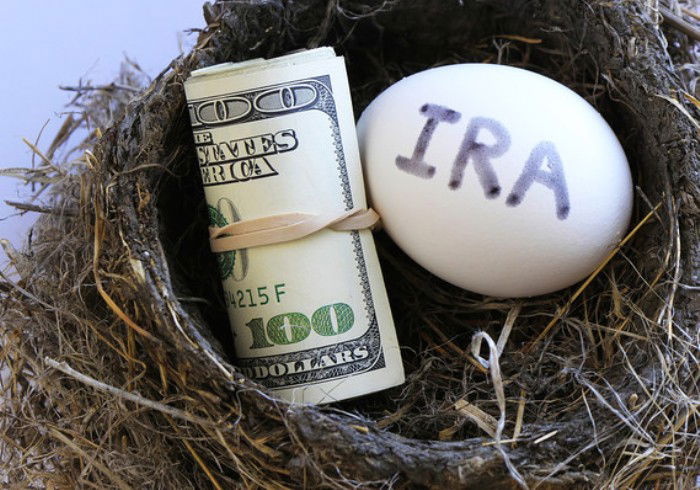
An individual retirement account (IRA) can help close that gap. These tax-advantaged accounts provide flexible ways to save and invest for the future, including stocks, savings-based options, and app-driven platforms. With a thoughtful approach, an individual retirement account can help grow retirement savings while also reducing taxes over time.
How Individual Retirement Accounts Work
An IRA lets you invest for retirement while getting a tax break. Depending on the type you choose, your contributions may be tax-deductible now, or your withdrawals may be tax-free later. Either way, an IRA can help you grow retirement savings while reducing your tax burden.
You generally can’t withdraw money before age 59½ without a penalty, though some exceptions apply.
IRA Contribution Rules
Each year, the IRS sets a limit on how much you can contribute to an IRA. Hitting the annual limit can help maximize your retirement growth, especially since investments inside an IRA can grow tax-deferred or tax-free.
There’s no cap on how much the account can grow once your money is invested. Some IRAs have grown to millions through long-term stock growth, though future results depend on your investments and market performance.
IRA Contribution Limits for 2026
For 2026, the annual IRA contribution limit remains $7,000, or $8,000 if you’re age 50 or older. You can open an individual retirement account through a bank, brokerage firm, or online investment platform. Once funded, you can choose from many investment options, though certain rules and restrictions apply.
The most common types of individual retirement accounts are Traditional, Roth, and SEP accounts. Each comes with different tax treatment and eligibility requirements, so choosing the right one depends on your income, work situation, and long-term retirement plans.
Check Out Our Top Picks for 2026:
Best IRA Accounts
Traditional IRAs
Traditional IRAs let you make tax-deductible contributions, which can lower your taxable income now. The exact deduction depends on your income, tax filing status, and whether you or your spouse have a workplace retirement plan. Withdrawals before age 59½ usually incur a 10% penalty plus income tax. Once you turn 73, required minimum distributions (RMDs) must begin.
For 2026, you can contribute up to $7,000, or $8,000 if you’re 50 or older. Deduction limits may apply at higher income levels.
Roth IRAs
Roth IRAs are funded with after-tax dollars, so contributions do not provide an upfront tax deduction. In exchange, qualified withdrawals in retirement are tax-free, including earnings. You can also withdraw your original contributions at any time without taxes or penalties. Unlike Traditional individual retirement accounts, Roth accounts don’t require required minimum distributions.
For 2026, Roth individual retirement account contribution limits are the same as those for Traditional accounts. However, income limits can reduce or eliminate eligibility to contribute, depending on your filing status and modified adjusted gross income.

Backdoor IRA Strategy
If you earn too much to contribute directly to a Roth IRA, a backdoor Roth strategy could help. This involves contributing to a Traditional IRA, then converting the funds to a Roth IRA. You’ll pay taxes on the converted amount, but future withdrawals (including earnings) will be tax-free if you meet Roth IRA rules.
Keep in mind that backdoor Roth conversions have rules and potential tax consequences. It’s a good idea to consult a financial advisor before moving forward.
Other Types of IRAs
Beyond traditional and Roth IRAs, there are options designed for small business owners and self-employed individuals. These include SEP and SIMPLE IRAs, which offer higher contribution limits and tax benefits tailored to business income.
SEP and SIMPLE IRAs: For Small Businesses and Self-Employed
- SEP IRA (Simplified Employee Pension): SEP IRAs are ideal for self-employed individuals or small business owners. Contributions are tax-deductible, and earnings grow tax-deferred. Only employers contribute, and contributions can be a significant percentage of income.
- SIMPLE IRA (Savings Incentive Match Plan for Employees): SIMPLE IRAs are suitable for small businesses with fewer than 100 employees. Both employers and employees can contribute, and it functions similarly to a 401(k) but with simpler administration.
SEP and SIMPLE IRA Contribution Limits
Each type of IRA has specific contribution limits, which are subject to annual adjustments. SEP and SIMPLE IRAs have higher contribution limits than Traditional and Roth IRAs, reflecting their nature as small business retirement plans.
How to Open an Individual Retirement Account (IRA)
Opening an IRA is easier than most people expect. Here are the steps to get started:
- Choose the right type of IRA: Decide between a Traditional, Roth, SEP, or SIMPLE IRA based on your income, employment situation, and retirement goals.
- Pick a provider: Compare banks, brokerages, and online platforms. Look at investment options, account fees, and minimum balance requirements. Most online brokers now offer no-fee IRAs with a wide range of investment choices.
- Complete the application: Provide personal details like your Social Security number, income information, and employment status.
- Fund your account: Contribute directly, transfer funds from another account, or roll over money from an old 401(k) or IRA.
- Choose your investments: Most IRAs offer stocks, bonds, mutual funds, and ETFs. You can manage the portfolio yourself, hire a financial advisor, or use automated investing tools like robo-advisors.
- Set up automatic contributions: To stay on track with retirement savings, consider setting up recurring contributions from your checking or savings account.
Other Things to Keep in Mind
IRA contribution limits can change each year, so it’s important to stay updated. The IRS also sets rules on what investments are allowed in an IRA, and these can evolve over time. Make sure to review your account annually and adjust your contributions and investments as needed.
If you have a 401(k) or another retirement plan, you may be able to roll those funds into your IRA. This can give you more investment choices and potentially lower your fees.
Final Thoughts
An IRA can be a simple but powerful way to grow your retirement savings and reduce your tax burden. Whether you choose a Traditional, Roth, SEP, or SIMPLE IRA, starting early and contributing regularly can make a big difference over time.
The most important step is to take action. Open an account, choose your investments, and review your progress each year. With consistent effort, an IRA can help you build a stronger financial future.