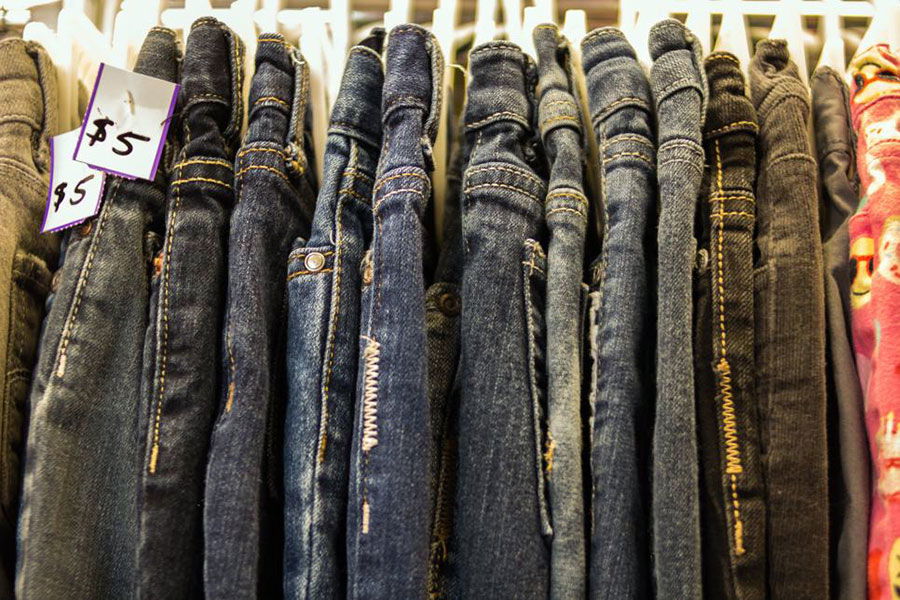
The clothes you no longer wear could be worth more than a few dollars, but the platform you choose can have a big effect on your final payout. A designer handbag, a vintage jacket, and a bundle of children’s clothes do not belong on the same marketplace.

We compared seller fees, shipping rules, payout timing, seller workload, buyer reach, and the types of clothing that fit each site. This guide ranks the five best places to sell used clothes online and explains how to price, list, ship, and protect each sale.
5 Best Places to Sell Clothes Online at a Glance
Each platform serves a different type of seller. Start with the option that matches your clothes and the amount of work you want to handle.
| Platform | Best For | Standard Seller Cost | Shipping | Typical Payout Timing | Main Drawback |
|---|---|---|---|---|---|
| Poshmark | Branded clothing, shoes, and accessories | $2.95 under $15; 20% on sales of $15 or more | Prepaid label; buyer usually pays | Funds release within three days of delivery | High fee on most sales |
| eBay | Rare, collectible, or high-demand items | Usually 13.6% plus $0.30 or $0.40 per order | Seller selects the service | Funds often become ready for payout within one to two days | More listing and shipping decisions |
| Depop | Vintage, streetwear, and trend-driven fashion | 3.3% plus $0.45 for U.S. sellers | Depop label or seller-arranged shipping | Usually two business days after delivery or 10 business days after sale | Strong photos and styling matter |
| ThredUp | A low-effort closet cleanout | Payouts range from 3% to 80%; service fees may apply | ThredUp supplies the label or bag | Processing alone can take four to five weeks | Low-value items may earn little or nothing |
| Facebook Marketplace | Local clothing bundles and lower-priced items | No platform fee for many local payments; 10% or $0.80 minimum for shipped checkout | Local pickup or shipping | Cash can be collected at pickup; shipped payouts take longer | Scams, no-shows, and limited seller support |
Fees were checked on August 2, 2026. Platform terms can change, so confirm the current rate before you list an item.
How We Chose the Best Sites to Sell Used Clothes
We focused on the factors that affect how much money reaches the seller and how much work each sale requires.
- Seller fees: We checked standard commissions, payment-processing charges, and optional promotion costs.
- Best clothing fit: We considered the brands, styles, and price points that suit each platform.
- Seller workload: We compared photography, listing, pricing, messaging, packing, and shipping duties.
- Payout process: We checked when each platform releases funds and how sellers can withdraw them.
- Buyer reach: We considered whether each site works best for local sales, national sales, or niche fashion buyers.
- Seller protection: We reviewed tracking, disputes, returns, and payment rules.
We did not rank a company based on a promise that every seller will earn the highest price. Demand, condition, size, season, and brand can change the result.
1. Poshmark: Best Overall for Branded Clothing
Poshmark works well for recognizable clothing brands, shoes, handbags, and accessories. You create the listing, choose the price, answer buyer questions, and package the order.
Poshmark supplies a prepaid USPS Ground Advantage label after the item sells. The standard shipping charge is $6.49, which the buyer usually pays.
The fee structure is simple. Poshmark charges $2.95 on sales under $15. It takes 20% of sales that reach $15 or more. Poshmark releases the seller’s money after the buyer accepts the order or after the three-day review period ends. Direct deposits normally take another two to three business days.
The platform also supports offers and bundles. Those tools can help you sell several items to one buyer and reduce the effect of shipping costs on lower-priced clothes.
Poshmark works best for these items:
- Recognizable brands: Lululemon, Madewell, Free People, Coach, Nike, and similar labels tend to attract direct searches.
- Shoes and accessories: Buyers often search by exact brand, model, size, and color.
- Closet bundles: Clothing in the same size, brand, or style can appeal to one buyer.
- Items worth at least $15: The flat $2.95 fee takes a large share of a very small sale.
The 20% commission is Poshmark’s biggest drawback. A $50 sale leaves you with $40 before any seller-paid discount or other cost. The platform makes the most sense when its buyer base and prepaid label justify that fee.
2. eBay: Best for Rare and High-Demand Clothing
eBay gives sellers broad control over pricing, shipping, returns, and listing format. It works especially well when a buyer might search for an exact product name, style number, collection, or year.
Most casual sellers receive up to 250 listings each month without an insertion fee. For most clothing categories, eBay charges 13.6% of the total transaction amount plus $0.30 for orders of $10 or less or $0.40 for orders over $10.
The fee can include the item price, shipping collected from the buyer, sales tax, and certain other charges. Handbags and some athletic shoes have different rates.
eBay generally makes funds ready for payout within one to two days after it confirms the buyer’s payment. Bank transfers can take another one to three business days after eBay starts the payout. New sellers and transactions under review may face longer holds.
You can list an item at a fixed price or use an auction. A fixed price usually makes sense when completed sales show a stable market value. An auction can work for a rare item that has several interested buyers, but it can also end at a disappointing price when demand is weak.
eBay works best for these items:
- Rare clothing: Discontinued styles, limited releases, and hard-to-find sizes can reach buyers outside your area.
- Vintage apparel: Buyers often search for exact eras, labels, materials, and measurements.
- Collectible shoes: Exact model names and style codes help buyers find the listing.
- Premium items: Higher sale prices can justify the time required for detailed photos and careful shipping.
Check completed sales before you set the price. Active listings show what sellers hope to receive. Completed sales show what buyers actually paid.
3. Depop: Best for Vintage and Trend-Driven Fashion
Depop attracts buyers who care about style, presentation, and current fashion trends. Vintage clothing, streetwear, Y2K fashion, reworked pieces, and distinctive accessories often fit the platform better than basic household clothing.
U.S. sellers do not pay Depop’s standard 10% selling fee. They pay a payment-processing fee of 3.3% plus $0.45.
Depop charges a 12% fee when an eligible sale comes through a boosted listing. That optional fee can sharply reduce the seller’s net amount, so calculate the likely payout before you promote an item.
Depop sends U.S. payouts to the seller’s balance two business days after tracking shows delivery or 10 business days after the sale, whichever happens first. Holds or account-verification issues can extend the timing.
Depop works best for these items:
- Vintage pieces: Strong decade, style, fabric, and fit details can help the right buyer find the item.
- Streetwear: Buyers often search for specific brands, drops, graphics, and silhouettes.
- Trend-based clothing: Current aesthetics can draw attention even when the brand is not expensive.
- Distinctive accessories: Bags, belts, hats, and jewelry can perform well when the photos show how the item looks.
Depop requires more visual effort than a managed consignment service. Clean photos, accurate measurements, and a clear style description can affect whether a buyer stops on your listing.
4. ThredUp: Best for a Low-Effort Closet Cleanout
ThredUp handles most of the sales process. You send eligible women’s and children’s clothing, shoes, handbags, and accessories. ThredUp inspects the items, takes the photos, sets the initial prices, creates the listings, and ships sold orders.
The convenience comes with lower control and less predictable earnings. Eligible payouts range from 3% to 80% of the sale price. Lower-priced items sit near the bottom of that range. Some value brands do not qualify for a payout unless the item sells above a set price.
ThredUp’s help center lists a $14.99 service fee for a Standard Clean Out and a $30 fee for Premium. Promotions can reduce or waive a fee, so check the amount shown when you request a bag or label.
Standard processing can take four to five weeks before accepted clothes reach the site.
ThredUp works best for these items:
- Premium women’s clothing: Better brands have a stronger chance of acceptance and a higher payout.
- Children’s clothing with resale demand: Condition and brand still matter.
- Shoes, bags, and accessories: These items can hold value better than basic fast-fashion clothing.
- Large closet cleanouts: The service saves time when you do not want to photograph and ship each piece.
Do not send items until you check ThredUp’s accepted categories and ineligible payout brands. You may lose control over clothes that ThredUp rejects, donates, recycles, or lists at a lower price than you expected.
5. Facebook Marketplace: Best for Local Clothing Sales
Facebook Marketplace can work well for local bundles, children’s clothes, seasonal outerwear, work uniforms, and lower-priced items that would not justify shipping.
Local buyers can inspect the clothes before they pay, and the seller can receive cash or another agreed payment at pickup.
Many local transactions do not carry a platform seller fee because the buyer and seller handle payment themselves. Eligible shipped orders through Facebook checkout carry a 10% seller fee or an $0.80 minimum. The fee applies to the total transaction value.
Facebook Marketplace works best for these items:
- Children’s clothing bundles: Group items by size and season.
- Lower-priced basics: Local pickup protects the seller from shipping costs that could erase the profit.
- Coats and bulky clothing: A local handoff can cost less than shipping.
- Items needed quickly: Uniforms, formalwear, and seasonal gear can attract nearby buyers.
Use a public meetup spot when possible. Keep early messages inside Facebook or Messenger. Do not trust screenshots that claim a payment was sent. Check the payment account itself before you hand over or ship the clothes.
Other Sites to Consider for Selling Used Clothes
The five platforms above will meet the needs of most sellers, but another marketplace may work better for certain items.
Mercari
Mercari is a general resale marketplace where you can list clothing, accessories, electronics, collectibles, and household items. Sellers create their own listings, set their prices, and choose whether they or the buyer will pay for shipping. Mercari currently charges a 10% seller fee based on the item price and any shipping paid by the buyer, so include that cost when you calculate your expected payout.
The RealReal
The RealReal is a managed consignment service for luxury clothing, handbags, shoes, watches, jewelry, and other designer items. The company handles authentication, pricing, photography, listings, and order fulfillment after it accepts an item. This service works better for eligible designer goods than ordinary mall brands, but your payout depends on the item category, selling price, and current commission structure.
Vestiaire Collective
Vestiaire Collective focuses on preowned designer and luxury fashion. Sellers create their own listings, and certain purchases go through an authentication process before they reach the buyer. The platform can help premium clothing and accessories reach buyers outside the United States, but it is less suitable for basic clothing with a low resale value.
VarageSale
VarageSale connects buyers and sellers through local communities. It can work for children’s clothing bundles, inexpensive basics, and other items that do not justify shipping costs, although buyer activity depends heavily on your location. Complete the exchange in a monitored public place, and confirm that you received the payment before you hand over the clothes.
Crediful’s guide to the best online consignment shops covers more options for luxury clothing, local sales, and managed consignment.
How to Choose the Right Place to Sell Your Clothes
The best site depends on the item, expected price, and time you want to spend on the sale. Ask these questions before you list anything:
- What is the likely sale price?: A low-priced item may work better in a local bundle because shipping and fees can consume most of the proceeds.
- Does the brand have direct search demand?: Poshmark and eBay often suit items that buyers search for by exact brand and style.
- Is the item vintage or trend-based?: Depop can provide a better audience for fashion that depends on presentation and aesthetics.
- Do you want to handle each sale?: ThredUp removes much of the work, but it also removes pricing control and can pay less.
- Is the item expensive or easy to counterfeit?: An authenticated luxury marketplace may give buyers more confidence.
- How quickly do you need the money?: A local sale can close the same day. A consignment service may take weeks or months.
You do not need to list every item on the same platform. Sort your clothes into groups first. Send premium items to the marketplace that fits the brand and sell low-value basics in local bundles.
How Much Can You Make Selling Used Clothes Online?
There is no reliable rule that says used clothes sell for one-third of the original price. The result depends on brand, condition, size, season, demand, fabric, color, and recent sales of the same item.
This table shows rough proceeds before seller-paid shipping, packaging, promotions, refunds, or taxes. The eBay estimate uses the common 13.6% rate and a $0.40 per-order charge. Actual eBay fees can be higher because the percentage can apply to shipping and sales tax.
| Gross Sale Price | Poshmark | eBay | Depop | Facebook Shipped Checkout |
|---|---|---|---|---|
| $20 | $16.00 | About $16.88 | About $18.89 | About $18.00 |
| $50 | $40.00 | About $42.80 | About $47.90 | About $45.00 |
| $100 | $80.00 | About $86.00 | About $96.25 | About $90.00 |
ThredUp does not fit this table because its payout percentage changes with the item’s selling price, and a service fee may apply to the full Clean Out bag.
A closet cleanout can cover a bill or fund a savings goal, but it is not predictable monthly income. Add the money to your monthly budget after the sale closes. Do not count an asking price as income.
How to Price Used Clothes Based on Real Sales
Start with completed sales for the exact item or the closest match you can find. Match the brand, style, size, condition, and color as closely as possible.
Use this process:
- Search the exact item: Use the product name, style number, or other identifying details.
- Filter the results: Select sold or completed listings when the platform supports that filter.
- Compare the condition: Ignore listings with major condition differences.
- Review recent sales: Check at least five results when enough data exists.
- Calculate the net amount: Subtract platform fees, shipping, packaging, and promotion costs.
- Leave room for offers: Add a small cushion when buyers commonly negotiate on the site.
Price can also depend on season. Coats may attract more interest before cold weather. Formalwear can sell near graduation and wedding seasons. Children’s bundles may move faster before a school term begins.
How to Create a Clothing Listing That Attracts Buyers
A buyer cannot inspect the item in person. Your photos and description must answer the questions that the buyer would ask in a store.
Use these listing practices:
- Clean the item: Wash or dry-clean it when the care label permits. Remove lint and empty the pockets.
- Photograph every side: Show the front, back, labels, closures, soles, and any wear.
- Use clear light: Natural light near a window can show color and condition more accurately.
- Add measurements: Include chest, waist, rise, inseam, sleeve, and length measurements where they apply.
- Name the exact item: Add the brand, product name, style number, size, color, fabric, and fit.
- Describe the condition: State whether the item is new with tags, new without tags, excellent, good, or fair.
- Disclose flaws: Show stains, pilling, loose threads, missing buttons, worn heels, repairs, and odors.
- Add accurate search terms: Include terms such as straight-leg, linen, cropped, or vintage when they fit the item.
- Avoid keyword stuffing: Unrelated brand names can frustrate buyers and may break platform rules.
Do not call an item “like new” when it has visible wear. Clear condition details reduce return claims and protect your seller rating.
How Shipping, Returns, and Seller Protection Work
Read the platform’s rules before your first sale. A mistake with weight, tracking, or packaging can reduce the payout or weaken your position in a dispute.
Follow these steps:
- Weigh the packed item: The shipping weight includes the mailer, box, tissue paper, and other packaging.
- Use the correct label: Confirm that the package type and weight meet the label’s limits.
- Ship within the required period: Late shipping can lead to cancellation, delayed payment, or a poor review.
- Keep tracking records: Drop the package at a staffed counter when the item has a high value.
- Photograph the packed order: Photos can help when a buyer claims that an item or accessory was missing.
- Keep communication on the platform: The message record can support a dispute.
- Read the return policy: Some platforms allow returns only when an item differs from the listing. Others give sellers more control over return terms.
Do not move payment off the platform for a shipped order. You can lose seller protection and make it harder to prove what happened.
How to Avoid Scams When You Sell Clothes Online
Most sales are routine, but common scams target new sellers. Stop the transaction when a buyer asks you to ignore the platform’s normal checkout or messaging process.
Watch for these warning signs:
- Fake payment messages: A buyer sends an email or screenshot that says you were paid, but the money does not appear in your account.
- Verification-code requests: A stranger asks for a code sent to your phone or email.
- Overpayment claims: A buyer says they paid too much and asks you to send part of the money back.
- Off-platform links: A buyer sends a link that asks for your password, card details, or bank information.
- Unusual shipping requests: A buyer asks you to send the item to an address that does not match the order.
- Pressure to act fast: A buyer pushes you to ship or meet before payment clears.
- Unsafe meetup plans: A buyer refuses a public location or asks you to come alone to a private place.
For local sales, tell another person where you will be and meet during daylight when possible. Use a police station or another monitored public location when your community provides one.
Do You Pay Taxes When You Sell Used Clothes Online?
You usually do not owe federal income tax when you sell personal clothes for less than you originally paid. A personal loss is not deductible. A profit on a personal item is taxable.
Online marketplaces generally must issue Form 1099-K when payments for goods and services exceed $20,000 and include more than 200 transactions. A marketplace can still send the form below those limits.
The form reports gross payments, not taxable profit.
Keep records that show:
- Original cost: Save receipts when you have them.
- Sale proceeds: Record the item price and shipping amount collected.
- Platform fees: Save statements that show commissions and processing charges.
- Selling costs: Track postage, packaging, promotion costs, and refunds.
- Item purpose: Note whether the clothing came from your personal closet or was bought for resale.
Regular purchases of clothing for resale can look more like a business than a closet cleanout. Business sellers can face different tax and recordkeeping rules. A tax professional can help when you sell for profit on a regular basis.
Which Clothing Resale Site Should You Choose?
Choose Poshmark for branded clothing and a simple prepaid shipping process. Choose eBay for rare items and exact product searches. Choose Depop for vintage pieces and trend-based fashion. Choose ThredUp when convenience matters more than price control. Choose Facebook Marketplace for local bundles and lower-priced clothes.
Start with your five best items. Check completed sales, calculate the likely net amount, and list them on the platform that fits each one. You can adjust the price or move an unsold item later.
Clothing sales can ease a short-term cash gap, but your closet has a limit. If you need to sell possessions each month to cover regular bills, use the proceeds as temporary help and review Crediful’s steps to stop living paycheck to paycheck.
Frequently Asked Questions
Is it better to sell clothes individually or in bundles?
Sell high-value, branded, or distinctive pieces one at a time. Bundle lower-priced basics by size, season, brand, or clothing type. Calculate the shipping weight before you set a bundle price.
Can you sell clothes without the original tags?
Yes. Most resale sites accept used clothes without retail tags. Photograph the brand, size, fabric, and care labels that remain. State clearly that the item does not have its original sales tags.
Should you list the same clothes on more than one platform?
Cross-listing can reach more buyers, but you must remove the other listings as soon as an item sells. A second sale for an item you no longer have can lead to a cancellation and harm your seller account.
How long should you wait before lowering the price?
Review the listing after two to four weeks. Check whether similar items sold during that period. Replace weak photos, improve the title, or add measurements before you cut the price. Seasonal items may need more time when demand is low.