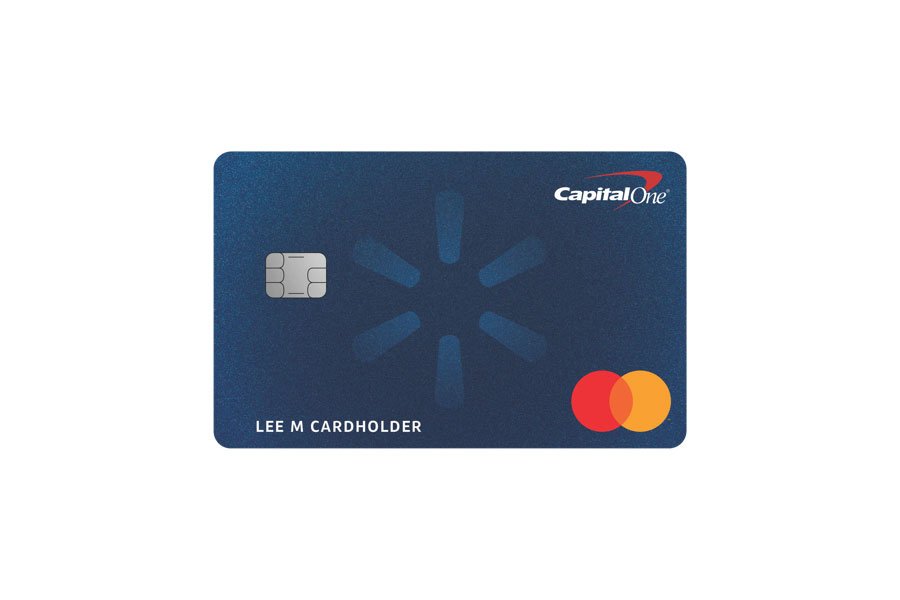
Capital One doesn’t publish a minimum credit score for the Capital One Platinum Credit Card. The issuer lists the card for people with fair credit, but it also says you don’t need a credit score to be approved.

That makes the Platinum different from cards that mainly target applicants with long, established credit histories. It can work for someone with fair credit or a limited credit history who wants an unsecured card with no annual fee and no security deposit.
What Credit Score Do You Need for the Capital One Platinum Card?
There isn’t an official minimum credit score for the Capital One Platinum Credit Card.
You’ll often see 580 mentioned as the minimum because that falls within the FICO fair credit range. Current third-party card reviews commonly recommend fair credit for the Platinum, with estimated ranges that can start around 580.
That doesn’t mean Capital One requires a 580 credit score.
Someone with a credit score below 580 may qualify, and someone with a credit score well above 600 can still be declined. Capital One can consider information from your application and credit reports instead of making the decision from one number.
If you want a practical benchmark, fair credit can put you in the range this card is designed to serve. Your best indicator, though, is Capital One’s own eligibility check rather than an unofficial credit score cutoff.
Capital One Defines Fair Credit Differently Than a Credit Score Range
Capital One doesn’t define its card eligibility levels only by credit score.
Its current credit-level guidelines say you may fit its fair-credit category if you’ve defaulted on a loan within the past five years or if you have a limited credit history.
Capital One considers credit history limited when you’ve had your own credit card or other credit for less than three years. That can include students, people who are new to the United States, and people whose experience comes mainly from being authorized users.
This matters because someone can have a decent credit score without much history behind it. Another applicant can have a lower credit score but enough information in the rest of the credit profile to qualify.
The Platinum card is built for that middle ground.
Can You Get the Capital One Platinum Without a Credit Score?
Possibly. Capital One specifically states on its fair-credit card page that you don’t need a credit score to be approved.
That can make the Platinum worth checking if you have a thin credit file or haven’t generated a traditional credit score yet.
No credit score doesn’t mean no review. Capital One can still review information from your application and any credit history that does exist.
You’ll generally need to provide personal and financial information such as your income and housing costs. Capital One can use those details with information from your credit reports when it makes a decision.
Check Whether You’re Eligible Before You Accept the Card
Capital One gives you a way to check your eligibility without hurting your credit scores.
Its current process can show which Capital One cards you’re eligible for before you accept an offer. Capital One says the eligibility check uses a soft credit inquiry, so it doesn’t lower your credit scores.
That makes this especially useful for someone with fair or limited credit. There’s little reason to guess whether your credit score is high enough when you can check first.
If the Platinum appears as an offer and you decide to accept it, Capital One can then perform a hard credit inquiry. A hard inquiry may cause a small temporary change to your credit score.
Checking eligibility isn’t the same as opening the account. Review the card terms before you accept an offer.
What Else Can Affect Capital One Platinum Approval?
Capital One evaluates creditworthiness from information in your application and credit reports. Your credit score may be part of that review, but it isn’t the only factor.
Several areas can affect your application:
- Payment history: Recent late or missed payments can weaken your credit profile. Consistent on-time payments can help.
- Income: Capital One can consider whether your income supports another credit account.
- Housing costs: Your monthly rent or mortgage payment affects how much room you have for additional debt.
- Existing debt: Large balances and monthly debt obligations can make another credit account harder to support.
- Credit utilization: High revolving balances relative to your credit limits can hurt your credit score and indicate heavy reliance on credit.
- Recent applications: Multiple hard inquiries in a short period can show that you’ve recently sought several new accounts.
- Credit history: Capital One can consider both the length of your credit history and how you’ve handled existing accounts.
You don’t need every part of your credit profile to be perfect. The Platinum card exists specifically for people who may not qualify for Capital One cards that require good or excellent credit.
Capital One Platinum vs. Platinum Secured
The Capital One Platinum and Capital One Platinum Secured have similar names, but they’re different products.
The regular Platinum is unsecured. You don’t have to send Capital One a security deposit before you can use the account.
The Platinum Secured requires a refundable deposit. Current deposit amounts can be $49, $99, or $200 for a starting credit line of at least $200. The amount depends on the terms Capital One offers you.
Capital One lists the regular Platinum for fair credit and the Platinum Secured for rebuilding credit.
That makes the eligibility check useful if you’re unsure which card fits your current credit profile. You may find that you qualify for the unsecured Platinum and don’t need to tie up money in a deposit.
What Does the Capital One Platinum Card Offer?
The Platinum is deliberately simple. It doesn’t pay cash back, points, or miles.
Its main features are aimed at people who want to establish a stronger credit history without paying an annual fee.
- $0 annual fee: You don’t have to pay a yearly fee to keep the account open.
- No security deposit: The regular Platinum is an unsecured credit card.
- Credit reporting: Responsible account use can help establish positive credit history as Capital One reports account information to the credit bureaus.
- Automatic credit line consideration: Capital One can consider you for a higher credit line in as little as six months.
- CreditWise access: Capital One provides access to CreditWise for credit monitoring and credit score information.
- Fraud protection: Capital One provides $0 fraud liability for unauthorized purchases.
The tradeoff is straightforward. You aren’t getting rewards in exchange for the card’s relatively accessible credit requirements.
How the Automatic Credit Line Review Works
Capital One automatically considers Platinum cardholders for a higher credit line in as little as six months.
An increase isn’t guaranteed.
Capital One can look at factors such as your payment history, how much you use the account, your income, your credit score, and how you manage your balances when it considers a credit line change.
If your credit line increases while your spending stays about the same, your credit utilization may fall. That can help your credit profile.
For example, a $300 balance on a $500 credit limit represents 60% credit utilization. The same $300 balance on a $1,000 limit represents 30%.
A higher limit won’t help if you increase your balance by the same amount. The benefit comes from having more available credit without adding more debt.
The Interest Rate Makes Carrying a Balance Expensive
The Platinum can help you establish credit, but it isn’t a low-interest credit card.
The current purchase APR is 28.99% variable. There’s no introductory 0% APR period on the standard Platinum offer.
That makes paying your statement balance in full especially important.
You don’t need to carry a balance from month to month to build credit. Carrying a balance can cost you interest without providing an extra credit score benefit.
A simple approach works well with this card. Put a few purchases on it that fit your normal budget, wait for the statement, and pay the statement balance in full by the due date.
How to Put Yourself in a Better Position Before You Check Eligibility
You can check your Capital One eligibility without affecting your credit scores, so you don’t need to wait for an exact credit score.
Still, fixing obvious problems first can give you a stronger credit profile.
- Review your credit reports: Check your credit reports from Experian, Equifax, and TransUnion for accounts you don’t recognize, incorrect balances, inaccurate late payments, and other errors.
- Lower revolving balances: Paying down credit card balances can reduce your credit utilization after the new balances reach the credit bureaus.
- Keep payments current: Make at least the required payment on every account by the due date.
- Limit unnecessary applications: Avoid adding hard inquiries for accounts you don’t need.
- Dispute inaccurate information: Contact each credit bureau that displays incorrect or incomplete information.
- Check Capital One eligibility first: See whether the Platinum appears among your offers before you accept a card and trigger a hard inquiry.
If the Platinum doesn’t appear, that gives you useful information without adding another hard inquiry to your credit report.
Ready to take action on your credit?
Get your personalized plan in 30 seconds. Free, no credit check.

When the Capital One Platinum Makes Sense
The Capital One Platinum makes the most sense when your priority is getting an unsecured card that can help you establish a stronger credit history.
It has no annual fee and no security deposit, but it also has no rewards. If you can already qualify for a no-annual-fee rewards card, there may be little reason to choose the Platinum instead.
If your credit history is limited or your credit falls into Capital One’s fair-credit category, the card fills a more useful role. Responsible use can add positive payment history, and Capital One can consider you for a higher credit line in as little as six months.
Don’t wait for your credit score to reach 580, 630, or another arbitrary number before you check. Capital One doesn’t publish a minimum credit score for the Platinum, and its eligibility check can tell you far more about your chances than an unofficial credit score estimate.