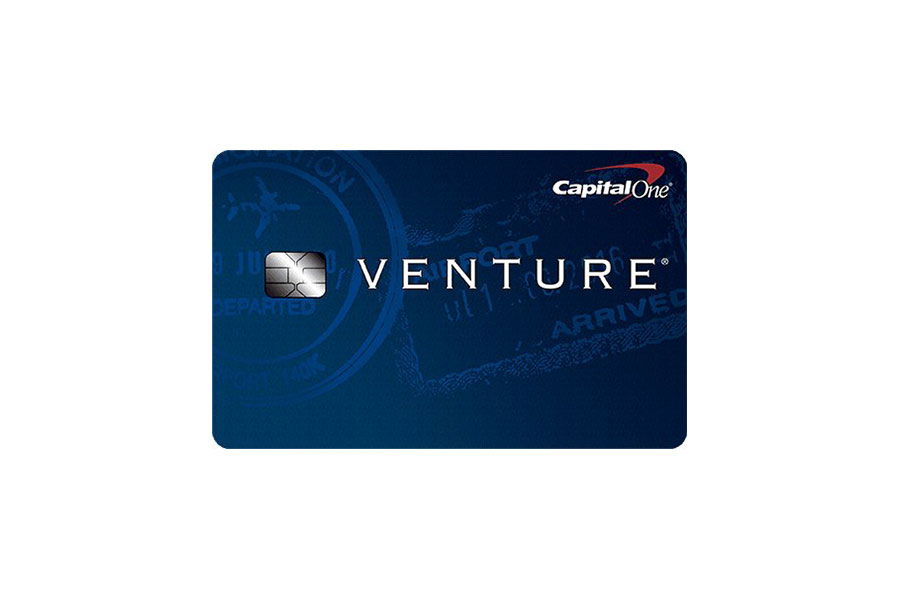
The Capital One Venture Rewards Credit Card is a popular choice for travelers looking to earn unlimited miles on every purchase. With flexible redemption options and travel perks, this card is ideal for those who want to maximize their spending rewards.
Before applying, it’s important to know the credit score requirements and other factors that affect approval. While credit score plays a key role, lenders also consider income, debt levels, and overall financial history. Taking steps to strengthen your profile before applying can help improve your chances of qualifying.
What Credit Score Is Needed for a Capital One Venture Rewards Credit Card?
The Capital One Venture Rewards Credit Card is one of the most popular travel cards out there, and for good reason. You earn unlimited miles on every purchase, redemption is flexible, and the card doesn’t lock you into a single airline or hotel program. But it’s pitched at travelers with solid credit, so knowing where you stand before applying matters.
This article covers the credit score you’ll need, what else Capital One evaluates, and how to improve your profile before you submit an application.
What Credit Score Does the Capital One Venture Require?
Most approved applicants have a credit score of 700 or higher. That puts the Venture card in the good-to-excellent credit tier, which is consistent with where Capital One positions it as a mid-to-premium travel card.
Scores below 700 aren’t an automatic denial, but the odds drop meaningfully as you move further from that threshold. A stronger score also tends to result in a higher starting credit limit, which matters if you plan to put significant travel spending on the card.
What Else Does Capital One Look At?
Capital One reviews your full financial profile alongside your score. These are the factors that carry the most weight:
- Income: A higher income relative to your existing debt load signals that you can manage a new credit line without strain.
- Payment history: On-time payments are the strongest positive signal in your profile. Recent late payments or collections can offset an otherwise decent score.
- Credit utilization: High balances relative to your credit limits suggest financial strain. Keeping usage below 30% helps, and below 10% is better.
- Recent inquiries: Several hard inquiries in a short window can flag you as higher risk. Space out credit applications when possible.
- Existing Capital One relationship: If you have a Capital One account in good standing, that history can support your application.
Capital One’s One-Card-Per-Six-Months Rule
Capital One informally limits most applicants to one new Capital One card every six months. This isn’t a hard published policy, but it’s consistently reported across applicant experiences. If you’ve opened a Capital One card recently, waiting until that window passes before applying for the Venture gives you a better shot.
It’s also worth knowing that Capital One typically pulls from all three credit bureaus when you apply, rather than just one. That means the hard inquiry shows up across Equifax, Experian, and TransUnion simultaneously. It’s not a reason to avoid applying, but it’s useful context.
Use Capital One’s Pre-Approval Tool First
Before submitting a full application, use Capital One’s pre-approval tool. It runs a soft pull that has no effect on your credit score and gives you a reasonable signal of whether you’re likely to qualify. If the tool doesn’t return a match for the Venture card, that’s useful information before committing to a hard inquiry.
Pre-approval isn’t a guarantee, but it filters out the most obvious mismatches and saves your score from an unnecessary hit.
How to Strengthen Your Profile Before Applying
If your score or profile needs work, these steps are the most effective levers to pull. Most show results within two to three months.
- Pay down revolving balances: Reducing your credit card balances lowers your utilization ratio, which can lift your score faster than most other actions.
- Pay every bill on time: Payment history makes up about 35% of your score. Autopay for minimums removes the risk of a missed payment affecting your application.
- Keep older accounts open: Closing old accounts shortens your credit history and raises your utilization ratio at the same time. Both hurt your score.
- Dispute errors on your credit report: Pull your reports from all three bureaus and flag anything inaccurate. Incorrect negative items can suppress your score without cause.
- Hold off on other applications: Each hard inquiry has a small negative effect on your score. Avoid applying for other credit in the months before you apply for the Venture.
Ready to take action on your credit?
Get your personalized plan in 30 seconds. Free, no credit check.

What Do You Get with the Capital One Venture Card?
The Venture card earns two miles per dollar on every purchase, with no category restrictions. Miles can be redeemed against travel purchases at a fixed rate, transferred to Capital One’s airline and hotel partners, or used to cover recent travel charges on your statement.
The card carries a $95 annual fee and comes with a welcome bonus for new cardholders who meet the spending threshold in the first few months. Additional perks include up to $100 in Global Entry or TSA PreCheck credits, no foreign transaction fees, and travel accident insurance. For frequent travelers, the annual fee is easy to justify.
Bottom Line
The Capital One Venture Rewards Credit Card is a strong option for travelers who want simple, flexible rewards without the complexity of category bonuses or airline-specific programs. A credit score of 700 or higher puts you in a solid position to qualify.
If you’re not there yet, use the time to pay down balances, protect your payment history, and let your profile strengthen. When you’re ready, start with Capital One’s pre-approval tool before committing to a full application. It’s a low-risk way to gauge where you stand.