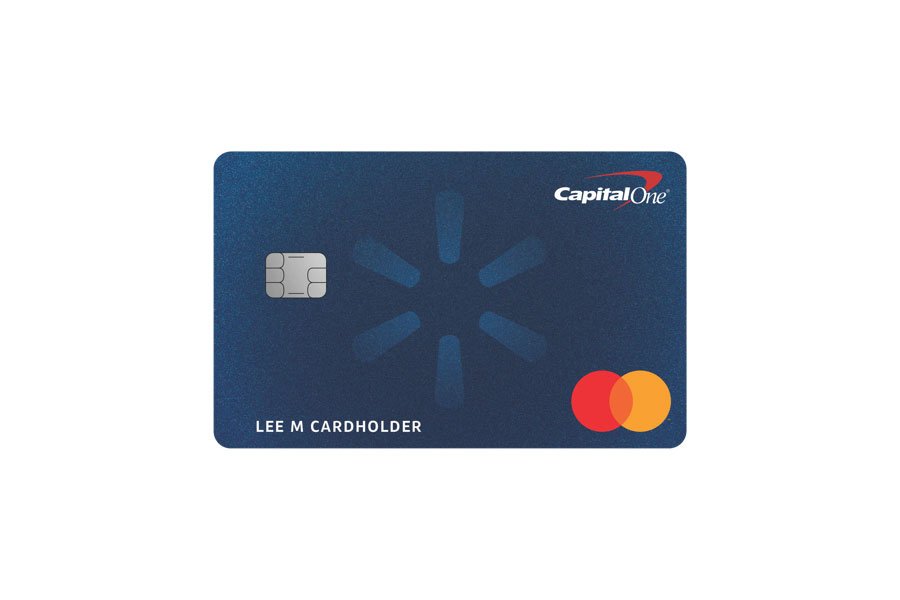
The Capital One Quicksilver Cash Rewards Credit Card keeps earning simple. Cardholders receive the same base cash-back rate on everyday purchases without tracking categories or paying an annual fee.
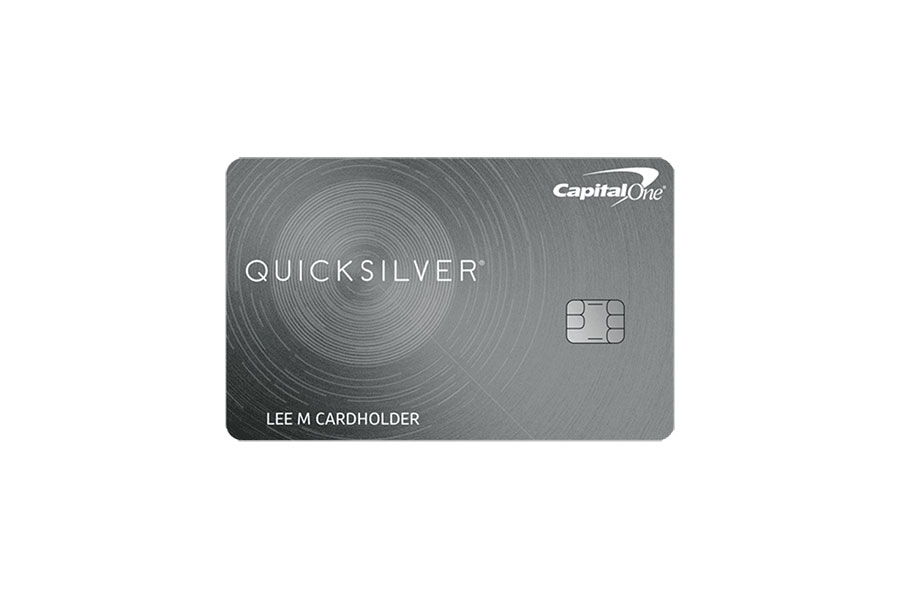
Capital One offers several cards with the Quicksilver name, though. Each version has different credit expectations, fees, and introductory benefits. Choosing the correct one can prevent an unnecessary application for a card that doesn’t match your credit profile.
What Credit Score Do You Need for Capital One Quicksilver?
Capital One doesn’t publish a firm minimum credit score for the standard Quicksilver Cash Rewards Credit Card. The issuer describes this version as a card for people with excellent credit.
A credit score of at least 720 may provide a competitive chance of approval. Applicants with credit scores from 700 to 719 may still qualify when the rest of their financial profile is strong.
| Credit Score Range | Estimated Approval Outlook |
|---|---|
| 740 or higher | Strong, based on the complete application |
| 720 to 739 | Competitive |
| 700 to 719 | Possible with other financial strengths |
| 670 to 699 | Quicksilver for Good Credit may be more realistic |
| Below 670 | Another Quicksilver version may fit better |
These ranges are estimates, not official Capital One requirements. Capital One can approve or deny applicants at any credit score level.
Someone with a 705 credit score, low debt, and years of on-time payments may have a stronger application. This is compared to someone with a 750 credit score who recently missed payments or opened several accounts.
Which Capital One Quicksilver Card Fits Your Credit?
The Quicksilver name applies to several cards. Their rewards may look similar, but their approval standards and costs differ.
Capital One Quicksilver Cash Rewards
The standard Quicksilver targets applicants with excellent credit. It has no annual fee, a welcome bonus for eligible new cardholders, and an introductory annual percentage rate offer.
This is the version most people mean when they refer to the Capital One Quicksilver Card.
Quicksilver Rewards for Good Credit
Capital One also offers a Quicksilver version for applicants with good credit. It earns unlimited 1.5% cash back and has no annual fee, but it may not include the same welcome bonus or introductory annual percentage rate as the excellent-credit version.
This card may be a better match for applicants whose credit scores fall below the standard Quicksilver’s expected range.
Capital One QuicksilverOne
QuicksilverOne is designed for fair credit. It earns unlimited 1.5% cash back but charges a $39 annual fee.
The annual fee means you would need to spend at least $2,600 each year at the 1.5% rate to earn $39 in cash back and offset the fee.
Quicksilver Student
Quicksilver Student is intended for eligible students and people who are beginning to establish credit. It has no annual fee and earns unlimited 1.5% cash back.
Capital One states that no credit score is required to apply, though it may consider a credit score when one is available.
Quicksilver Secured
Quicksilver Secured requires a refundable minimum security deposit of $200. It earns unlimited 1.5% cash back and is designed to help establish or rebuild credit through responsible use.
A secured card may be more attainable when an unsecured Quicksilver card isn’t currently available.
Not sure where to start with your credit?
Answer a few simple questions and get a free step-by-step plan to rebuild your credit.
Is a 700 Credit Score Enough for Quicksilver?
A credit score of 700 may be enough for some applicants, but it may fall below the strongest range for the standard Quicksilver offer.
Capital One may instead match you with Quicksilver Rewards for Good Credit. That card provides the same basic 1.5% cash-back rate without an annual fee, though the introductory offer may differ.
An applicant near 700 may have better odds when the credit profile includes:
- Low credit utilization: Credit card balances use only a small portion of total limits.
- Clean payment history: No recent late payments or collection accounts appear.
- Stable income: Reported income supports current obligations and another credit account.
- Limited new credit: Few hard inquiries or recently opened accounts appear.
- Established accounts: Older accounts show consistent credit management.
Capital One may also consider your history with its other credit cards. A prior account in poor standing can hurt an otherwise acceptable application.
How Capital One Preapproval Works
Capital One lets you check for preapproved cards without affecting your credit score. The process asks for personal and income information, then shows cards for which Capital One expects to approve you.
Capital One’s current process allows eligible consumers to review the terms and accept a card without completing a separate application after preapproval.
Use preapproval before choosing between the Quicksilver versions. You may discover that Capital One matches you with:
- Standard Quicksilver
- Quicksilver for Good Credit
- QuicksilverOne
- Quicksilver Secured
- Another Capital One card
A listed offer is more helpful than relying only on an estimated credit score requirement.
What Else Does Capital One Consider?
Capital One reviews more than the number attached to your credit score.
The decision may include:
- Income: Capital One must decide whether you can repay new charges.
- Existing debt: High monthly obligations can leave less room for another payment.
- Payment history: Late payments, collection accounts, and charge-offs may hurt your chances.
- Credit utilization: High balances can indicate increased reliance on credit.
- Recent applications: Several new accounts or inquiries may weaken your profile.
- Credit history length: Older accounts provide more evidence of how you manage credit.
- Capital One history: Past account restrictions, late payments, or charge-offs may affect the result.
Capital One may approve an application with a smaller credit limit than expected. A low limit can cause high credit use after one large purchase.
How to Improve Your Quicksilver Approval Odds
Review the issues that are most likely to affect your application before checking for offers.
- Reduce revolving balances: Lower balances may improve your credit ratio and monthly cash flow.
- Pay before statement closing dates: Earlier payments may reduce the amounts sent to the credit bureaus.
- Make every payment on time: A new late payment can cause serious damage.
- Correct credit report errors: Dispute accounts, balances, or payment records that are inaccurate.
- Pause other applications: Additional hard inquiries and new accounts may reduce your chances.
- Keep older accounts open when practical: Older accounts can support credit history length and total available credit.
- Report eligible income correctly: Include income that the application permits you to report and that you can reasonably access.
Don’t treat 30% credit utilization as an ideal target. Lower reported balances are generally better. Credit utilization below 10% may support a stronger application.
Only dispute information that is inaccurate, incomplete, or not yours.
What Benefits Does Capital One Quicksilver Offer?
The standard Quicksilver currently earns unlimited 1.5% cash back on every purchase. It also earns elevated cash back on eligible Capital One Travel and Capital One Entertainment purchases.
Current benefits include:
- No annual fee: The standard Quicksilver has no yearly card fee.
- Welcome bonus: Eligible new cardholders can earn $200 after spending $500 within three months.
- Introductory financing: The card currently offers a low introductory annual percentage rate for 15 months.
- Flat cash back: Purchases earn the same base rate without categories or spending caps.
- Flexible redemptions: Cash back can generally be redeemed in different amounts rather than only at fixed thresholds.
Promotional terms can change. Review the exact offer shown through preapproval before accepting the card.
Ready to take action on your credit?
Get your personalized plan in 30 seconds. Free, no credit check.
Is Capital One Quicksilver Worth Applying For?
The standard Quicksilver may suit someone with excellent credit who wants uncomplicated cash back, no annual fee, and an introductory offer. Its 1.5% base rate is easy to use, though some competing cards earn 2% on general purchases.
Applicants with good credit should compare the standard card with Quicksilver for Good Credit. Those with fair credit should examine whether QuicksilverOne’s rewards justify its $39 annual fee.
Aim for a credit score of at least 720 for the standard Quicksilver offer. Use Capital One’s preapproval process before making a decision, since it may match you with the Quicksilver version that best fits your credit profile.