The PayPal Cashback Mastercard is one of the cleaner flat-rate cash back cards available. Unlimited 2% back on every purchase, no annual fee, no rotating categories, and no cap on earnings. For cardholders who want a single card that handles everything without any optimization required, that structure is genuinely appealing.
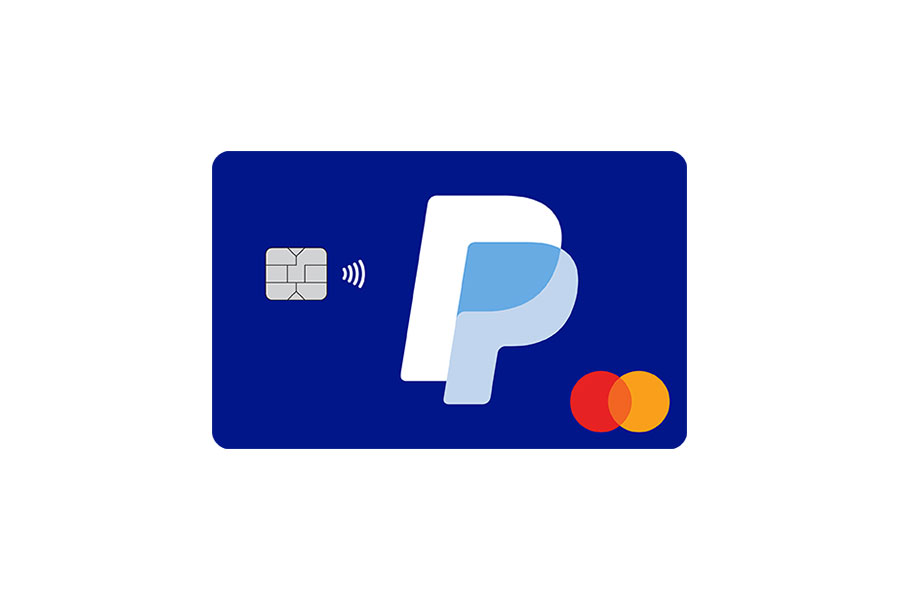
The card is issued by Synchrony Bank, which adds a layer worth knowing before you apply. Synchrony’s typical retail card approval process is automated and accessible to fair credit applicants. The PayPal Cashback Mastercard operates at a higher credit tier than Synchrony’s standard retail products, which changes the approval dynamic meaningfully.
Recommended Credit Score for the PayPal Cashback Mastercard
Most approved applicants carry a credit score of 700 or higher. That puts the PayPal Cashback Mastercard in the good credit tier, which is notably higher than the 600 to 640 threshold you’d encounter on Synchrony’s store card products.
The open-loop Mastercard network acceptance is the primary reason for the higher bar. Synchrony is extending purchasing power that works everywhere rather than at a single retailer, which justifies a stricter approval standard than their closed-loop products.
Applicants with credit scores in the mid-600s report occasional approvals when income is strong and recent payment history is spotless, but 700 is the more reliable benchmark to target before applying.
How the PayPal Cashback Mastercard Fits Into a Broader Strategy
The 2% flat rate puts the PayPal card in direct competition with other no-annual-fee flat-rate cards like the Wells Fargo Active Cash and the Citi Double Cash. All three earn 2% back on everything with no annual fee, but they differ in how cash back is accessed and redeemed.
The PayPal card deposits cash back directly into your PayPal account, which is its most distinctive characteristic. For frequent PayPal users who already route spending through the platform, that integration is seamless. For cardholders who don’t actively use PayPal, the redemption structure is less convenient than a direct statement credit or bank deposit, which is how competing flat-rate cards typically deliver cash back.
If your spending patterns don’t naturally involve PayPal, comparing the PayPal card against the Wells Fargo Active Cash or Citi Double Cash before applying is worth the few minutes it takes. All three carry no annual fee and earn the same rate, but the redemption experience differs in ways that matter for everyday use.
What Else Does Synchrony Bank Look At?
Synchrony’s review process for the PayPal card differs from their standard retail card underwriting in a few important ways. These factors carry the most weight:
- Income relative to existing debt: Synchrony wants to see that your monthly obligations leave meaningful room for a new open-loop credit line. The higher credit threshold reflects a more rigorous income review than their store card products typically involve.
- Recent payment behavior: The past twelve months carry more weight than your overall credit history. A late payment during that window raises concerns that a 700 credit score alone won’t resolve.
- Prior Synchrony history: Synchrony maintains internal records across all their issued cards. A prior account in good standing supports this application, while a negative history with any Synchrony product can affect the outcome regardless of your current credit score.
- Credit utilization: Keeping total utilization below 30% across all accounts presents a stable picture to Synchrony’s review process. High utilization raises concerns even when the credit score qualifies.
- Active derogatory marks: An open collection account is one of the most common denial reasons at this credit tier. Resolving those before applying removes a significant obstacle.
How to Strengthen Your Application Before Applying
These steps address the factors Synchrony weighs most heavily for the PayPal card:
- Check for prior Synchrony account issues: A previous Synchrony card that went negative can affect this application regardless of your current credit score. Resolving any prior Synchrony history before applying gives you a cleaner starting point with this issuer.
- Get your credit score to 700 before applying: The gap between 680 and 700 matters more for an open-loop Synchrony product than it does for their store cards. Paying down revolving balances is the fastest reliable path to closing that gap.
- Establish a clean recent payment record: Six to twelve months of on-time payments across all accounts sends a strong signal to Synchrony’s review process regardless of what your credit report shows before that window.
- Resolve active collection accounts: An open collection is one of the most common denial reasons at this credit tier. Settling it before applying removes that obstacle from Synchrony’s review.
- Pull all three credit reports and dispute errors: Equifax, Experian, and TransUnion each maintain independent credit reports. An inaccurate negative item on one won’t automatically appear on the others. Dispute errors directly with each bureau reporting them.
Ready to take action on your credit?
Get your personalized plan in 30 seconds. Free, no credit check.
Bottom Line
The PayPal Cashback Mastercard is a strong flat-rate cash back card for frequent PayPal users who want their rewards deposited directly into their PayPal account. A credit score of 700 or above puts you in range, and a clean recent payment history with no unresolved Synchrony issues strengthens your position further.
If you don’t actively use PayPal, comparing this card against competing flat-rate options before applying is worth the effort. The earning rate is identical across the top no-annual-fee flat-rate cards, but the redemption experience differs in ways that matter once you’re actually using the card.