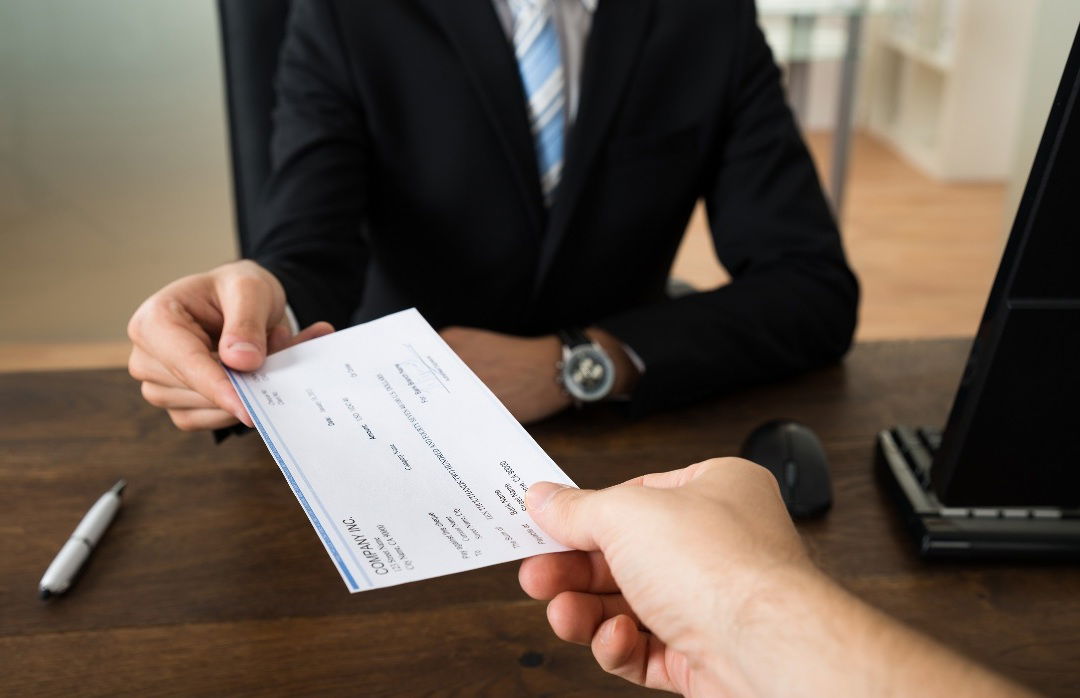
Money orders are one of the most reliable ways to send a guaranteed payment. Millions of Americans use them every year to pay rent, cover bills, or send money without a bank account. Unlike personal checks, money orders are prepaid, so they can’t bounce. Unlike cash, they can be tracked and replaced if lost or stolen.

Finding a place to buy one is easy. Finding the right place, one with low fees, a high enough limit, and hours that work for you, takes a little more research. We verified fees, limits, and providers for 18 locations so you don’t have to guess.
What to Know Before You Buy
Most money orders in the U.S. are issued through one of three sources: Western Union, MoneyGram, or the U.S. Postal Service. Western Union and MoneyGram operate through retail partners like grocery stores, pharmacies, and convenience stores. USPS issues its own Postal Money Orders directly at post office locations.
A few things to keep in mind before you head out. Credit cards are almost never accepted for money order purchases. Most locations require cash, and some also take debit cards. Per-order limits typically cap at $500 or $1,000. If you need to send more than that, you can purchase multiple money orders in one visit. Always bring a valid photo ID, especially for larger amounts.
18 Places to Get a Money Order
Here’s a comparison table, followed by details on each location.
| Location | Provider | Fee | Limit Per Order | Payment Methods |
|---|---|---|---|---|
| Walmart | Western Union | Up to $1.00 | $1,000 | Cash, Debit Card |
| Kroger | Western Union | $0.84 – $0.88 | $1,000 | Cash, Debit Card |
| Meijer | Western Union | $0.65 | $500 | Cash, Debit Card |
| Publix | Western Union | $1.00 | $500 | Cash, Debit Card |
| Albertsons | Western Union | Around $1.00 | $1,000 | Cash, Debit Card |
| H-E-B | Western Union | $1.25 | $1,000 | Cash, Debit Card |
| Safeway | Western Union | Varies by location | $500 | Cash |
| CVS | MoneyGram | $1.25 | $500 | Cash |
| Rite Aid | Western Union | Varies by location | $500 | Cash |
| 7-Eleven | MoneyGram / Western Union | Varies; typically $0.65+ | $500 | Cash, Debit Card |
| Circle K | MoneyGram | $1.00 | $500 | Cash |
| Speedway | MoneyGram | $1.60 | $500 | Cash |
| QuikTrip | Western Union | $1.50 | $950 | Cash |
| USPS | Postal Money Order | $2.35 (up to $500); $3.40 (up to $1,000) | $1,000 | Cash, Debit Card, Traveler’s Checks |
| ACE Cash Express | MoneyGram | Varies by location | Varies | Cash |
| Check Cashing Stores | Varies | Varies; often higher than retail | Varies | Cash |
| Banks | Varies | Around $5.00; sometimes waived | $1,000+ | Cash, Debit Card |
| Credit Unions | Varies | Around $5.00; sometimes free for members | $1,000+ | Cash, Debit Card |
A few notes on the table:
- Fees vary by location: The figures above are typical ranges. Confirm the exact fee at your store before visiting.
- USPS international orders are discontinued: As of September 30, 2024, USPS no longer sells international money orders. Only domestic orders are available, with a $1,000 cap.
- Availability varies: Not every location in a chain offers money orders. Call ahead if you’re not sure.
Grocery Stores
Grocery stores are consistently among the cheapest places to buy a money order. Most partner with Western Union or MoneyGram and handle transactions at the customer service desk.
1. Walmart
Walmart is one of the largest money order providers in the country, second only to USPS. With over 4,600 locations across the U.S., it’s also one of the most accessible. Visit the Money Services counter or customer service desk. The fee is no more than $1.00 per order, and the limit is $1,000. Both cash and debit cards are accepted. Walmart also cashes money orders it has issued, for a small fee.
2. Kroger
Kroger and its affiliated brands, including Fred Meyer and King Soopers, sell Western Union money orders at the customer service counter. Fees typically run between $0.84 and $0.88, and the limit is up to $1,000 at most locations. Cash and debit cards are both accepted. Select locations also cash money orders.
3. Meijer
Meijer has more than 240 locations across Michigan, Ohio, Indiana, Illinois, Kentucky, and Wisconsin. At $0.65 per order, it offers one of the lowest fees on this list. The per-order limit is $500, and you can pay with cash or a debit card.
4. Publix
Publix operates more than 1,300 stores across the Southeastern U.S. and sells Western Union money orders for $1.00 each at the customer service counter. The limit is $500 per transaction. Cash and debit cards are accepted. Publix doesn’t cash money orders.
5. Albertsons
Albertsons sells Western Union money orders at most of its locations across 15 states, with a fee of around $1.00 per order and a $1,000 per-order limit. Cash and debit cards are accepted. Albertsons doesn’t cash money orders, so recipients will need to go elsewhere to redeem them.
6. H-E-B
H-E-B is a Texas-based grocery chain with over 400 locations and a strong regional presence. Money orders are available through Western Union for $1.25 each, with a $1,000 limit per order. Cash and debit cards are accepted. For Texas residents, H-E-B combines competitive fees with one of the higher per-order limits in the grocery category.
7. Safeway
Safeway sells Western Union money orders at its locations, with a $500 per-order limit. Fees aren’t standardized across stores, so call your local Safeway to confirm current pricing and accepted payment methods before making a trip.
Pharmacies
Pharmacy chains are convenient for money orders because of their long hours and widespread locations, though the selection is narrower than at grocery stores.
8. CVS
CVS has over 9,000 locations nationwide and issues MoneyGram money orders for $1.25 each, with a $500 per-order limit. Payment must be made in cash. The extended hours at many CVS locations make it a practical option when other stores are closed.
9. Rite Aid
Rite Aid has around 1,600 locations across 16 states and sells Western Union money orders. The per-order limit is $500. Fees vary by location, and only cash is accepted. Call ahead to confirm availability, as not all Rite Aid locations offer the service.
Convenience Stores and Gas Stations
Convenience stores are worth considering when other options aren’t nearby or when you need a money order outside of normal business hours. Fees tend to be slightly higher than grocery stores.
10. 7-Eleven
7-Eleven has more than 9,000 U.S. locations and sells money orders through MoneyGram or Western Union, depending on the store. The limit is $500 per order, and fees vary by location but typically start around $0.65. Both cash and debit cards are accepted, which is less common among convenience stores.
11. Circle K
Circle K operates more than 7,200 convenience stores in the U.S. and sells MoneyGram money orders for $1.00 each, with a $500 per-order limit. Cash is the standard payment method.
12. Speedway
Speedway is a major gas station and convenience store chain with nearly 4,000 locations. MoneyGram money orders are available for $1.60 each, with a $500 per-order limit. Payment is by cash only.
13. QuikTrip
QuikTrip has more than 900 locations across the South and Midwest and sells Western Union money orders for $1.50 each. The per-order limit is $950, which is slightly higher than many convenience store competitors. Cash is required.
The Post Office
USPS is the only government-backed option on this list, and the only issuer that operates its own money order system entirely separate from Western Union and MoneyGram.
14. USPS
USPS charges $2.35 for money orders up to $500 and $3.40 for orders between $500.01 and $1,000. The domestic limit is $1,000 per order, and you can pay with cash, a debit card, or traveler’s checks. USPS also cashes money orders it has issued.
The fees are higher than most retail options, but USPS money orders carry a few advantages. They are government-issued, widely accepted, and can be tracked or replaced through the postal system if something goes wrong. In February 2025, USPS rolled out a redesigned money order with a red, white, and blue color scheme and new security features. These include a QR code linked to the USPS tracking tool, a Pony Express rider watermark, and a new security thread.
One important update: as of September 30, 2024, USPS no longer sells international money orders. Only domestic orders are currently available.
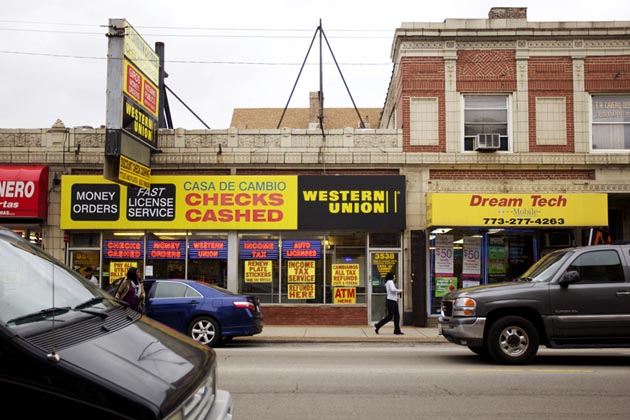
Check Cashing Stores
Check cashing stores generally charge higher fees than retail locations, but they offer extended hours and can be a practical option if you’re already there for other services.
15. ACE Cash Express
ACE Cash Express is one of the largest check cashing chains in the country, with more than 750 locations across 21 states. It sells MoneyGram money orders alongside check cashing, bill pay, and money transfer services. Fees vary by location, so check with your local store before visiting.
16. Other Check Cashing Stores
Other chains, including Money Mart and Pay-O-Matic, also sell money orders. These locations tend to charge more than grocery or convenience stores, but they are useful if you need a money order late at night or on a weekend. Fees and limits vary widely by chain and location.
Banks and Credit Unions
Banks and credit unions offer higher limits and added security, but the fees are typically the highest on this list.
17. Banks
Most banks issue money orders for around $5.00 per order, though some waive the fee for account holders with qualifying accounts. Limits are generally $1,000 or more, higher than most retail alternatives. If you already have a bank account, it’s worth checking your bank’s fee structure before going elsewhere, since some institutions offer competitive pricing for existing customers.
18. Credit Unions
Credit unions offer money orders at fees similar to banks, typically around $5.00, though many provide them free to members with qualifying accounts. Limits are generally $1,000 or more. If you’re a credit union member and your account qualifies, this is often the most cost-effective option available.
Two Places That Don’t Sell Money Orders
Two popular chains come up often in money order searches, but neither actually sells them.
Walgreens partners with Western Union to offer money transfers at most locations, but does not sell traditional money orders. The two products work similarly but aren’t the same thing.
Dollar General offers Western Union money transfer services in stores but also does not sell money orders. If you need an actual money order, the 18 locations above are your options.
How to Pick the Right Location
The best place to buy a money order depends on what matters most to you. Here’s a quick way to think through it:
- Lowest fee: Meijer at $0.65 is the cheapest option. Walmart at up to $1.00 is the most accessible at that price range.
- Highest limit: Walmart, Kroger, Albertsons, H-E-B, banks, and credit unions all allow up to $1,000 or more per order.
- No bank account needed: Every retail location on this list accepts cash, so any of them works.
- Government-backed: USPS is the only government-issued option. The fees are higher, but so is the level of institutional backing.
- Extended hours: CVS, 7-Eleven, and Circle K often have the longest hours, including evenings and weekends.
Whatever you decide, call ahead if you’ve never bought from that location before. Fees change, and not every branch in a chain offers money orders.
Final Thoughts
Money orders are straightforward once you know where to go. For most people, a nearby grocery store or Walmart will cover the need at the lowest cost. If you need a government-backed option or want the ability to track and replace a lost payment through an official system, USPS is worth the slightly higher fee.
Before you head out, confirm the fee at your specific location, bring cash or a debit card, and have your recipient’s full legal name ready. A little prep upfront saves a wasted trip.
Frequently Asked Questions
How much does a money order cost?
Fees vary by location. Retail stores generally charge under $1.50, with grocery stores and big-box retailers often coming in under $1.00. USPS charges between $2.35 and $3.40, depending on the amount. Banks and credit unions typically charge around $5.00, though this is sometimes waived for account holders.
How does a money order differ from a check?
A money order is prepaid, so the funds are guaranteed the moment it is issued. A personal check draws from your bank account when cashed and can bounce if the funds aren’t there. Money orders also don’t display your bank account number, which makes them a more private option for sending payments.
What are the signs of fake money orders?
Common red flags include dollar amounts that appear fuzzy or discolored, any amount over $1,000 on a single money order, and missing watermarks. If you receive a suspicious money order, contact the issuer directly before attempting to cash it.
You can reach Western Union at 1-800-325-6000, MoneyGram at 1-800-666-3947, or the USPS Verification System at 1-866-459-7822.
Can you buy multiple money orders?
Yes. If you need more than the per-order limit allows, you can purchase multiple money orders in one visit. Some locations may impose a daily purchase total or require additional verification if your combined purchases exceed $3,000 in a single day.
What are alternatives to money orders?
If a money order isn’t the right fit, a few other options are worth considering. Cashier’s checks offer similar guarantees but typically require a bank account. Digital payment apps like Zelle, Venmo, and PayPal work well for sending money to individuals. Prepaid debit cards are another option for those without a bank account.