Sam’s Club offers two credit cards, and the distinction between them matters more than it does at most retailers. The Sam’s Club Store Card works only at Sam’s Club and Walmart locations.
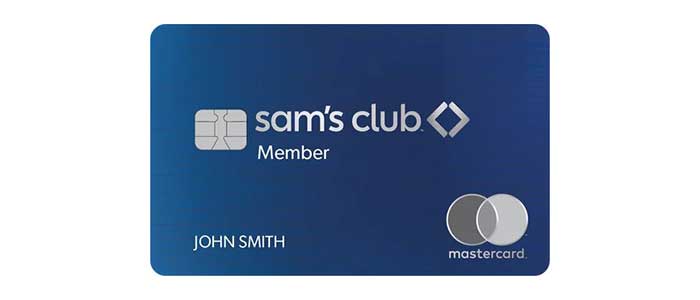
The Sam’s Club Mastercard works anywhere Mastercard is accepted and adds earning categories outside of Sam’s Club. Both are issued by Synchrony Bank, but they target meaningfully different credit profiles and serve different types of cardholders.
Here’s how the two cards compare, what credit score each requires, and what makes the Mastercard version one of the stronger warehouse club cards available.
The Two Sam’s Club Credit Cards
The Sam’s Club Store Card is a closed-loop card accepted at Sam’s Club and Walmart. It earns cash back on Sam’s Club purchases and offers special financing on qualifying purchases. The approval threshold is more accessible than the Mastercard version, making it the realistic starting point for applicants with fair to good credit.
The Sam’s Club Mastercard is where the real value lives. It earns 5% cash back on gas purchases anywhere Mastercard is accepted up to $6,000 per year, then 1%. It earns 3% back on dining and takeout, 1% on Sam’s Club purchases for standard members, and 1% everywhere else.
Plus members earn an additional percentage back on Sam’s Club purchases. There’s no annual fee for the card itself, though Sam’s Club membership is required to apply.
The gas earning rate is one of the highest available on any no-annual-fee card for that category, making the Mastercard version genuinely competitive beyond the warehouse club context.
Recommended Credit Score for a Sam’s Club Credit Card
The Sam’s Club Store Card generally requires a credit score of 640 or higher. The Sam’s Club Mastercard, given its open-loop acceptance and stronger rewards structure, typically requires a credit score of 700 or above.
A single application determines which version you qualify for. Synchrony evaluates your profile and extends the Mastercard to applicants who meet the higher threshold, falling back to the store card for those who qualify at the lower tier. That structure mirrors what you see with the Target Circle Card and JCPenney card, where one application covers two possible outcomes.
What Else Does Synchrony Bank Look At?
Synchrony’s review process for both Sam’s Club cards weighs these factors alongside your credit score:
- Sam’s Club membership status: You must be an active Sam’s Club member to apply for either card. Plus membership status affects the earning rate on Sam’s Club purchases, which is worth factoring into the value calculation before you apply.
- Prior Synchrony history: Synchrony’s internal records span all their issued cards. A prior account in good standing with any Synchrony product supports this application, while a negative history can affect the outcome regardless of your current credit score.
- Income relative to existing debt: Synchrony wants to see that your monthly income supports both existing obligations and the new credit line. The Mastercard version gets more income scrutiny given its open-loop acceptance.
- Recent payment behavior: The past twelve months carry more weight than your overall credit history. A late payment during that window raises concerns even when the credit score is in qualifying range.
- Active derogatory marks: An open collection account is one of the most common denial reasons at this credit tier. Resolving those before applying removes a significant obstacle.
How the Gas Earning Rate Compares
The Sam’s Club Mastercard’s 5% gas earning rate is one of the most compelling features of any warehouse club card, and it’s worth understanding the cap before you apply. The 5% rate applies to the first $6,000 in gas purchases per year, after which the rate drops to 1%.
For a household spending $500 per month on gas, that cap is reached in exactly twelve months, meaning the 5% rate effectively applies to all gas spending for most drivers.
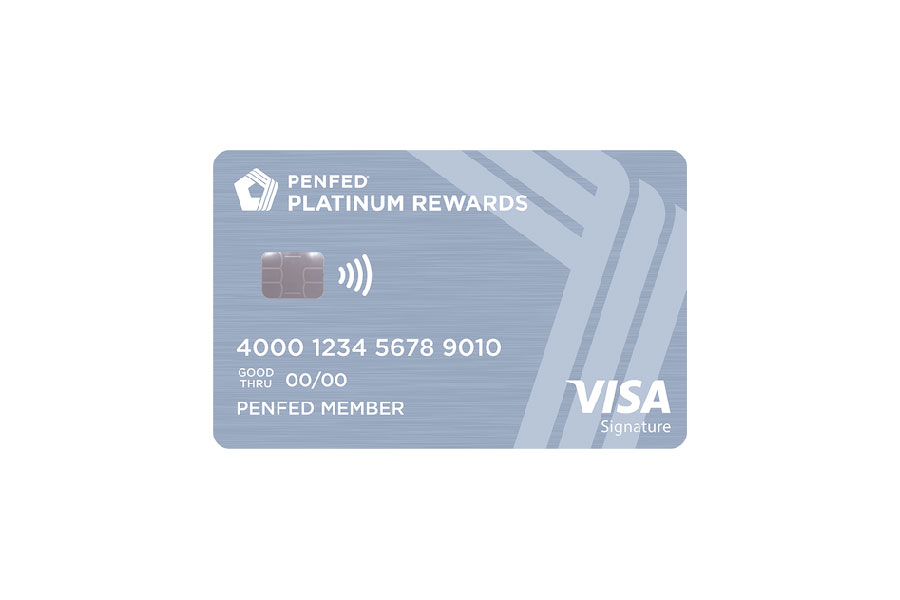
Competing cards in the gas category include the Costco Anywhere Visa at 4% on gas and the PenFed Platinum Rewards card at 5x points on gas. The Sam’s Club card’s combination of a 5% rate, no annual fee for the card itself, and Mastercard network acceptance makes it competitive in that comparison.
How to Strengthen Your Application Before Applying
These steps address the factors Synchrony weighs most heavily for both Sam’s Club cards:
- Confirm your Sam’s Club membership is active: The application requires active membership. Plus membership gives you access to higher earning rates on Sam’s Club purchases, which affects the card’s total value calculation.
- Check for prior Synchrony account issues: A previous Synchrony card that went negative can affect this application. Resolving any prior Synchrony history before applying gives you a cleaner starting point.
- Target your application to the right card: If your credit score is around 640 to 699, the store card is the realistic outcome. At 700 or above with a clean profile, the Mastercard is within reach.
- Pay down your most utilized credit card account: That account suppresses your credit score more than any other single balance. Targeting it specifically produces a faster improvement than spreading payments across multiple accounts.
- Pull all three credit reports and dispute errors: Equifax, Experian, and TransUnion each maintain independent credit reports. An inaccurate negative item on one won’t automatically appear on the others.
Ready to take action on your credit?
Get your personalized plan in 30 seconds. Free, no credit check.

Bottom Line
The Sam’s Club Credit Card program rewards active members with cash back that’s strongest in the gas category. A credit score around 640 puts you in range for the store card, while 700 or above gives you a realistic shot at the Mastercard with its stronger earning structure.
The 5% gas earning rate on the Mastercard version is the feature most worth targeting. For households with significant monthly gas spending, it delivers more annual value than most competing no-annual-fee cards in that category, and the one-application structure means you find out which version you qualify for without committing to multiple hard inquiries.