Shell offers two credit cards under the Fuel Rewards program, and they serve different types of cardholders. The Shell Fuel Rewards Card is a closed-loop card that works only at Shell stations.
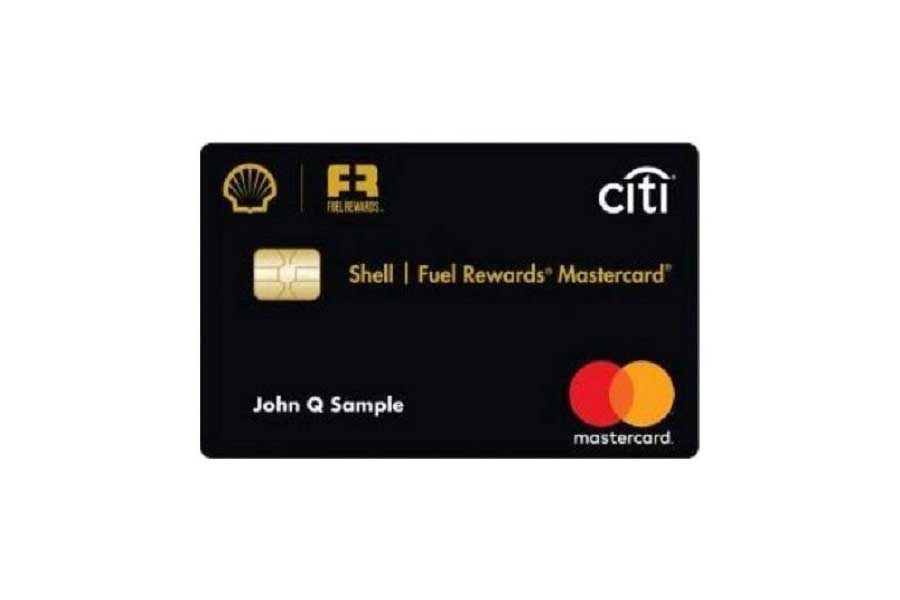
The Shell Fuel Rewards Mastercard works anywhere Mastercard is accepted and adds earning on purchases outside of Shell. Both cards are issued by Citi, and a single application determines which version you qualify for based on your credit profile.
For drivers who fill up at Shell regularly, either card can translate into meaningful per-gallon savings over the course of a year. Here’s what credit score you’ll need, what Citi evaluates beyond that number, and how the two cards compare before you apply.
Credit Score Requirements for a Shell Gas Card
Most approved applicants have a credit score of at least 640 for the store-only Shell Fuel Rewards Card. The Shell Fuel Rewards Mastercard, which works anywhere Mastercard is accepted, generally requires a credit score closer to 670 or above.
Citi’s involvement as the issuer means the approval process is more thorough than what you’d encounter with a retail-focused issuer like Synchrony or Comenity. Citi applies its own underwriting standards rather than a purely automated retail approval, which means your full financial profile gets reviewed more carefully than the credit score threshold alone suggests.
What Else Does Citi Look At?
Citi’s review process for both Shell cards weighs these factors alongside your credit score:
- Income relative to existing debt: Citi wants to see that your monthly obligations leave meaningful room for a new credit line. A lower debt-to-income ratio makes the application more straightforward regardless of which card version you’re targeting.
- Recent payment history: The past twelve months carry more weight than your overall credit record. A late payment during that window raises concerns even when the credit score is in qualifying range.
- Credit history length: Citi favors applicants with established credit histories over thin profiles with short track records, even when the credit scores are comparable.
- Recent hard inquiries: Several recent applications for new credit signal active credit-seeking behavior. Spacing out applications before going for the Shell card is worth the planning.
- Active derogatory marks: An open collection or recent charge-off raises concerns that a qualifying credit score alone won’t resolve. Addressing those before applying removes a meaningful obstacle from Citi’s review.
How the Fuel Rewards Program Works
Both cards earn Fuel Rewards savings that reduce the per-gallon price at Shell stations. The store card concentrates all its earning at Shell, while the Mastercard version adds earning on everyday categories like dining and groceries at a lower rate than the Shell-specific earning.
Fuel Rewards savings accumulate in your account and apply automatically at the pump when you use your Fuel Rewards number at a Shell station. The per-gallon savings stack on top of any other Shell promotions running at the time, which can produce meaningful cumulative savings for drivers with significant monthly fuel expenses.
Neither card charges an annual fee, which keeps the cost of holding either version low during periods of lighter Shell usage.
Citi’s Application Timing Guidelines
The same timing restrictions that apply to other Citi products apply here. Citi informally limits approvals to one new card every eight days and no more than two new Citi cards within a 65-day period. If you’ve recently opened another Citi card, waiting until you’re clear of those windows before applying for a Shell card meaningfully improves your odds.
Applying while you’re close to those limits risks a denial that has nothing to do with your credit score or financial profile.
How to Strengthen Your Application Before Applying
These steps address the factors Citi weighs most heavily in the months before you apply:
- Target the right card for your credit score: Applying for the Mastercard version with a 645 credit score is a harder sell than applying for the store card. Let your current credit score guide which version you’re realistically targeting before you submit.
- Pay down your most utilized credit card account: That account suppresses your credit score more than any other single balance. Reducing it specifically produces a faster improvement than spreading payments across multiple accounts.
- Check Citi’s timing guidelines before applying: Verify that you haven’t recently opened another Citi card and that you’re clear of the eight-day and 65-day windows before submitting an application.
- Build a recent streak of on-time payments: Six consecutive months of clean payments across all accounts presents a compelling picture to Citi’s review process regardless of what came before that window.
- Pull all three credit reports and dispute errors: Equifax, Experian, and TransUnion each maintain independent credit reports. An inaccurate negative item on one won’t automatically appear on the others. Dispute errors directly with each bureau reporting them.
Ready to take action on your credit?
Get your personalized plan in 30 seconds. Free, no credit check.

Bottom Line
The Shell Fuel Rewards cards are a practical savings tool for drivers who fill up at Shell regularly and want per-gallon savings without paying an annual fee. A credit score around 640 puts you in range for the store card, while 670 or above gives you a realistic shot at the Mastercard version.
Citi’s timing guidelines and more thorough underwriting process make this a slightly more involved application than a standard retail card, but the same preparation steps apply: clean up your credit report, protect your recent payment history, and match your target card to your current credit score before you apply.