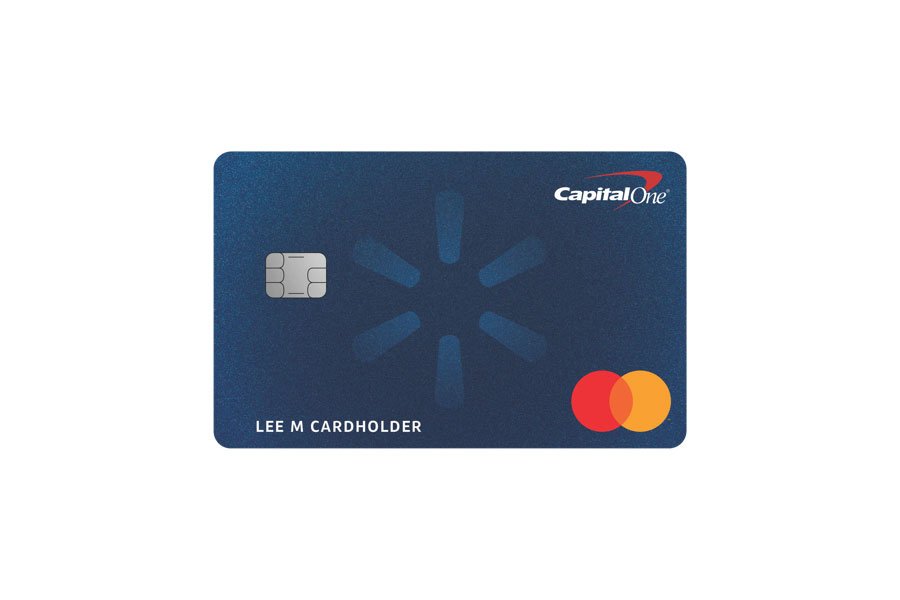
If you’re looking for a way to manage your money without a traditional bank account, the Walmart MoneyCard is worth a serious look.

It’s a reloadable prepaid debit card issued by Green Dot Bank that skips the credit check and lets you shop anywhere Visa or Mastercard debit is accepted. No bank account required, no overdraft fees, and it actually earns cash back on Walmart purchases.
That said, it’s not perfect for everyone. There’s a monthly fee, the cash back has a cap, and some features come with fine print that can catch you off guard. We dug into the current terms and real user feedback to give you an honest picture of what you’re getting in 2026.
How to Get Started with the Walmart MoneyCard
Getting the card is simple. You can pick up a starter kit at any Walmart store for $1, or apply online. Once you register and activate the card, you’ll need to verify your identity using your name, date of birth, Social Security number, and address.
From there, loading money is straightforward. Here are your main options:
- Direct deposit: Set this up through your employer or benefits provider and the money lands straight in your account. If you deposit $500 or more per month this way, the monthly fee is waived.
- Cash at Walmart: Free when you use the MoneyCard app in-store, or $3 at the register.
- External bank transfer: Link another bank account and move funds over. Transfers take about three business days.
- Third-party retail locations: Places like Walgreens, Dollar General, and 7-Eleven can reload your card, though fees at these spots can run up to $5.95.
Walmart MoneyCard Cash Back Rewards
The cash back structure is straightforward if you shop at Walmart regularly. You earn 3% on Walmart.com purchases and in the Walmart app, 2% at Walmart fuel stations, and 1% on in-store Walmart purchases. Grocery pickup and delivery orders made through Walmart.com or the app earn the 1% rate.
The catch is the annual cap. Cash back earnings max out at $75 per year, so once you hit that ceiling, you stop earning for the rest of the reward year. For light shoppers, that cap may never feel like a limitation. For heavy Walmart spenders, it will.
Early Direct Deposit
With direct deposit set up, you can access your paycheck up to two days early and government benefits up to four days early. This is one of the more useful perks for people who live paycheck to paycheck or want a little extra buffer before bills hit.
Savings Vaults and No Overdraft Fees
The MoneyCard has evolved beyond a basic prepaid card. You can create up to five savings vaults for specific goals, and balances up to a certain threshold earn an APY that varies. That’s a notable upgrade from earlier versions of the card, which capped savings at $1,000. The interest is paid annually based on your average daily balance over the prior 365 days, so it rewards consistent saving.
There’s also a monthly prize drawing tied to the savings vaults. Each month, users with money in savings are entered for a chance to win one of 1,000 different prizes, with winnings up to $1,000. It’s a fun add-on, not a financial strategy, but it gives you one more reason to keep money in the vault.
Since the MoneyCard is prepaid, you can only spend what’s loaded on it. That means no overdraft fees, ever. If your balance runs out, the transaction is simply declined rather than pushed through at a cost to you. For anyone who has been burned by overdraft charges at a traditional bank, that alone can be a compelling reason to switch.
Family Accounts
You can add up to four additional Walmart MoneyCards for family members ages 13 and up. This makes the card practical for parents who want to give teens spending power while keeping everything under one account. Each family member gets their own card, and the primary account holder can monitor activity across all of them.
Walmart MoneyCard App
The mobile app lets you deposit checks, track spending, transfer money, set up alerts, and manage your savings vaults. You can also lock your card instantly if it goes missing, which is a solid security feature. One consistent complaint from users is that a recent app update removed the quick-swipe balance check, requiring a full login each time. It’s a minor inconvenience, but worth knowing if ease of access matters to you.
Security Features
Your deposits are held with Green Dot Bank, which is FDIC insured, so your funds are protected up to the standard deposit insurance limit. The card comes with an EMV chip for added security at the point of sale. You can set up real-time transaction alerts through the app so you’re notified the moment anything posts to your account. If your card is ever lost or stolen, you can lock it instantly from the app or website to stop any unauthorized use.
Walmart MoneyCard Fees
The fee structure is manageable if you plan ahead, but it adds up fast if you don’t. Here’s what to expect:
- Monthly fee: $5.94, waived when you receive a payroll or government benefits direct deposit of $500 or more in the previous monthly period.
- Out-of-network ATM withdrawals: $2.50 per withdrawal, plus a $0.50 ATM balance inquiry fee. There’s also a $2.50 withdrawal fee at participating banks.
- Cash withdrawals at Walmart: Free at any Walmart MoneyCenter or customer service desk.
- Foreign transactions: A 3% fee on every transaction made outside the U.S.
- Card replacement: $3 for standard delivery or $15 for expedited shipping.
Potential Drawbacks to Consider
The Walmart MoneyCard works well within its lane, but a few things may give you pause. The $75 annual cash back cap limits the card’s reward value compared to many traditional credit cards. The monthly fee of $5.94 applies unless you hit the $500 direct deposit threshold, which may not suit occasional or low-balance users.
Customer service has been a consistent pain point in recent reviews. Reports of difficulty reaching live support and disputes not being resolved quickly are common.
Walmart does offer multiple support channels, including phone support and an online Help Center, but the real-world experience from users suggests results can vary significantly. If customer service responsiveness is important to you, it’s fair to factor that in before signing up.
How the Walmart MoneyCard Compares to Other Prepaid Cards
It helps to see how the MoneyCard stacks up before committing. Two of its closest competitors are the Netspend Prepaid Card and the Green Dot Prepaid Visa.
Walmart MoneyCard vs. Netspend Prepaid Card
Both cards target the unbanked and underbanked market, but their strengths differ. The Walmart MoneyCard wins on cash back, offering up to 3% back on Walmart.com purchases. Netspend offers no cash back program.
On the savings side, Netspend can offer higher APY options depending on the account type, while Walmart MoneyCard advertises 2.00% APY on eligible Savings Vault balances, subject to current account terms. Fee structures are comparable, though Netspend’s pay-as-you-go plan can work out cheaper for infrequent users.
Walmart MoneyCard vs. Green Dot Prepaid Visa
These two cards share the same issuing bank, Green Dot, so the infrastructure is nearly identical. The key difference is rewards. The Walmart MoneyCard offers cash back on Walmart purchases; the Green Dot card doesn’t.
Green Dot may offer a higher savings balance ceiling depending on the specific card product. However, Walmart MoneyCard’s free cash reloads at over 4,500 Walmart stores give it a practical edge for regular shoppers.
See also: Best Prepaid Debit Cards of 2026
Is the Walmart MoneyCard Right for You?
The Walmart MoneyCard is a smart pick for frequent Walmart shoppers who want cash back, early direct deposit, and a built-in savings tool without needing a traditional bank account. It’s also a reasonable choice for parents who want to give teens a controlled spending card. If you can hit $500 in monthly direct deposits, the monthly fee disappears and the value proposition gets noticeably better.
If you rarely shop at Walmart, the rewards won’t mean much to you. And if you need strong customer support or hate the idea of a monthly fee you have to actively manage around, there are competing prepaid cards worth comparing before you decide.