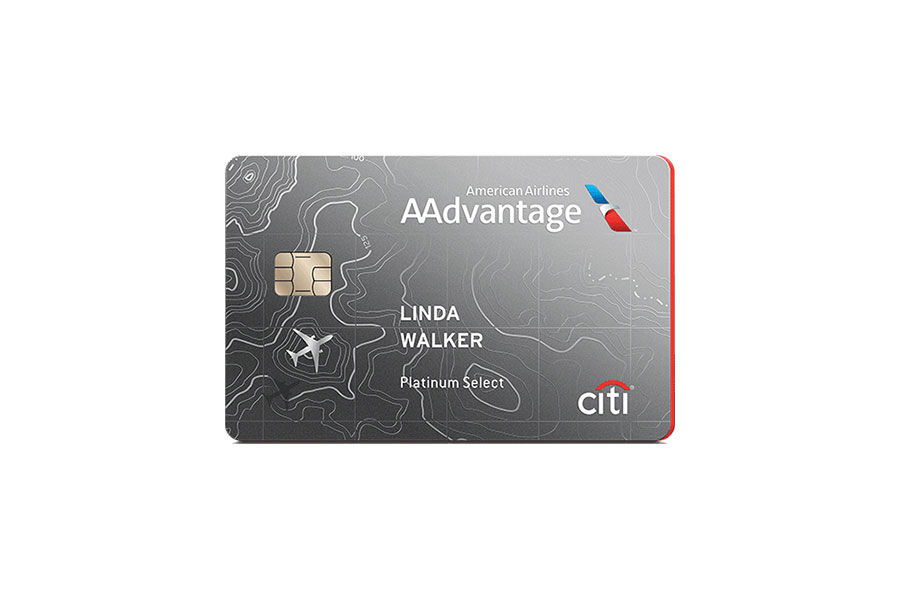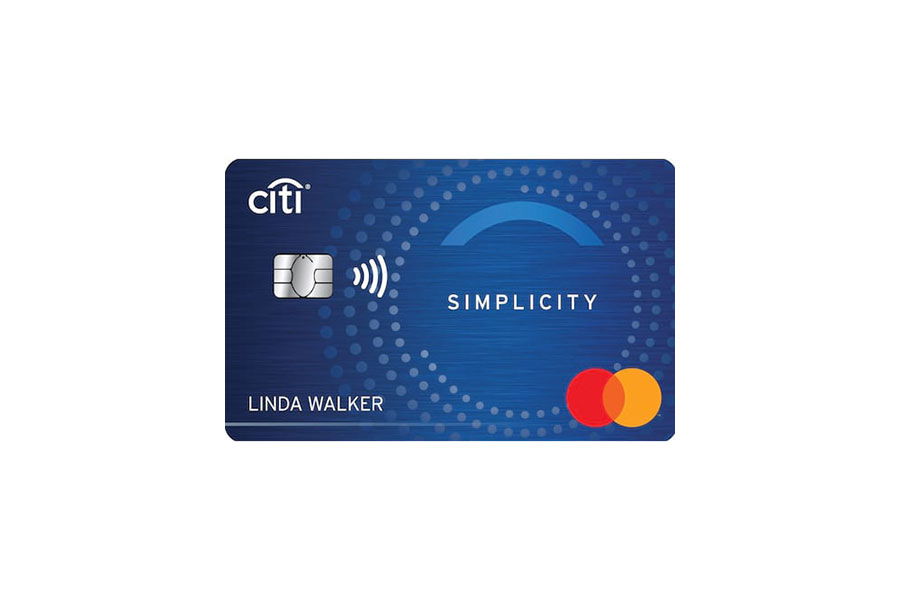
The Citi Diamond Preferred Card is built around one core benefit: a long 0% intro APR period on balance transfers and purchases, with no annual fee attached. It doesn’t earn rewards and it isn’t designed for everyday spending optimization.
What it does well is give cardholders a structured window to pay down existing debt or finance a large purchase without interest piling up in the background.

That focused value proposition attracts a specific type of applicant, and Citi’s approval standards reflect that. Here’s what credit score you’ll need, what else Citi evaluates, and how to position yourself before you apply.
Credit Score Requirements for the Citi Diamond Preferred Card
Most approved applicants carry a credit score of 700 or higher, putting the Diamond Preferred squarely in the good credit tier. That’s consistent with the Citi Simplicity, which targets a similar applicant profile. The long promotional APR period Citi extends on this card represents real financial risk for the issuer, and the approval standard reflects that.
Some applicants with credit scores in the high 600s report approvals when their income is strong and their recent payment history is spotless. However, 700 is the more reliable number to target before applying. Below that threshold, the other factors in your financial profile carry increasing weight.
What Else Does Citi Look At?
Citi’s review process for the Diamond Preferred mirrors what they apply to their other balance transfer cards. These factors shape the decision alongside your credit score:
- Income stability: Citi wants to see consistent income that supports the credit line they’d be extending. An applicant whose income fluctuates significantly presents a harder case than one with steady monthly earnings.
- Debt-to-income ratio: A lower ratio signals that your existing monthly obligations leave room for a new payment. High existing debt relative to income raises concerns regardless of credit score.
- Recent payment record: The past twelve months carry significantly more weight than your overall lifetime record. A late payment during that window can complicate an otherwise qualifying application.
- Total credit utilization: Citi looks at your utilization across all accounts rather than a single card. Keeping the overall figure below 30% presents a more stable picture than having one low account and one near its limit.
- Recent hard inquiries: A cluster of recent applications for new credit signals active credit-seeking behavior, which works against an applicant seeking a card positioned as a financial management tool.
Citi’s Application Timing Guidelines
The same timing restrictions that apply to the Citi Simplicity apply here. Citi informally limits approvals to one new card every eight days, no more than two cards within 65 days, and one card per card family every six months. These aren’t published rules, but they show up consistently across applicant experiences.
If you’ve recently applied for the Citi Simplicity or any other Citi product, waiting until you’re clear of those windows before applying for the Diamond Preferred is the smarter move. Applying while you’re close to those limits risks a denial that has nothing to do with your creditworthiness.
Diamond Preferred vs. Citi Simplicity: Which One to Apply For
The choice between these two cards comes down to one question: do you value a longer intro period or late fee protection more?
The Diamond Preferred has historically offered a slightly longer 0% intro APR period on purchases in certain offer configurations. This matters if you’re planning a large purchase you need time to pay off. The Citi Simplicity’s no-late-fee and no-penalty-APR structure matters more if you’re transferring a large balance and want a safety net in case a payment runs late during the payoff period.
Applying for both in the same period isn’t advisable given Citi’s timing guidelines. Pick the one that fits your specific situation and apply when your profile is in the strongest possible shape.
How to Improve Your Odds Before Applying
These steps address the factors Citi weighs most heavily in the months before you apply:
- Get your credit score to 700 before submitting: Paying down revolving balances is the fastest lever available. Targeting your highest-use account first produces the largest credit score improvement in the shortest time.
- Establish six months of clean payment history: Recent behavior carries more weight than your overall record. Six consecutive months of on-time payments across all accounts is a compelling signal to Citi regardless of what came before.
- Check Citi’s timing guidelines: Verify that you haven’t recently opened another Citi card and that you’re clear of the eight-day and 65-day windows before applying.
- Pull all three credit reports and dispute errors: Equifax, Experian, and TransUnion each maintain independent credit reports. An inaccurate negative item on one won’t automatically appear on the others. Dispute errors directly with each bureau reporting them.
- Avoid other credit applications in the weeks before applying: Hard inquiries accumulate on your credit report and signal active credit-seeking behavior. A settled credit report going into a Citi application is more persuasive than one showing recent activity.
Ready to take action on your credit?
Get your personalized plan in 30 seconds. Free, no credit check.

Bottom Line
The Citi Diamond Preferred Card is a solid balance transfer option for applicants with a credit score around 700 or higher. It suits those who want a long promotional runway and are confident in their ability to make payments on time throughout that period. The absence of an annual fee makes the card low-cost to hold even after the promotional period ends.
If you’re weighing this card against the Citi Simplicity, the deciding factor is whether you prioritize a potentially longer intro period or late fee protection. Either way, Citi’s application timing guidelines mean you can only go after one of them at a time. Pick the right one for your situation and apply when your credit profile is ready.