
You can usually find your bank account number in your bank’s mobile app, through online banking, on a paper check, or on a bank statement. Your bank can also provide it after it confirms your identity.
The right method depends on what you have nearby and whether your bank hides part of the number for security. This guide shows where to look, how to tell your account number from a routing number, and how to protect the information once you find it.
Where to Find Your Bank Account Number
Start with your bank’s app or website because those options are often the fastest. A check or statement can also help, but some statements show only the final four digits.
1. Find It in Your Bank’s Mobile App
Open the app and select the checking or savings account you need. Look for a menu called “Account Details,” “Account Information,” or “Routing and Account Numbers.”
Your bank may hide most of the number. Tap “Show,” “View Full Account Number,” or a similar option. You may need to enter your password or complete an identity check before the full number appears.
2. Find It Through Online Banking
Sign in through the bank’s official website and select the correct account. The account number may appear on the account summary page or under account details.
Check the statements, documents, or direct deposit section if you cannot see it. Do not sign in through a link from an unexpected email or text. Enter the bank’s web address yourself or use a saved bookmark.
3. Find It on a Paper Check
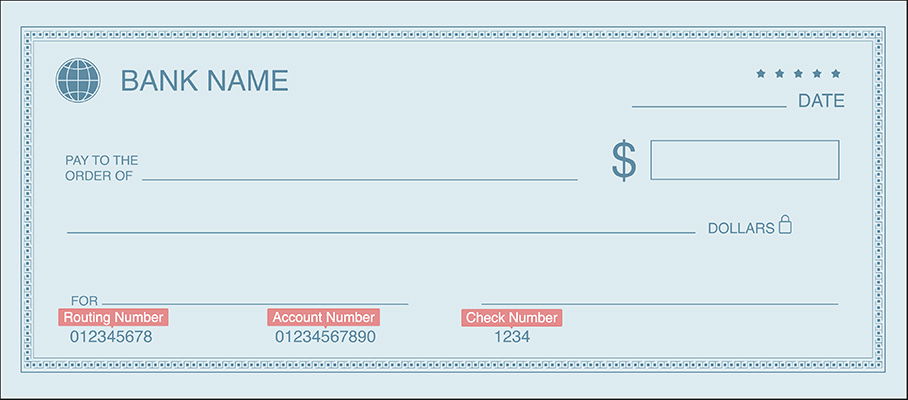
The account number usually appears along the bottom of a personal check. The routing number normally comes first, the account number comes next, and the check number appears last.
Some check designs use a different layout. Compare the number with the account details in your bank’s app when you are unsure.
4. Find It on a Bank Statement
Your account number may appear near the top of a paper or electronic bank statement. Look near your name, mailing address, account type, and statement period.
Some banks mask the account number and show only the last four digits. Check the bank’s app or website when the statement does not show the full number.
5. Contact Your Bank or Credit Union
Call the phone number on the back of your debit card or on an official bank statement. You can also visit a branch or send a secure message through online banking.
The bank may ask for your name, address, date of birth, recent transaction details, or another form of identification. Do not send your bank account number through regular email or social media.
How to Find Your Bank Account Number Without a Check
You do not need a checkbook to find your bank account number. Log in to your bank’s app or website, open the correct account, and look for the account details section.
You can also check an electronic statement or a direct deposit form from your bank. Contact the bank through a verified phone number or secure message when the full number remains hidden.
How to Read the Numbers on a Check
A personal check usually has three groups of numbers along the bottom. Each group serves a different purpose.
- Routing number: This nine-digit number identifies the bank or credit union.
- Account number: This number identifies your specific checking account.
- Check number: This number identifies the individual check and often matches the number in the upper-right corner.
Do not identify your account number by its length alone. Account number length differs by financial institution, and some check layouts repeat the check number.
Bank Account Number vs. Routing Number
Your account number identifies your specific account. Your routing number identifies the financial institution and helps direct the transaction to the correct place.
| Detail | Bank Account Number | Routing Number |
|---|---|---|
| What It Identifies | Your checking or savings account | Your bank or credit union |
| Standard Length | Varies by financial institution | Nine digits |
| Where to Find It | App, website, check, or statement | App, website, check, or bank instructions |
| Common Uses | Deposits, payments, and transfers | ACH payments and other transfers |
A financial institution can have more than one routing number. The correct number may depend on the account, location, or transaction type.
Review this guide on how to find your routing number when you need help confirming it.
Which Routing Number Should You Use?
Use the routing number that your bank provides for the exact transaction. A routing number printed on a check may work for ACH payments, but a domestic or international wire may require different instructions.
Confirm the details before you send money. A wrong routing number or account number can delay the payment, return it to the sender, or direct it to the wrong account.
Your bank may provide separate instructions for these transactions:
- ACH payment: Direct deposit, automatic bill payment, and many bank-to-bank transfers use the ACH network.
- Domestic wire: A wire transfer may require a separate routing number and the recipient bank’s address.
- International wire: The sender may need a SWIFT code, account number, bank address, and other recipient details.
What Your Bank Account Number Is Used For
Your bank account number helps financial institutions and payment services identify where money should enter or leave. You may need it for several common tasks.
- Direct deposit: Your employer or benefits provider may request your account number and routing number. Follow these steps to set up direct deposit.
- Automatic payments: Utilities, lenders, landlords, and subscription services may use the numbers for recurring ACH withdrawals.
- Bank transfers: You may need both numbers to transfer money between bank accounts.
- Payment apps: Services such as PayPal and Venmo may ask you to link and verify a bank account.
- Tax refunds: The IRS and state tax agencies can send a refund to the account you list.
- Wire transfers: A sender may need your account number plus the bank’s wire instructions.
Double-check every digit before you submit a form. A single incorrect digit can cause a rejected or delayed payment.
How to Protect Your Bank Account Number
A bank account number is sensitive financial information, but it is not the same as a password. Employers, government agencies, and trusted billers may need it for legitimate payments.
Follow these safety steps before you share it:
- Verify the request: Contact the company through a phone number, website, or app you already trust.
- Use secure forms: Submit the number through an employer portal, bank website, government website, or another verified system.
- Protect login details: Never share your online banking password, PIN, or one-time security code.
- Review transactions: Check your account activity and bank statements for withdrawals you do not recognize.
- Report problems fast: Contact your bank as soon as you see an unauthorized payment.
Your debit card has a separate card number. The card number is not your bank account number, even when the card draws money from that account.
What to Do if Your Bank Account Number Is Exposed
Contact your bank right away when you sent the number to a scammer, posted it publicly, or notice an unauthorized withdrawal. Ask the bank whether it recommends account monitoring, a payment block, or a new account number.
Change your online banking password when your login information may also be exposed. Review recent transactions and keep checking the account for new activity.
Federal rules can limit your losses from some unauthorized electronic transfers, but deadlines apply. Report an unauthorized withdrawal right away. Do not wait more than 60 days after the bank sends the statement that shows it.
Frequently Asked Questions
Do checking and savings accounts have different account numbers?
Usually, yes. Each checking or savings account normally has its own account number. Select the exact account that should receive the deposit or make the payment.
Can I find my bank account number on a deposit slip?
A preprinted deposit slip may show your account number near the bottom. A blank deposit slip from a branch may not include it. Confirm the number through your bank before you use the slip for an electronic payment.
How many digits is a bank account number?
There is no standard length for every U.S. bank account number. The number may contain fewer or more digits than another bank’s format.
Do not guess based on length. Use the label and location your bank provides.