Some people assume credit does not matter if they never plan to borrow money. They intend to avoid credit cards, loans, and mortgages altogether. That approach can work on paper, but it ignores how often credit shows up in everyday life.

Your credit score affects far more than loans. It can influence whether you get approved for an apartment, how much you pay for insurance, whether you need deposits for utilities, and even how some employers evaluate applications. In several cases, you pay more simply because your credit score is weak or nonexistent.
Below, we break down exactly why credit matters and where it comes into play, including housing, cell phones, utilities, insurance, jobs, car purchases, and starting a business. Even if you never borrow a dollar, credit still follows you.
What Is Credit?
Credit is your track record of paying borrowed money and ongoing obligations on time. It exists so lenders, landlords, insurers, and service providers can decide how risky it is to trust you with future payments.
Even when no money changes hands upfront, credit still matters. Many companies extend service before you pay. Rent, utilities, insurance premiums, and phone plans all work this way. Your credit history helps them decide whether to approve you, charge a deposit, or raise your cost.
In short, credit answers one question for decision-makers: Will this person pay what they owe?
Types of Credit and How They Affect Your Credit Score
There are two main forms of credit, and both influence your credit score in different ways.
- Revolving credit includes accounts like credit cards. These allow repeated borrowing up to a limit. How much of the limit you use plays a major role in your credit score.
- Installment credit includes loans with fixed payments over a set time, such as auto loans or mortgages. These show whether you can manage long-term obligations.
Even if you avoid loans, revolving credit often enters your life through basic financial tools.
How Credit History Affects Approval Decisions
Your credit score summarizes patterns found on your credit report from each credit bureau. These patterns show whether you pay on time, how much credit you use, and how long your accounts have existed.
Companies rely on this information because it predicts future behavior. Someone with late payments or unpaid balances appears riskier, even if the service itself has nothing to do with borrowing.
That is why credit affects housing, utilities, insurance pricing, employment screening, and business financing.
Why Responsible Credit Use Matters
Responsible credit use keeps your credit score stable and predictable. On-time payments, low balances, and limited new accounts signal reliability.
That reliability lowers costs, reduces deposit requirements, and widens your options across everyday financial decisions. Credit is not about debt. It is about trust.
Factors That Determine Your Creditworthiness
Your creditworthiness is based on patterns found on your credit report from each credit bureau. These patterns show how you have handled financial obligations over time.
Payment history carries the most weight. Paying on time signals reliability. Late payments, missed payments, and collections raise red flags for lenders and service providers.
Credit utilization also plays a major role. Using a large portion of your available credit suggests financial strain, even if payments are made on time. Lower balances point to better control.
The length of your credit history shows experience. Older accounts give lenders more data to review. New credit accounts can temporarily lower your credit score, especially if several are opened close together.
Together, these factors shape your credit score, which lenders use to set approval decisions, interest rates, deposits, and terms.
How Lenders Judge Responsible Credit Use
Responsible credit use means showing consistency over time. Lenders want to see that you meet obligations without stretching yourself too thin.
On-time payments matter more than anything else. Even one late payment can damage trust and stay on your credit report for years.
Low balances signal restraint. Carrying small balances compared to your limits shows that credit is used as a tool, not a fallback.
Limited new accounts show stability. Frequent applications suggest financial pressure and increase perceived risk.
When these habits stay in place, your credit score remains steady. That stability leads to lower costs, fewer deposit requirements, and easier approvals across many parts of daily life.
9 Ways Your Credit Score Can Impact Your Life
To help you understand, “why is credit important?” we’ll show you nine ways that your credit score can impact your life. Even if you never plan to open credit card accounts or take out an auto loan or mortgage, here are some things you should know.
1. Getting a Cell Phone
To own a smartphone, financing may be necessary as the newest models can cost over $1,000, making upfront purchase unaffordable for most people. Cell phone companies typically require a credit check before extending service, even if the phone can be purchased upfront.
If your credit history is poor or non-existent, a deposit may be necessary. Going prepaid is an option, but it can be more expensive for less service. A cosigner can be added, but they’ll be responsible for the bill if payments are missed.
A family plan can also be considered, as only the primary account holder needs a good credit history. Another alternative is to opt for a no-contract, pay-as-you-go prepaid cell phone.
2. Renting an Apartment
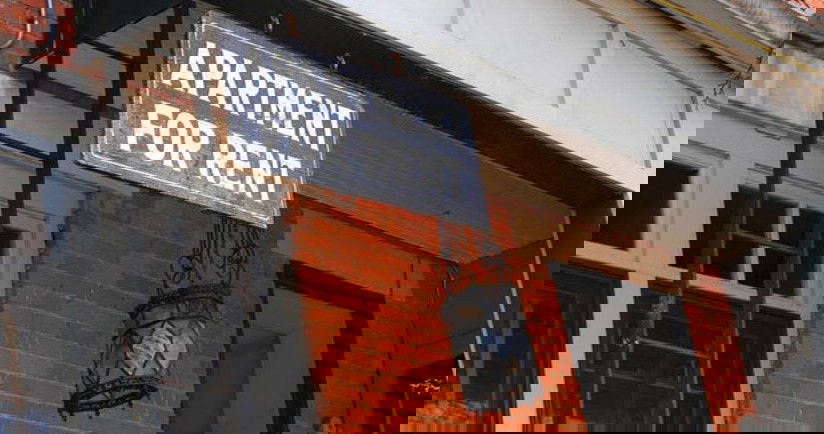
Renting an apartment on your own is almost impossible if you don’t have some kind of established credit. When you sign a lease, you agree to pay a fixed amount over a period of time. If you fail to pay, the landlord may end up losing a lot of money. This is especially true if your state has a lengthy eviction process.
Your credit score is a reflection of your ability to make timely payments. So, landlords will usually check your credit history as part of the application process.
Ready to Fix Your Credit? Start Here.
Answer a few simple questions and get a free step-by-step plan to rebuild your credit.

You may also have to pay an additional security deposit based on your credit score. With a bad credit score, you might end up paying hundreds more. You might also be required to pay both the first and last month’s rent in addition to the security deposit.
There are ways to improve your chances of getting an apartment even with a limited credit history. And it doesn’t have to include paying more money.
If you’ve already rented an apartment before, ask your old landlord for a letter of reference. You could also volunteer to sign a longer lease. This helps your future landlord cut down on vacancies and lost time and money while trying to fill them.
3. Buying a House
Purchasing a home is one of the most significant transactions that people make in their lifetime. A good credit score is vital to obtain favorable terms while securing a mortgage. Mortgage lenders use credit scores to evaluate the risk of lending money to potential borrowers. A higher credit score signifies lower risk and may translate into a lower interest rate and monthly payment.
However, a low credit score does not mean you cannot qualify for a mortgage. You may still be eligible for a mortgage, but you will likely have a higher interest rate and less favorable terms. In some cases, you might have to use a co-signer or make a larger down payment.
Keep in mind that your credit score is not the only factor lenders consider when evaluating your mortgage application. Lenders also examine your employment history, income, and debt-to-income ratio.
4. Setting Up Utilities
Utilities like cable, electricity, phone, and water are short-term loans as you use them before paying. Utility companies run credit checks for new services to ensure payment. In fact, not paying your utilities on time can result in damage to your credit scores.
While basic services such as electricity and water usually have to take any customers, they can generally collect a deposit. Customers with good credit may not have to make a deposit. But, those with poor credit often need a deposit worth several months of services.
Utility companies use a Utility Score, which prioritizes utility payment history, regardless of traditional credit. For first-time sign-ups, opening accounts with cosigners can help avoid deposit requirements.
5. Getting Insurance
Your insurance company cares about your FICO credit scores for two reasons. First, if you select installment payments, they want to make sure you will pay on time.
More importantly, insurance companies have found over time that those with bad credit are more likely to file a claim. This presents a higher risk to the insurance company.
Bad credit also tends to be correlated with lower income and savings. People with less available cash often file smaller claims that people with more cash available would usually pay out of pocket. Expect a tougher time getting approved and higher rates if you have low credit scores.
Unfortunately, this is true of most types of insurance, including auto, renters, and homeowners. It’s also worth noting that insurance companies keep close track of your claims history as well. The more claims and even inquiries you have on record, the higher premiums you can expect to pay in the future.
6. Buying a Car
When it comes to purchasing a car, your credit scores can have a significant impact on the process. If you plan to finance the car, a good credit score can help you get approved for a loan with favorable terms and lower interest rates. Conversely, a bad credit score can make it more difficult to get approved for a loan, and you may end up paying higher interest rates or even be denied financing altogether.
Having a high credit score can also give you more negotiating power when buying a car. You may be able to negotiate a lower price or better financing terms based on your creditworthiness. Additionally, some car dealerships may require a credit check before allowing you to test drive a vehicle or even enter into negotiations.
7. Applying for a Credit Card
Applying for a credit card is another area where your credit scores can have a significant impact. A good credit score can increase your chances of being approved for a credit card with a high credit limit and favorable terms, such as low interest rates and generous rewards programs.
On the other hand, a poor credit score can make it difficult to get approved for a credit card, and you may end up with a low credit limit and high interest rates. In some cases, you may even be required to get a secured credit card, which requires a deposit upfront to secure the credit line.
Applying for multiple credit cards at once can also negatively impact your credit scores. Each application results in a hard inquiry on your credit report, which can lower your credit score slightly. So, it’s best to only apply for credit cards that you actually need and to space out applications over time.
8. Applying for a Job
As college degrees become more common, credit checks are now used to screen job applicants. Previously, this practice was limited to sensitive positions in finance and national security. However, now credit checks are becoming common in many jobs.
People with poor credit may be perceived as being easily distracted by personal stress, potentially interfering with their job performance.
While a potential employer won’t be able to see your credit score, they can still examine your credit history, regardless of whether these perceptions are accurate or not. If you have limited credit history, consider writing a letter of explanation. This can clarify that your credit is limited by choice, not poor decision-making. If you have bad credit, a supplemental letter can help explain any relevant circumstances.
9. Starting a Business
If you’re thinking about starting a business, your credit score can play a role in securing financing and attracting investors. Many lenders and investors will look at your personal credit score as a way to assess your creditworthiness and evaluate the risk of investing in your business.
Having a good credit score can make it easier to secure a business loan or line of credit with favorable terms. It can also help you attract investors who are looking for businesses with a strong financial foundation.
In contrast, a poor credit score can make it more difficult to secure financing and attract investors. You may be forced to rely on personal savings or high-interest loans, which can put your personal finances at risk. Additionally, investors may be wary of investing in a business with a founder who has a history of financial problems.
How to Manage Your Credit Responsibly
Managing credit responsibly is an essential part of personal finance. It requires developing good financial habits that enable you to maintain a good credit score while minimizing your debt. Here are some tips on how to manage credit responsibly.
1. Pay Your Bills on Time
Paying your bills on time is one of the most crucial aspects of managing credit responsibly. Late payments can significantly impact your credit score and can make it difficult to obtain credit in the future. Set up automatic payments or reminders to ensure you pay your bills on time.
2. Keep Your Credit Utilization Low
Credit utilization is the amount of credit you use compared to your credit limit. It is essential to keep your credit utilization low, ideally below 30%. High credit utilization can negatively impact your credit score, making it difficult to obtain credit in the future. Consider paying off your balance in full each month to keep your credit utilization low.
3. Monitor Your Credit Score
It’s important to regularly monitor your credit score to ensure there are no errors or fraudulent activities on your credit report. You can request a copy of your free credit report from each of the three major credit bureaus once every 12 months. Additionally, many credit card companies now offer free credit score monitoring, making it easy to track your credit score.
4. Avoid Opening Too Many Credit Accounts
While it’s important to have a healthy mix of credit accounts, it’s equally important not to have too many. Too many credit accounts can negatively impact your credit score and make it difficult to obtain credit in the future. For this reason, you should only consider opening a new credit account when necessary.
5. Use Credit for Necessities Only
Using credit for necessities, such as a home or a car, can be an excellent way to establish a positive credit history. However, it’s essential not to overextend yourself and use credit for luxury items or non-necessities. Doing so can lead to high levels of debt, making it difficult to manage your credit responsibly.
6. Have an Emergency Fund
Having an emergency fund is critical to managing credit responsibly. Unexpected expenses, such as medical bills or car repairs, can quickly lead to high levels of debt if you don’t have an emergency fund. Aim to have at least three to six months’ worth of living expenses saved in an emergency fund to help you avoid relying on credit for emergencies.
7. Consider Working with a Credit Counselor
If you’re struggling to manage your credit responsibly, consider working with a credit counselor. Credit counselors can help you develop a budget, negotiate with creditors, and establish a debt management plan. Just be sure to work with a reputable credit counseling agency that has a track record of success.
You may also want to consider working with a trusted credit repair company if you have negative items on your credit report. Companies like Credit Saint have helped millions of people update and remove negative items from their credit reports.
Final Thoughts
Your credit score reflects how you handle financial obligations and plays a role in many everyday decisions. It affects housing approvals, insurance costs, utility deposits, job screenings, and access to financial products, even if you never plan to borrow money.
When you pay bills on time, keep balances low, and review your credit report regularly, you protect your credit score and limit unnecessary costs. Strong credit habits lead to more options, fewer obstacles, and lower expenses over time. Building and maintaining good credit is one of the simplest ways to keep future decisions working in your favor.