Textbooks are brutal on a college budget. A single semester can cost students $300 or more in books alone, and most of those books will sit on a shelf collecting dust once finals are over. The positive development? You can get a chunk of that money back.
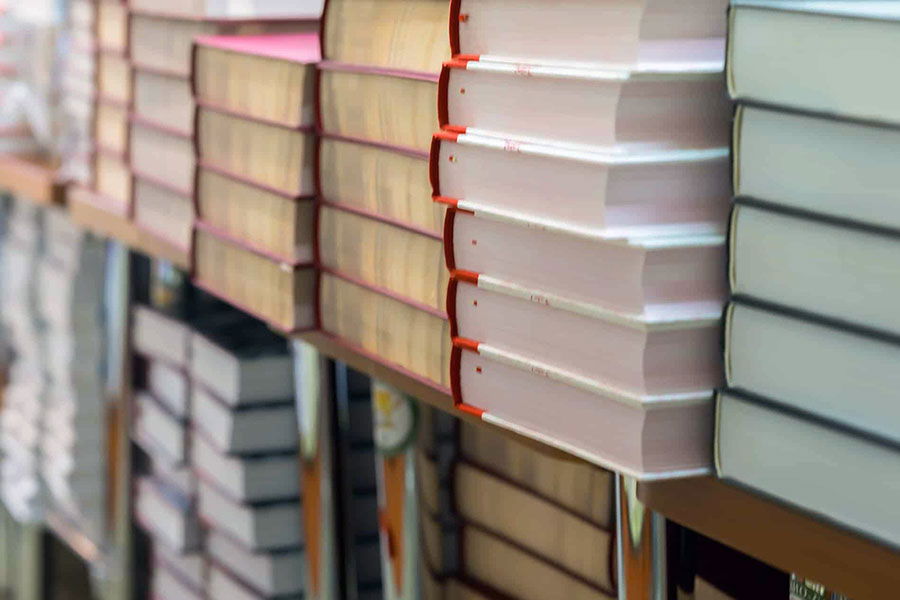
There are more options for selling used textbooks than ever, from dedicated buyback sites that give you an instant quote to marketplaces where you set your own price. This guide breaks down the 10 best platforms for getting real money for your books, what each one pays, and a few tips to make sure you don’t leave cash on the table.
10 Best Platforms for Selling Textbooks Online
These platforms cover a wide range of sellers, from students offloading a handful of books to anyone who wants to maximize returns by comparing offers across multiple buyers.
1. BookScouter

BookScouter is a price comparison tool, not a single buyer. You enter your book’s ISBN and BookScouter pulls offers from more than 30 vendors at once.
Each vendor is listed with a rating from other sellers, so you can choose the highest offer from a buyer you can trust.
Shipping is free no matter which vendor you choose, and many vendors pay the same day your books arrive. If you only have time to check one site before selling, make it BookScouter.
2. BookFinder

BookFinder works similarly to BookScouter in that it aggregates offers from multiple buyers, including Amazon Marketplace listings and BooksRun.
You enter the ISBN, compare offers, and ship to whichever buyer wins with a free prepaid label.
The vendor pool is somewhat smaller than BookScouter’s, so it’s worth checking both. But if BookFinder surfaces a higher offer, it’s just as easy to use and just as free to ship.
3. BooksRun

BooksRun lets you sell directly to the platform or compare offers from other vendors in the same interface.
Once you search your ISBN, you’ll see multiple quotes side by side. After accepting an offer, you have five days to ship the books using the prepaid label provided.
Payment arrives within four business days of BooksRun receiving and processing the books, with options for PayPal or check. It strikes a good balance between the speed of a direct buyback and the value of comparing prices.
4. Decluttr

Decluttr stands out for its simplicity. After downloading the app, you scan each book’s barcode and get a price within minutes.
Once you accept the offer, you print a free mailing label and ship the books in. Payment arrives after Decluttr receives and inspects the books.
One thing to know: Decluttr reserves the right to adjust your payout if the condition doesn’t match what you described.
That said, there’s no fee to use the service, and shipping is always free, making it one of the most straightforward options on this list.
5. TextbookRush

TextbookRush is available both on the web and as a mobile app, and it offers one feature that sets it apart: if you choose store credit instead of cash, you get an additional 5% on top of the quoted price.
For students who will need to buy books next semester anyway, that’s a practical way to stretch the return.
Once you accept an offer, you print a prepaid label and have up to 20 days to mail the books in. Payment arrives within a few business days of the books being received.
6. FacultyBooks

FacultyBooks is one of the few platforms that specifically buys instructor editions and complimentary copies in addition to standard college textbooks.
You enter the ISBN on their site, review the quote, and if you accept, they ship you free boxes and packing materials so you don’t have to supply your own.
Payment goes out via check, PayPal, or direct deposit after the books are received. It’s a solid pick if you have textbooks that other sites won’t touch, like instructor or annotated editions.
7. World of Books
World of Books offers a straightforward buyback process with one standout perk: they cover PayPal fees so you receive your full quoted amount. You search for your book, get a quote, and ship for free.
Most payments are issued within 13 days of mailing, though sellers on the West Coast often see funds arrive faster. It’s a no-frills option, but the fee coverage on PayPal payments is a genuine advantage.
8. eCampus

eCampus takes a different approach by letting you list books and set your own price rather than accepting a fixed buyback offer.
That flexibility means you can aim for more than a standard buyback quote, though it takes longer than instant-offer sites.
The tradeoff is a 15% commission on every sale, and you cover part of the shipping costs. If you have a high-demand textbook and the patience to wait for a buyer, eCampus can outperform most buyback platforms.
9. Valore
Valore operates much like other buyback platforms, but consistently offers competitive quotes compared to many direct buyers. You search by ISBN, accept or decline the offer, and mail your books in using a free prepaid label.
There’s a $15 minimum order requirement, which means you’ll need at least a few books to qualify. Payment goes out by check or PayPal once the books are received and processed.
10. Facebook Marketplace

Facebook Marketplace is the best option when you want to skip shipping entirely. You create a listing with photos and details including the title, edition, and ISBN, and then connect with local buyers directly. Transactions happen in person, so payment is immediate and there are no fees.
The catch is that you’re limited to your local area, and you’ll spend more time coordinating meetups than you would with a mail-in service.
It works best for popular textbooks tied to local colleges or universities where there’s a ready pool of buyers nearby.
How the Top Textbook Selling Sites Compare
Before committing to any single platform, it helps to see how the key details stack up side by side.
| Platform | Payment Options | Payment Speed | Fees | Notable Condition |
|---|---|---|---|---|
| BookScouter | PayPal, Check | Same day upon receipt | None | Must ship within vendor’s timeframe |
| BookFinder | Cash, PayPal, Check | Varies by vendor | None | Smaller vendor pool than BookScouter |
| BooksRun | PayPal, Check | 4 business days | None | Must ship within 5 days of offer |
| Decluttr | Cash, PayPal | 5-7 business days | None | Condition must match description |
| TextbookRush | Cash, Store Credit | 3-5 business days | None | +5% bonus for store credit |
| FacultyBooks | PayPal, Check, Direct Deposit | 3-5 business days | None | Accepts instructor editions |
| World of Books | Check, PayPal | ~13 business days | None | Covers PayPal fees |
| eCampus | Cash, Store Credit | 5-7 business days | 15% commission | Sellers set own prices |
| Valore | Check, PayPal | 5-10 business days | None | $15 minimum order |
| Facebook Marketplace | Cash (in person) | Immediate | None | Local buyers only |
Tips for Getting the Most Money for Your Textbooks
A little planning goes a long way when it comes to selling used textbooks. These strategies can make a meaningful difference in what you actually pocket.
- Timing: Sell right after the semester ends, not months later. Demand peaks when incoming students are searching for books for the next term, and that’s when buyback prices are highest.
- Condition: Remove loose papers, erase pencil marks, and limit visible highlighting. Books in better condition get better offers across every platform.
- Listings: When selling on marketplaces like eCampus or Facebook Marketplace, include the edition number, ISBN, and any bundled materials like access codes or CDs. Clear photos of the cover and any wear help close deals faster.
- Comparisons: Use BookScouter or BookFinder before committing to any platform. Even a few minutes of comparing offers can add real money to your return.
- Bundles: If you’re selling multiple books, check whether any platform offers better terms for bulk orders. It can also simplify shipping.
- Negotiation: When selling directly to another student, stay open to a reasonable counteroffer. A slightly lower price today is better than holding the book for months.
Bottom Line
Selling your used textbooks is one of the easiest ways to recover part of what you spent on them. Most of the platforms on this list make the process fast and free to ship, so there’s no real reason to let old books sit and lose value.
Your best move is to check BookScouter or BookFinder first to see who’s offering the most, then use a direct platform like BooksRun or Decluttr if you want a quick, no-hassle transaction. And whatever you decide, don’t wait. Textbook buyback prices drop as time passes, and older editions eventually become unsellable. Sell while demand is still there.
Frequently Asked Questions
Which platform is best for selling older textbooks?
BookScouter and BookFinder are the strongest starting points for older books because they connect you with multiple vendors at once, increasing the odds that at least one will make an offer.
If no vendor bites, TextbookRush and Decluttr are worth checking. Keep in mind that books more than a few editions out of date often have little to no buyback value, so the sooner you sell after a course ends, the better.
How do platform fees impact my earnings?
Most platforms on this list charge no direct fees when you sell through their buyback program. The main exception is eCampus, which takes a 15% commission on each sale. If you go that route, factor the commission into your price before listing.
Platforms without fees often use fixed buyback pricing, which can be lower than what you’d earn setting your own price on a marketplace, so it’s worth running both scenarios before deciding.
Does Amazon still buy textbooks?
No. Amazon shut down its textbook buyback program in 2020. You can still sell books through the Amazon Marketplace as a third-party seller, but there is no trade-in or buyback program for textbooks. For direct buyback, the platforms on this list are your best alternatives.
Can I sell or trade in digital textbooks and access codes?
Most platforms on this list only accept physical textbooks. Reselling digital textbooks and access codes is limited by publisher licensing restrictions, and most buyback sites don’t accept them.
Some peer-to-peer student marketplaces or campus boards may allow code exchanges, but availability varies and demand can be unpredictable.
What is the best time to sell my textbooks?
The best windows are right after the spring and fall semesters end. That’s when incoming students are actively shopping for books and buyback demand is highest. Selling in January or August, just before semesters begin, can also work well.
Avoid trying to sell in the middle of a semester or over summer break if the book isn’t relevant to summer coursework. Buyback prices tend to drop significantly when demand is low.